InsightsDesign for AllInterview
What does Design for All mean in everyday design practice?
Design for All in design practice: an interview with Francesco Rodighiero
Seven questions put to Francesco Rodighiero in June 2021: what Design for All means, how it translates into a product, where accessible design is heading. The answers are reproduced as given at the time; updates, from the Prime washbasin to the Shine washbasin, are collected at the end.
· updated 5 min read

In June 2021 Francesco Rodighiero answered seven questions on Design for All: what it means, how it translates into a product, where accessible design is heading. He has been president of Design for All Italia since 2020. The answers are reproduced as given at the time; updates are collected at the end, separately from the text. For the full definition in the Stockholm Declaration, see our page on Design for All.
1. What do you mean by Design for All?
The 2004 Stockholm Declaration (opens in a new tab) leaves no room for misunderstanding, defining Design for All as “[…] design for human diversity, social inclusion and equality. […]”. On a more personal level, I use the principles of DfA so that products for people with disabilities receive the same care as products in the mainstream world of design.
EIDD Stockholm Declaration, 2004Stockholm 2004
2. How do you design a product following the principles of Design for All?
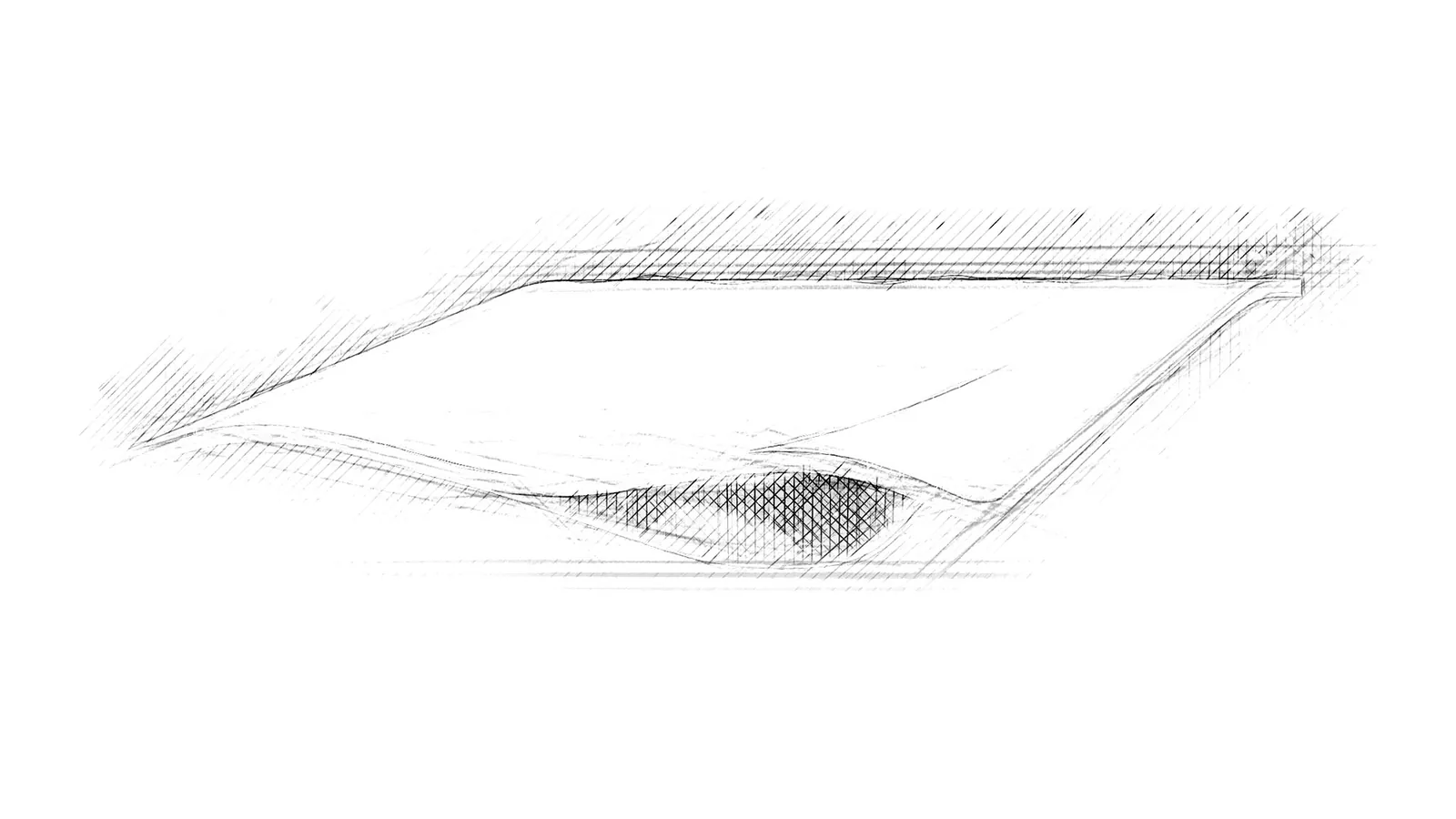
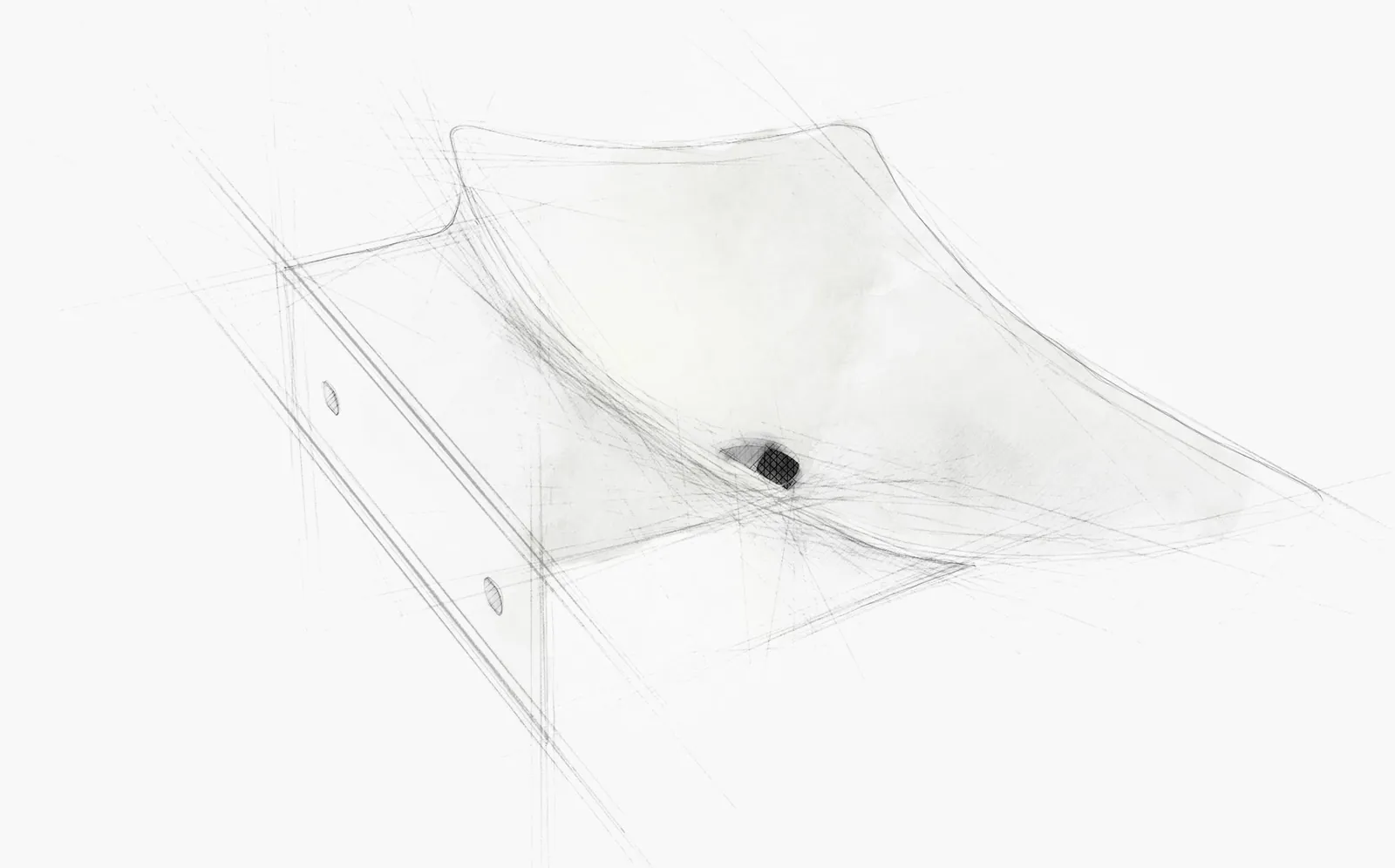
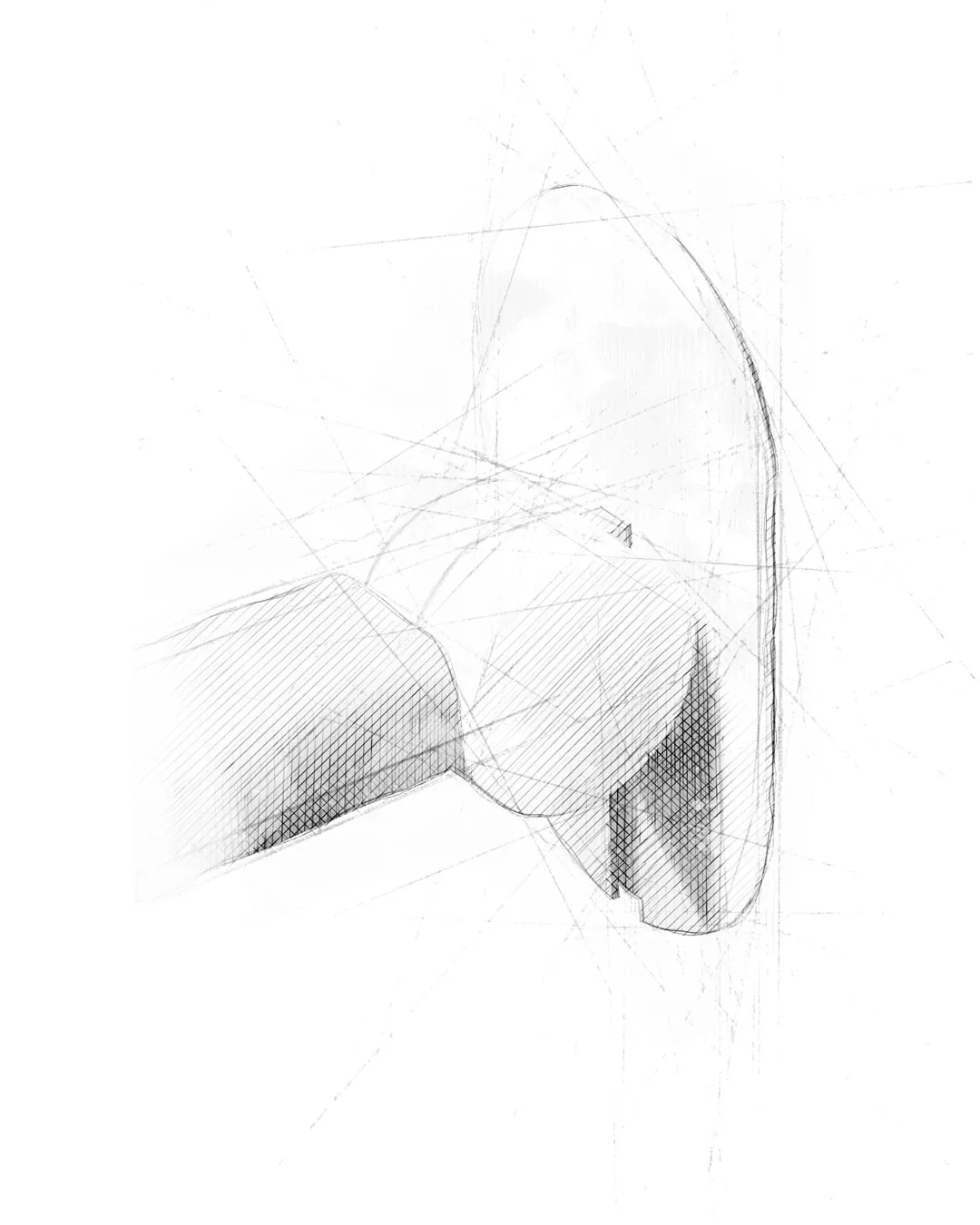
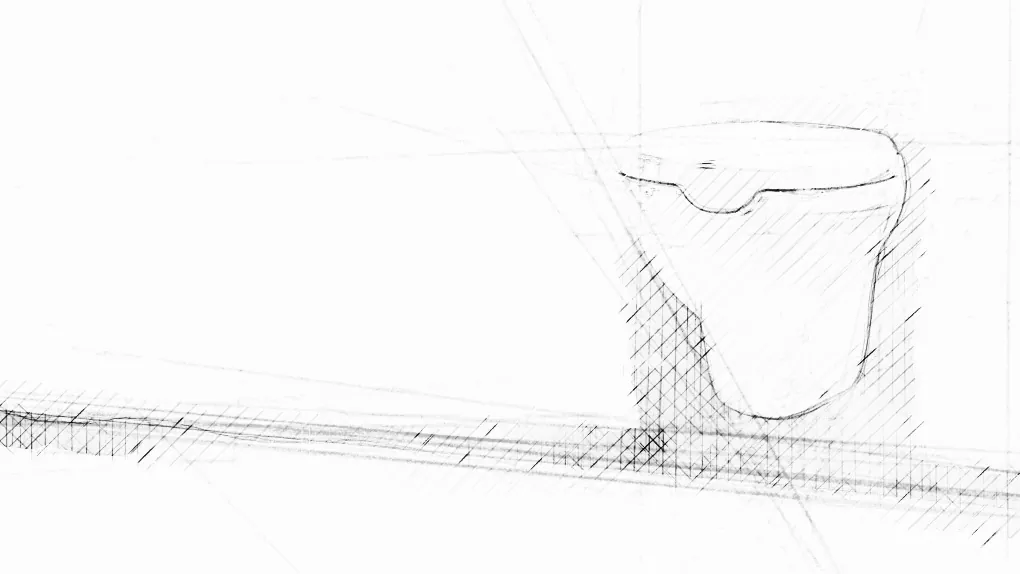
Projects always start with observation and research and, above all, with what the client asks for. Design for All helps me pay close attention to the widest possible range of users: conventional design all too often works in the abstract, around a ‘standard person’. But the standard person doesn’t exist: what you actually have is a complex mix of different abilities, sometimes disabilities, and above all desires and aspirations.


3. Do you also work with other professionals?
At the Rodighiero.Design (opens in a new tab) studio I’m lucky enough to have a father who is an engineer and helps me with some technical solutions: to meet the standards, products for people with disabilities have to bear loads of several hundred kilograms, with all the stresses and strains that involves. And I have a brother who is an architect and helps me consider products and place them in refined, contemporary interiors. I consider myself fortunate.
4. How has “barrier-free” design evolved over the years?
Certainly over the last twenty years much more attention has been paid to architectural barriers, even though removing them solves only part of the ‘problem’. Making a museum accessible doesn’t mean making the exhibition accessible to everyone. Just think of people who are blind or partially sighted: they can enter without obstacles and still have no access to any of the works. In this sense it’s better to take an inclusive approach such as DfA and make the removal of architectural barriers one subset of the design process.
5. Are you satisfied with how design has evolved?
Yes – if I also saw great designers and starchitects designing inclusively…
6. In your view, which aspects deserve the most attention in the future?
Population ageing and longevity are factors that simply cannot be ignored. And today’s older people don’t want to feel old: they’re online and technologically literate thanks to mobile devices. In this context, people’s dignity will matter more and more. We can no longer afford to design aids that feel like hospital equipment or, more generally, to put products on the market that are hard to understand and use.
7. What do you think of Goman’s vision of Design for All? Do you have new projects in the pipeline?
Extremely admirable. Very few companies take the risk of launching innovative, inclusive products which, in their sector, can seem disruptive and unusual. It takes courage and determination. Building on Prime’s good sales and the recognition it has received, we’re taking the opportunity to develop a new project with their R&D department, drawing on what we’ve learnt from these recent successes.
Updates, October 2026
Francesco Rodighiero is art director at Goman. The Prime countertop washbasin, developed with Goman, is the example the first answer refers to: it complies with current regulations and respects people’s dignity, without looking like an aid; it has received the Design for All Quality Mark. The “new project” announced in answer 7 has become the Shine washbasin.
On ageing, the subject of the sixth answer: on 1 January 2025 people aged 65 and over made up 22.0% of the population of the European Union and 24.7% of the population of Italy, the highest share among the Member States (Eurostat (opens in a new tab), data extracted in February 2026). The full data are on our page on ageing and disability in Europe.
The working phases described in the second answer are illustrated on the page on the Design for All process; the studio’s work is now organised into Design for All services and Design for All and Inclusive Design consultancy for companies, public bodies and designers.
In our projects
Read next
- News and eventsDesign for All Process: the Florence event of 17 October 2026What did the Design for All Process event in Florence bring together?
- InterviewInclusive design: the Design for All approach on Radio Canale ItaliaWhat is inclusive design, as explained on the radio?
- InterviewFrancesco Rodighiero on Rai Radio 3: Design for All at the heart of the cultural debateWhy is Design for All a cultural issue, not only a technical one?
From product to process
If your company is developing products for a wider range of users, we can work with you from design through to testing with the people who’ll use them.