Design for All Italia
Applied research with businesses
Applied research, inclusion, innovation for the future
A selection of projects carried out in collaboration with the Design for All Italia association, involving stakeholders, users, universities and design studios.
The projects follow an evidence-based approach, combining Co-Design, analysis of needs and requirements, and validation, with the aim of defining scalable solutions in design, retail, technology and communication.
We have contributed to the development of spaces, products and interactive systems aimed at improving usability and the user experience in complex settings, with a particular focus on inclusive design (Design for All) as a tool for innovation.
We will add further significant case studies to this page over time, each representative of a structured and transferable working process.
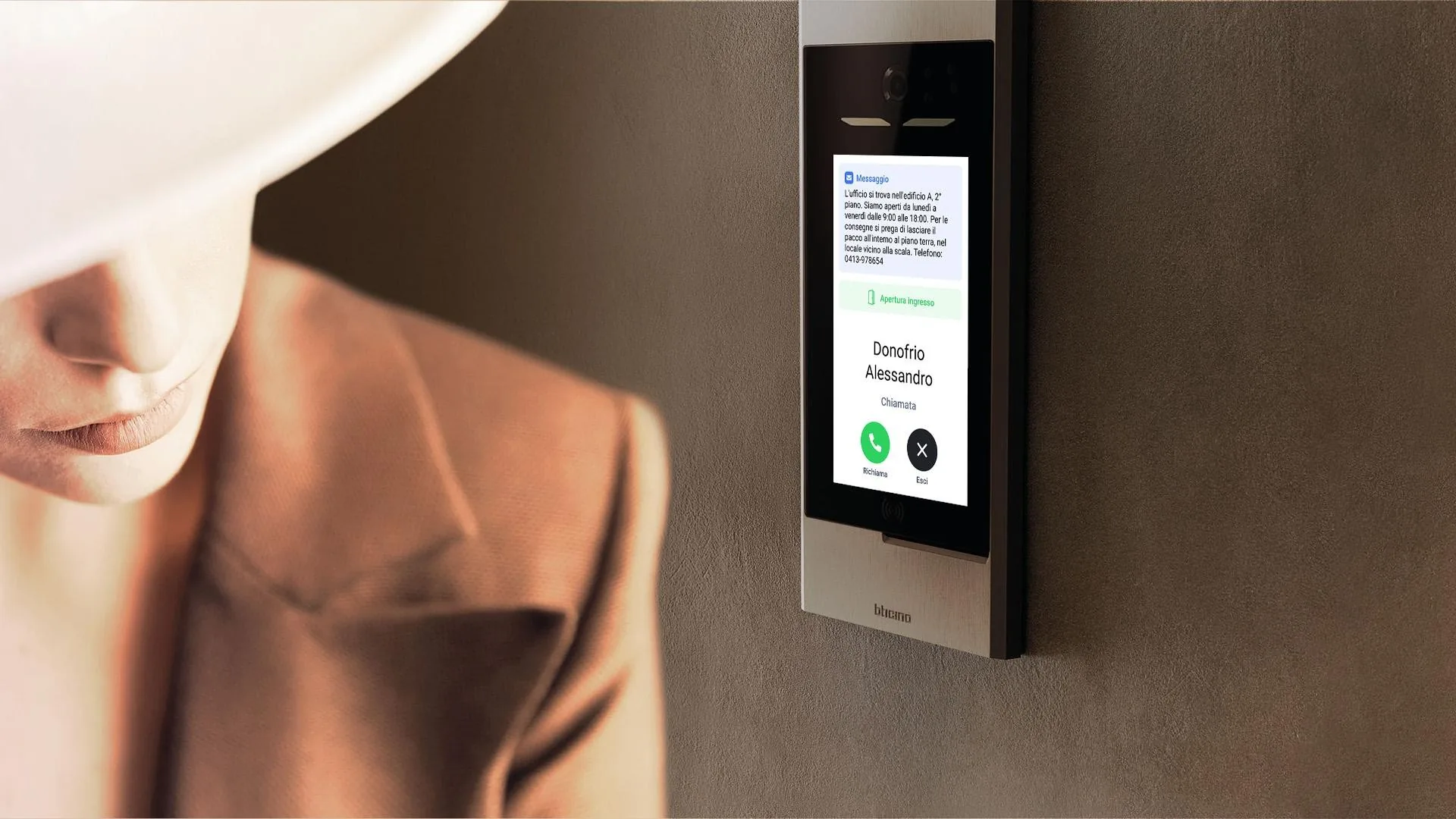
BTicino Linea 5000
Partners: Consorzio Futuro in Ricerca, Design for All Italia.
Field: door-entry devices and systems.
Research and analysis for a new outdoor door-entry unit, designed to ensure physical, cognitive and multisensory accessibility in residential and communal settings.
The work combined user research, observation of use, prototype testing, iterative Co-Design and concept development, involving people with different profiles (older people, children, people with motor and sensory disabilities).
The UX and UI analysis focused on simpler ergonomics, adaptive feedback and multiple ways of accessing functions, and has become a reference point for applying the Design for All approach to smart access systems.

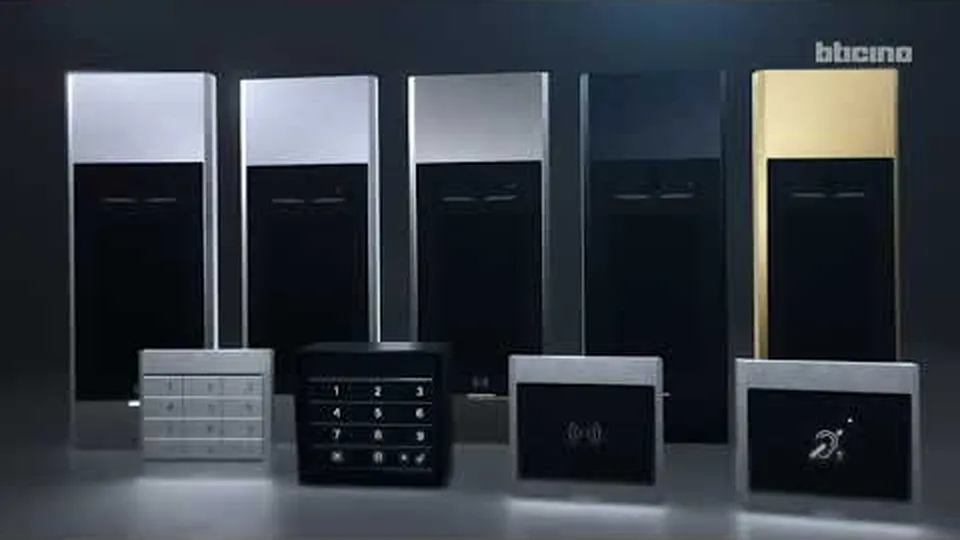
BTicino Linea 5000 with Netatmo
Video of BTicino Linea 5000 with Netatmo: the outdoor video door-entry panel.
Design contribution and impact
Analysis, testing and Co-Design to support the design of a truly accessible entrance system.
- Needs analysis and direct feedback. Mapping of needs through Co-Design workshops, observation and usability testing with older people, children and people with motor and sensory disabilities.
- Observation of interaction with working prototypes. Study of behaviour in real-life use to identify barriers, errors and operational problems.
- Development and validation of multisensory interfaces. Definition of possible accessible solutions and structured guidance for implementing an inclusive system suited to a wide range of people.
- Ergonomic optimisation and lower cognitive demand. Analysis of an interface that reduces cognitive load and the likelihood of barriers, while building in tolerance for error.
- Final technical report. Summary of the results and design recommendations to guide the future development of the product.
The recommendations developed in the Co-Design process contributed to the definition of the new BTicino Linea 5000 door-entry system, now recognised internationally with an iF Design Award (opens in a new tab). It is now a reference model for integrating Design for All into smart entrance systems.
Esselunga Lab. Inclusive, multisensory retail
Partners: Studio Total Tool, Design for All Italia.
Field: accessibility in retail and food settings.
Esselunga Lab is an experimental space within MIND – Milano Innovation District, designed to test new retail solutions by integrating advanced technologies, automated payment systems, sustainable furnishings and accessible spaces. Our contribution covered the qualitative and quantitative analysis of the user experience, directly involving actual users (including people with disabilities) and stakeholders, and led to a technical report supporting the inclusive design of the space.
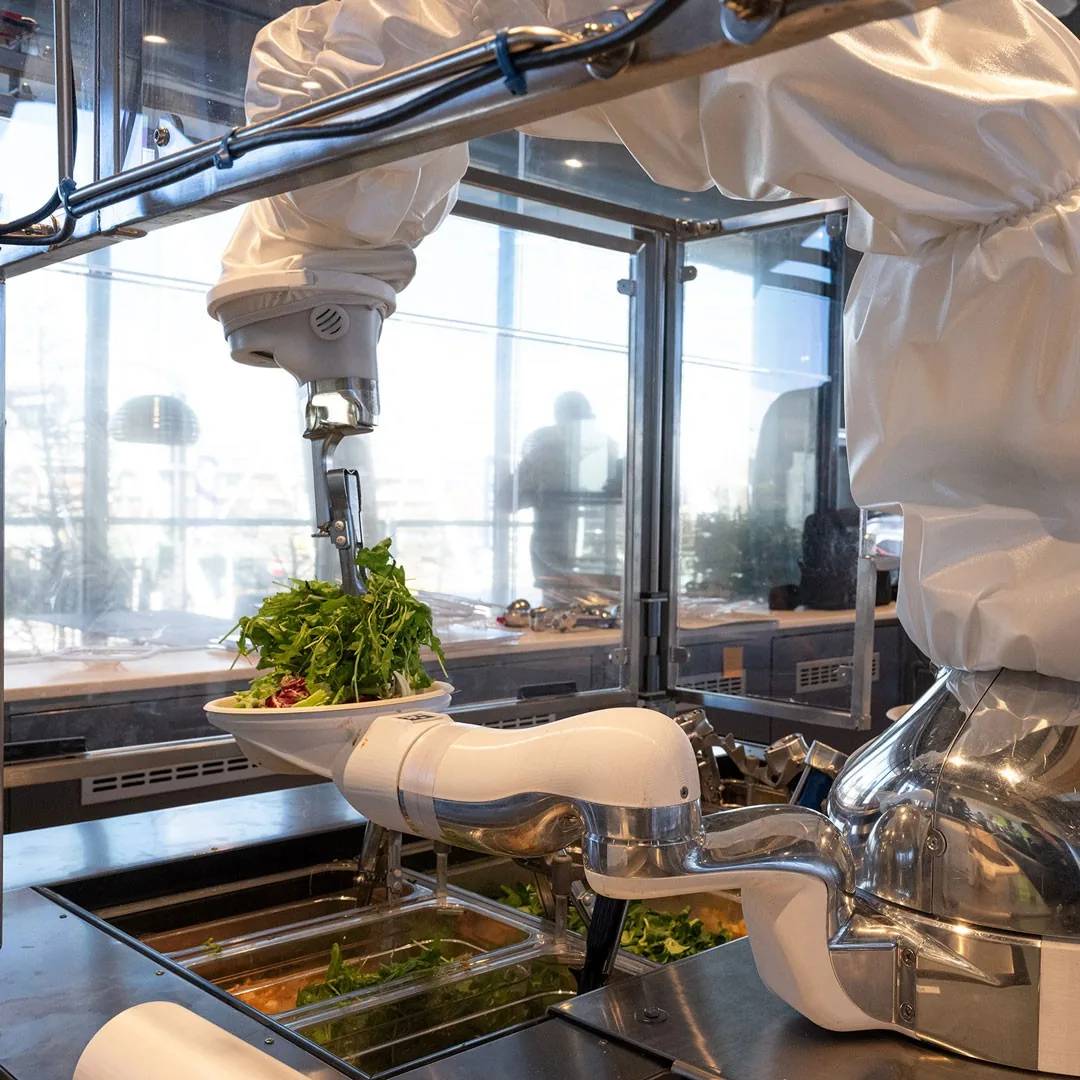
Esselunga Lab at MIND – Milano Innovation District
Video of Esselunga Lab at MIND – Milano Innovation District: the space, the store’s technologies and the people moving through it.
Understanding innovation, designing inclusion
Co-Design and analysis of use to make emerging technologies understandable, accessible and comfortable.
- Mapping usability issues in new technological environments. Study of how people interact within the retail space: digital entry and payment systems, wayfinding and information, independent use of the food areas.
- Running Co-Design workshops with users and stakeholders. Active involvement of people with different profiles (age, ability, digital familiarity) to gather needs, perceived problems and strategies for making the experience easier.
- Analysis of cognitive and sensory comfort. Assessment of the clarity of communication, the legibility of information displays and the understandability of operational flows and interfaces, in order to minimise the stress that new technology can cause.
- Identifying invisible barriers and opportunities for improvement. Bringing to light potential sources of exclusion linked to the use of advanced technologies (for example computer vision, self-checkout, cobots), and proposing inclusive, adaptive and scalable solutions.
- Technical report with meta-design solutions. Summary of the evidence gathered, with meta-design solutions (guidance that sets the framework for later projects) for the progressive implementation of accessible systems and furnishings, consistent with the format’s innovation and sustainability goals.
Co-Design is not creative facilitation, but design work.
Co-Design as professional practice: process, data, experience
Running Co-Design workshops means setting in motion a complex process, based on structured procedures, interdisciplinary skills and advanced analytical tools. It is not creative facilitation, but a design activity that requires rigour, empathy and responsibility.
Over recent years, the studio has coordinated dozens of structured programmes, bringing together stakeholders, end users, people with disabilities and technical leads in iterative sessions of analysis and inclusive design. Each cycle is documented, analysed and directed towards producing evidence that can be used in the detailed design.
We use digital platforms to collect and process data, together with clustering systems and qualitative analysis grids. Co-Design is a technical tool of inclusive design, founded on responsibility, traceability and transferability.
Participatory design: Francesco Rodighiero in Il Bagno Oggi e Domani
+350
participants involved in person and remotely
+800
needs collected, cross-referenced and classified by area and category
+100
meta-design solutions validated, many already implemented
The Design for All process as a design and strategic lever
These experiences are the outcome of a rigorous, collaborative process in which analysis, Co-Design and a systemic vision guided every design choice. It means translating complexity into accessible solutions that can generate measurable benefits and turn innovation into perceived value.
The ROI of accessibility: the business case for Design for All
Would you like to test a product or a space with the people who will use it?
Co-Design workshops, user trials and a technical report: people’s needs become guidance for designers.