Design for All services: strategic application and design opportunities
Design for All is an approach for developing accessible, innovative and sustainable solutions, based on research, advanced design and testing with people. It is not only an inclusive vision of design, but a process that brings together the analysis of real needs, Co-Design and implementation strategies to improve the comfort, usability and efficiency of products, spaces and services.
The processOur areas of work
Product design
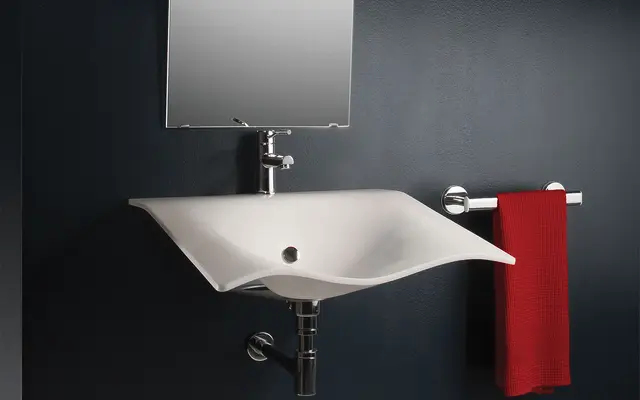
Everyday objects, furniture and components that are accessible and desirable, from the first idea to development for production.
Inclusive spaces
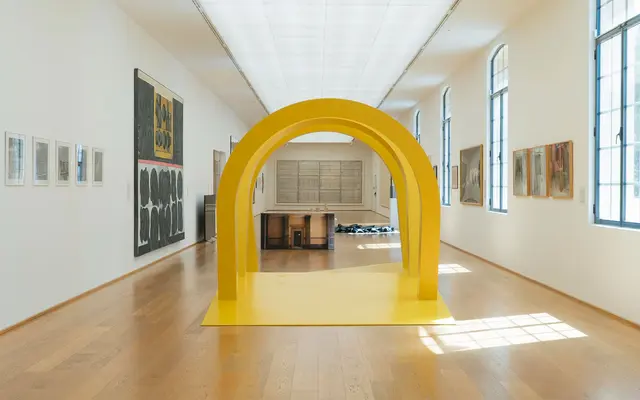
Places for living, working, hospitality and learning, designed to support wayfinding, independence and comfort.
Systems and collections
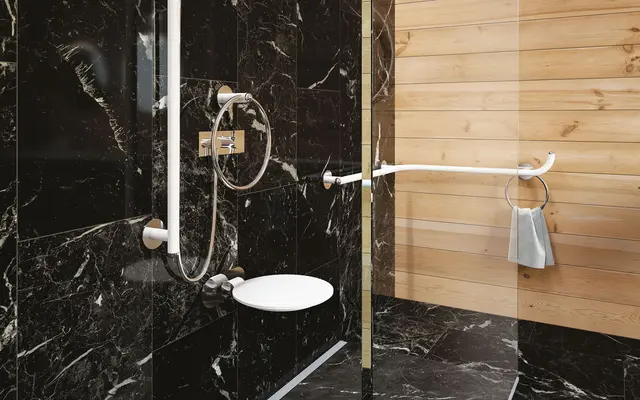
Coordinated products with a shared design language, bringing Design for All into the choices behind an entire range.
Consultancy and training
Strategies, guidance, workshops, Co-Design and training to integrate inclusive design into the projects of companies and organisations.

Case studies
- OpenCo-Design
- DemìCo-Design · Design for All
- GiottoDesign for All
- ShadeDesign for All
- FlightCo-Design · Design for All
- PrimeCo-Design · Design for All
- ShineDesign for All
- FlatDesign for All
- DfA ItaliaCo-Design · Design for All
- Accessible museumsCo-Design · Design for All
- HackabilityCo-Design
- SherlockCo-Design · Design for All