InsightsDesign for AllEssay
How does ergonomics relate to Design for All?
On ergonomics: from holistic ergonomics to Design for All
Ergonomics studies the interactions between people and the other elements of a system; Design for All inherits its rigour and asks what a solution says about the person who uses it. The IEA definition, Luigi Bandini Buti’s holistic ergonomics and the case of safety grab rails.
· updated 6 min read
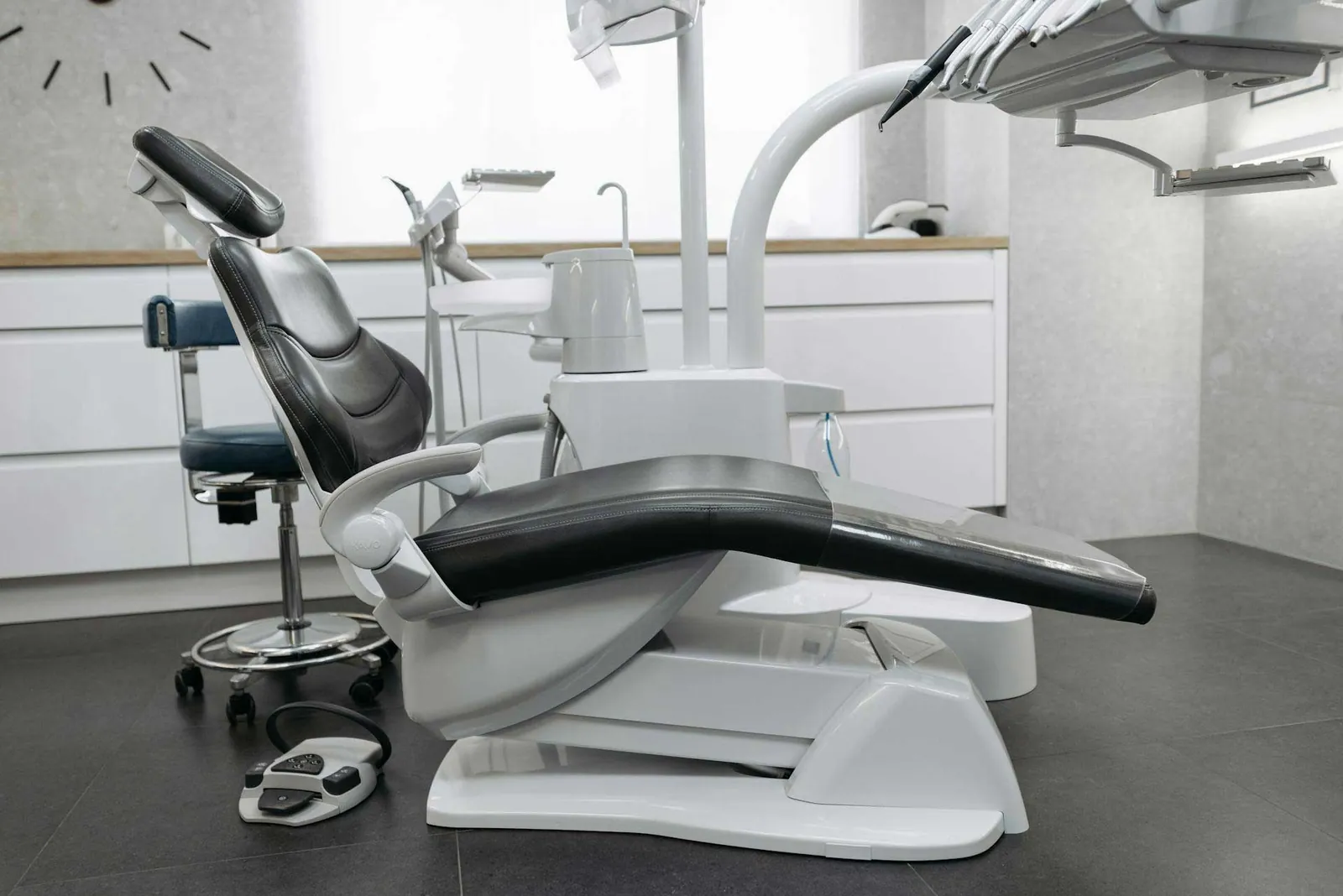
According to the definition adopted by the International Ergonomics Association in 2000 (opens in a new tab), ergonomics is “the scientific discipline concerned with the understanding of interactions among humans and other elements of a system”, and the profession that applies theory, principles, data and methods to design in order to optimise human well-being and overall system performance. Design for All inherits its rigour and shifts the question: beyond how a solution fits people and tasks, it asks what the solution means to the person using it – whether they would choose it, whether they would show it, whether it makes them feel like a patient or like a person.
What ergonomics is
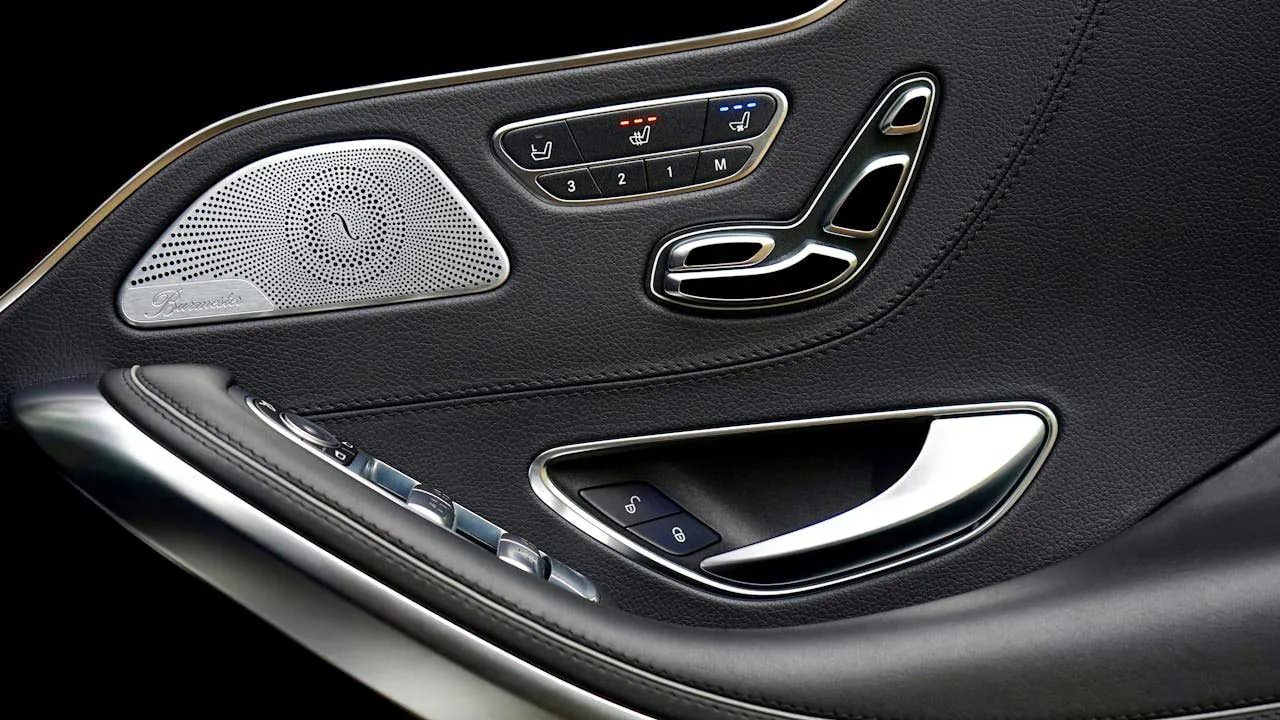
Contemporary ergonomics aims, above all, to optimise the interaction between people and systems, promoting individual well-being and the overall efficiency of the system. It works through detailed analysis and careful design of workplaces, equipment and user interfaces, taking a systemic view that covers physical, cognitive and organisational factors.
Ergonomics also reaches beyond the workplace into home life and leisure, with clear implications for the design of household appliances, furniture, tools and digital devices. In every setting the aim is the same: to match the technical and functional characteristics of the systems people use to their physical and cognitive needs, putting health, safety and effective interaction first.
Luigi Bandini Buti’s holistic ergonomics
There is also an evolution of contemporary ergonomics, described as holistic (opens in a new tab), outlined by Luigi Bandini Buti – architect and former president of SIE, the Italian Ergonomics Society, and of ADI, the Italian Association for Industrial Design – in his book Ergonomia olistica. Il progetto per la variabilità umana (FrancoAngeli, 2008) [‘Holistic ergonomics: design for human variability’]. It builds on the paradigm of holism, which holds that reductionist analysis is not enough to understand the dynamics of a system as a whole. According to this theory, the emergent properties of a system cannot be deduced solely from the sum of its constituent parts. This position criticises the fragmentation of the traditional ergonomic approach, which tends to divide human–system interaction into watertight compartments such as usability/design, occupational health and safety, and cognitive ergonomics.
Bandini Buti argues for a broader conceptual framework that brings physical, cognitive and emotional variables together in ergonomic design, giving weight to factors such as a person’s prior knowledge and abilities, collective memory, patterns of behaviour and emotions. Holistic ergonomics therefore calls for a wider set of methods and analytical tools to deal with the complexity of human interaction in the design of environments, products and systems: a more integrated, less compartmentalised analysis of the relationship between people and objects.
When a product can be called ergonomic
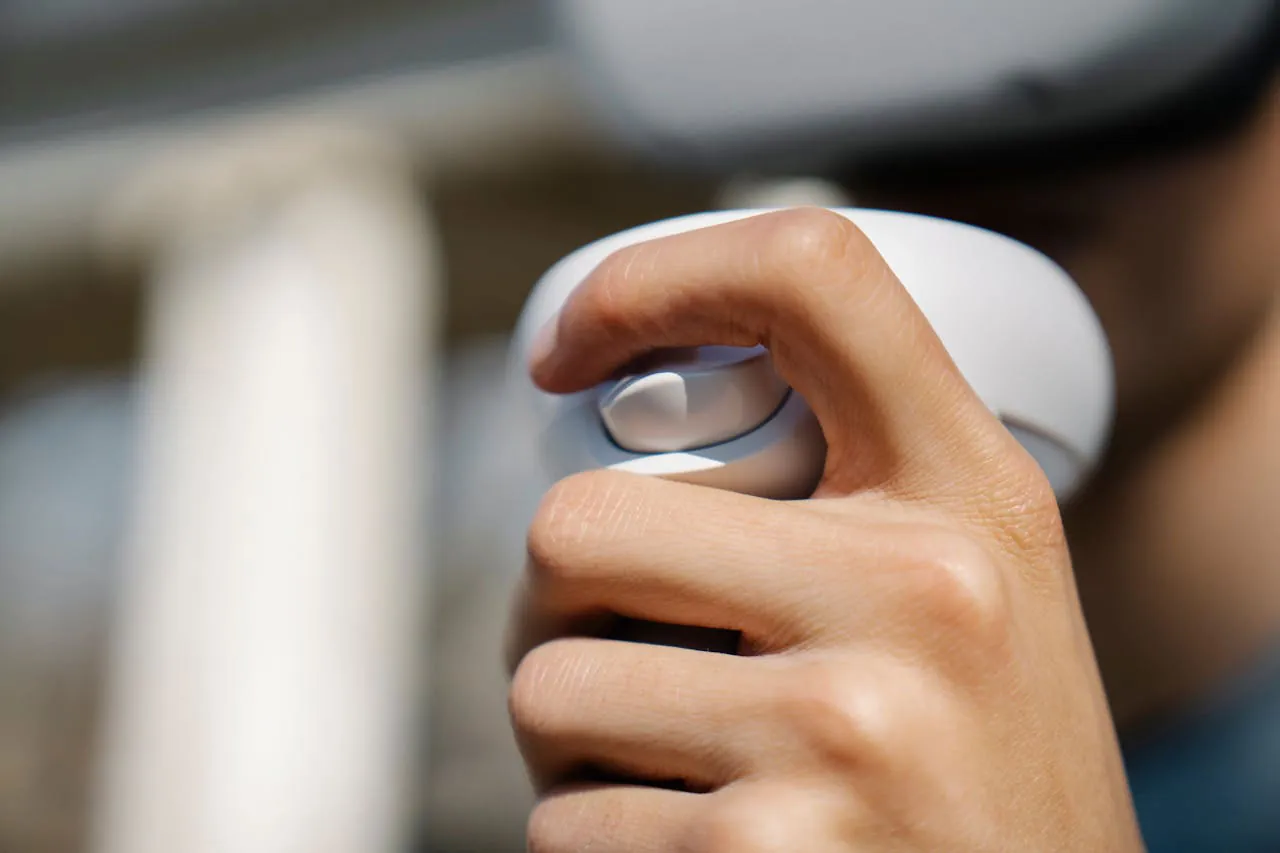
For a final ergonomic assessment, development teams use physical or digital models that reproduce the features of the proposed design. These prototypes are essential for evaluating how people interact with the product under controlled conditions and for spotting usability problems before production and launch. End users test the prototypes and report on comfort, ease of interaction and what the product is like to use, through interviews, usability tests and questionnaires designed to gather meaningful data.
When the results are analysed, the team looks at the quantitative and qualitative measures collected: how long tasks take, how accurately they are performed, and users’ own views on comfort and satisfaction. These data show how effective the solutions are. So calling a product, or part of one, “ergonomic” should mean that the whole process of ergonomic analysis and synthesis has been carried out. The effectiveness of an ergonomic solution is judged against the information gathered: there is no such thing as an ergonomic object in absolute terms; it is the outcome of comparing different solutions, to identify the one that offers the greatest comfort and performance, also against the objectives of the design brief.
A case in point: safety grab rails
In the ergonomic development of aids for people with disabilities, the company Ponte Giulio (opens in a new tab) has adopted a research and development process aimed at optimising the ergonomic performance of its products. The design of its safety handles and grab rails, for example, reflects in-depth study of the physical and perceptual interactions between user and aid. Advances in technology and manufacturing capability have made it possible to explore and adopt shapes and materials that offer greater comfort, tactile and perceptual as well as physical. These products evolve through an iterative process in which each new solution is compared with previous versions, through analysis based on anthropometric parameters, human capabilities, needs and feedback gathered over time from users and customers. This allows the design to be refined continuously, improving grip and functional effectiveness, so that the aids not only meet safety requirements but also promote comfort and improve quality of life.
The same theme lies at the heart of Giotto, the collection of grab rails we designed: aids that meet safety requirements and whose form recalls the most classic bathroom accessories, so that the people who use them do not feel they are in a hospital.

Ergonomics and Design for All: what changes
As the aim increasingly becomes raising the standard of everyday life, the route to better solutions runs through a dense web of variables. The many design characteristics that designers and universities have studied over the years have given rise to far more structured and effective disciplines and processes. Alongside ergonomics, inclusive disciplines have emerged, such as Design for All and Inclusive Design, together with problem-solving methods that also take in human diversity and the many contexts of use. These approaches bring more complex strategies and processes into play, going beyond the limits of the traditional ergonomic process towards a broader, more integrated vision of design.
Contemporary ergonomics is systemic and can be participatory: it works with people to find the solution that offers the greatest comfort and the best performance for a given task in a given context. Design for All adds a question that anthropometric parameters do not measure: what that solution says about the person using it. A grab rail can be ergonomically flawless and still say “hospital”. A Design for All solution is safe, comfortable and beautiful as well: a solution people love to use, and one that does not force them to declare their condition. This is the criterion we apply in the Design for All process and in our Design for All and Inclusive Design consultancy.
In our projects
Read next
- News and eventsDesign for All Process: the Florence event of 17 October 2026What did the Design for All Process event in Florence bring together?
- InterviewInclusive design: the Design for All approach on Radio Canale ItaliaWhat is inclusive design, as explained on the radio?
- InterviewFrancesco Rodighiero on Rai Radio 3: Design for All at the heart of the cultural debateWhy is Design for All a cultural issue, not only a technical one?
Beyond measurement
If an aid works but still signals the condition of the person using it, we can redesign it together with the people it is meant for.