Demì. The chopping board for all ages.
Cutting with one hand, at any age
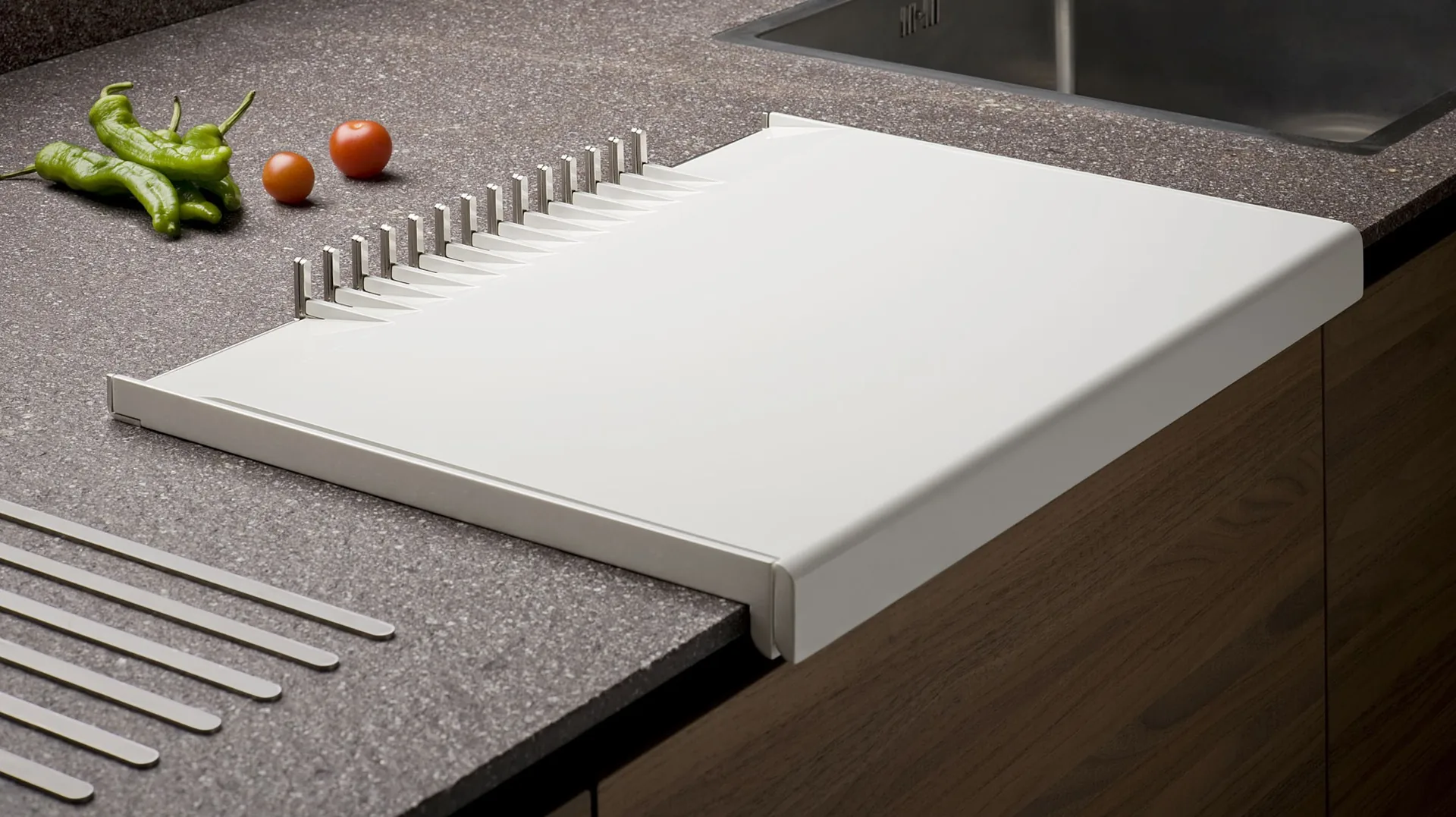
Demì is a kitchen utensil designed for everyone who has the use of only one hand or one arm.
Demì is designed as a safety system for cutting food: it builds on instinctive behaviours, which widens its audience to many groups, from the youngest to the oldest.
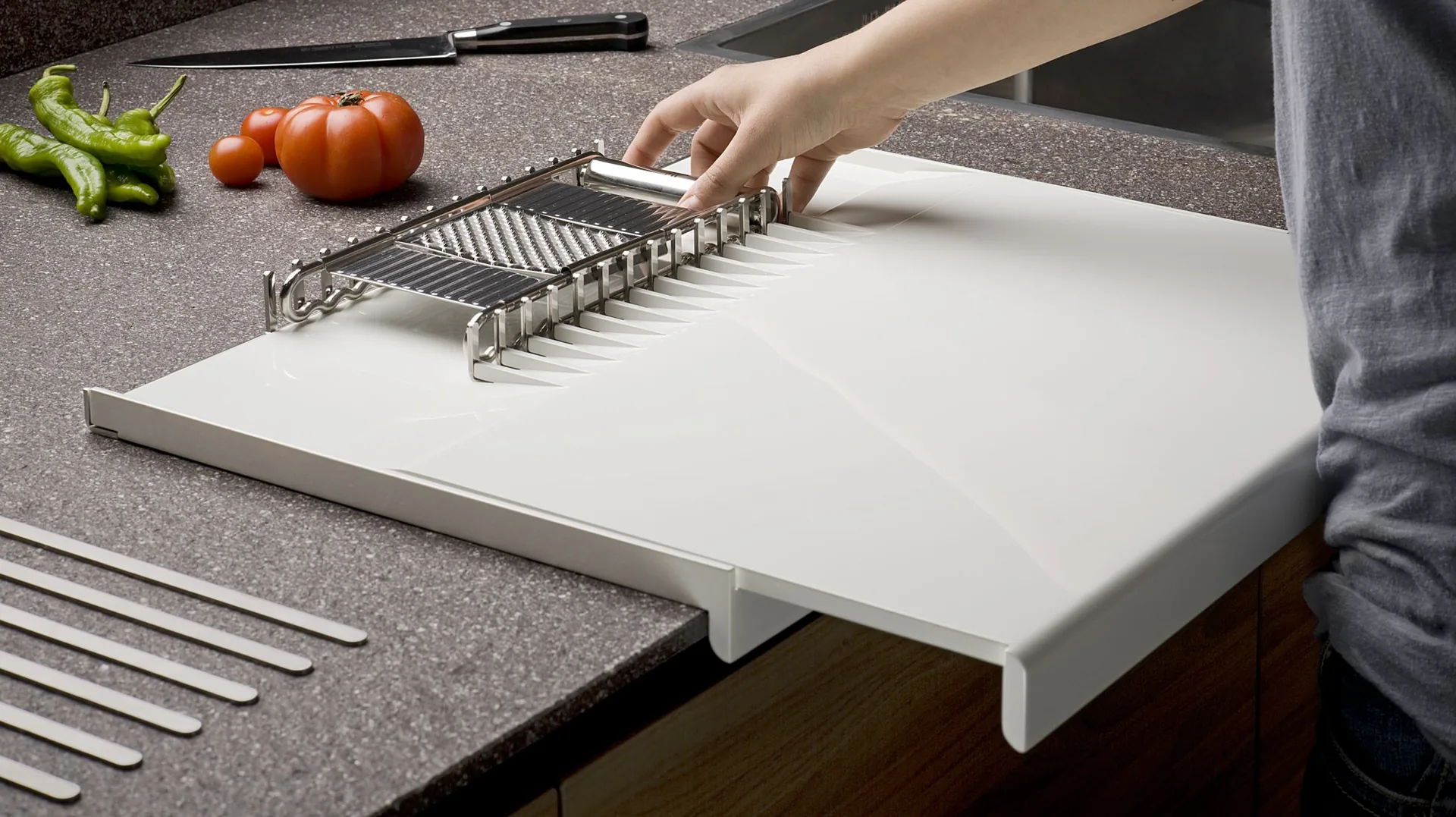
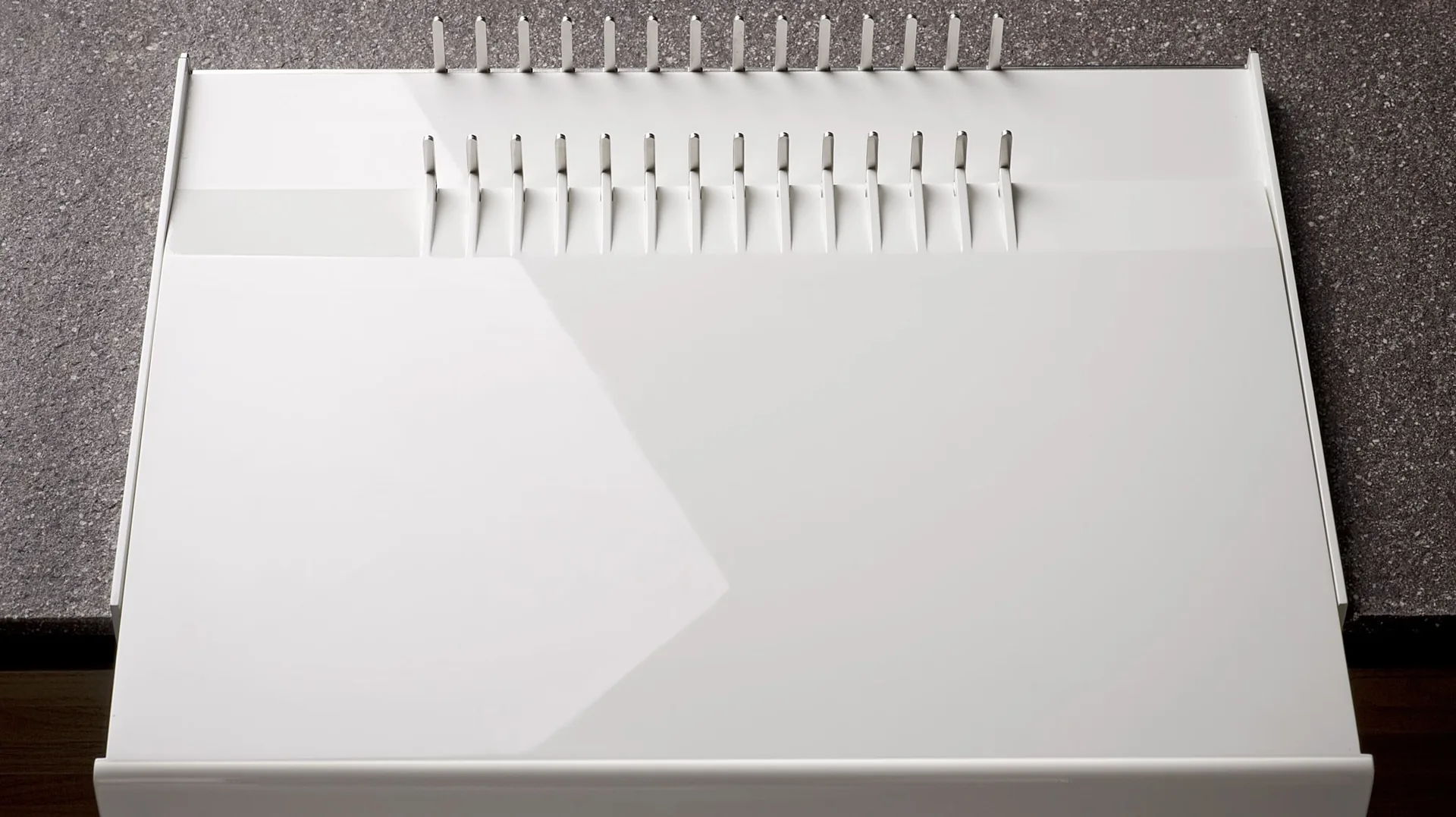
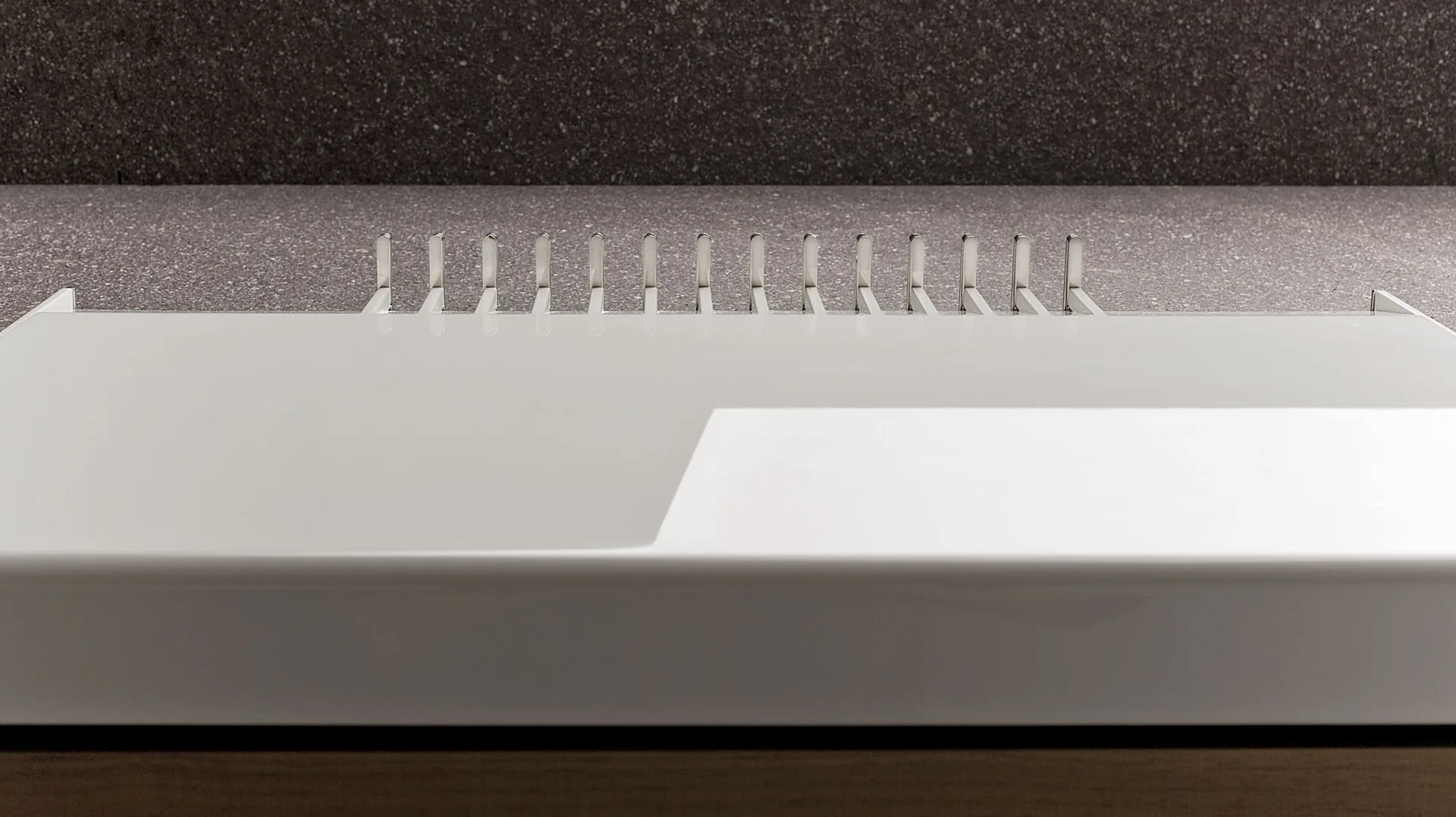
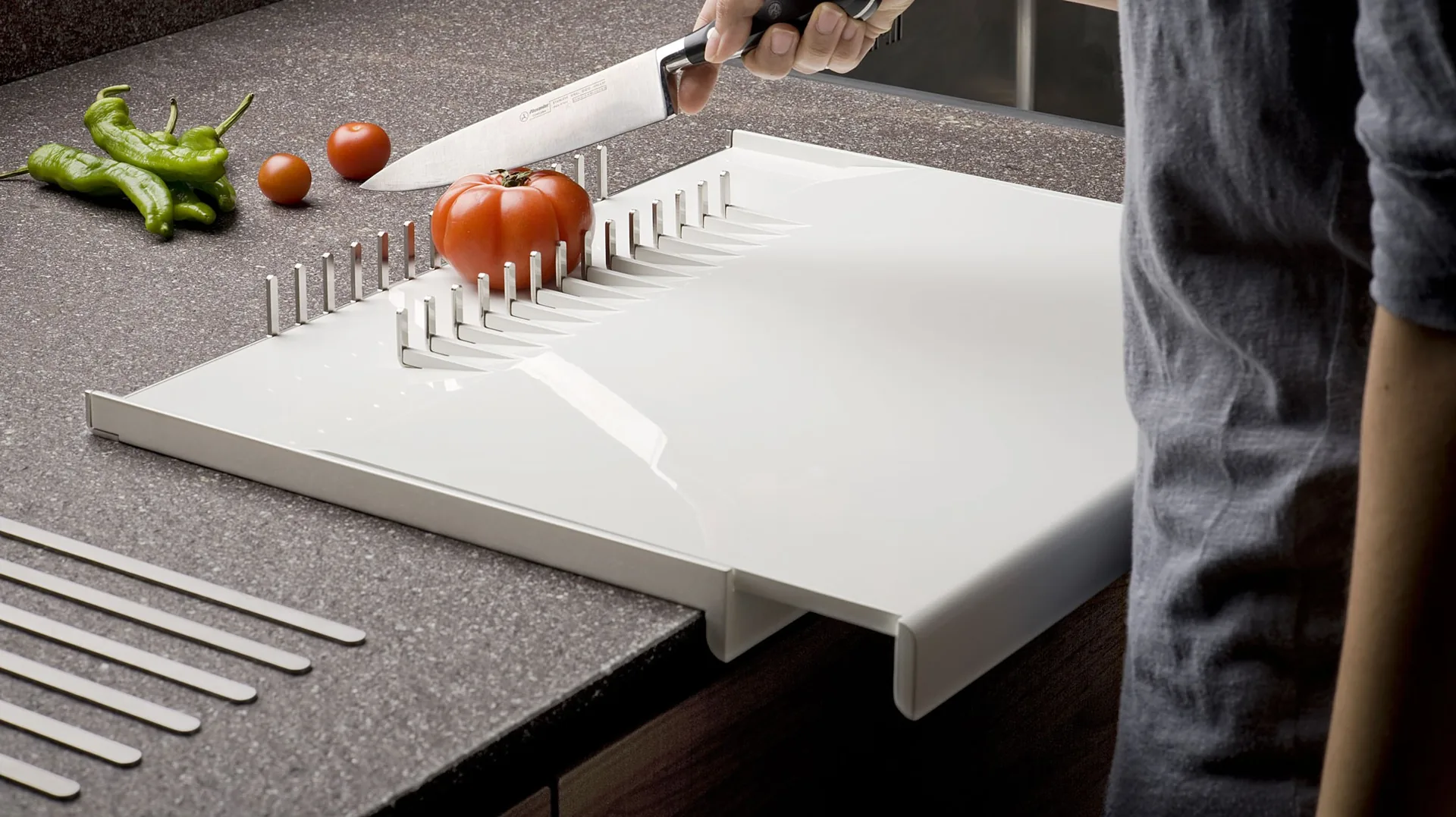
Two overlapping surfaces that slide in one direction let the user hold the food in place by pressing with the body, so that it can be cut with one hand. The system does not exclude people without disabilities, and it also offers a steady, precise way of cutting food.
Demì was developed for Snips with the Design for All approach.
Photographs by Matteo Girola.
Demì: the system
How to hold food in place for cutting
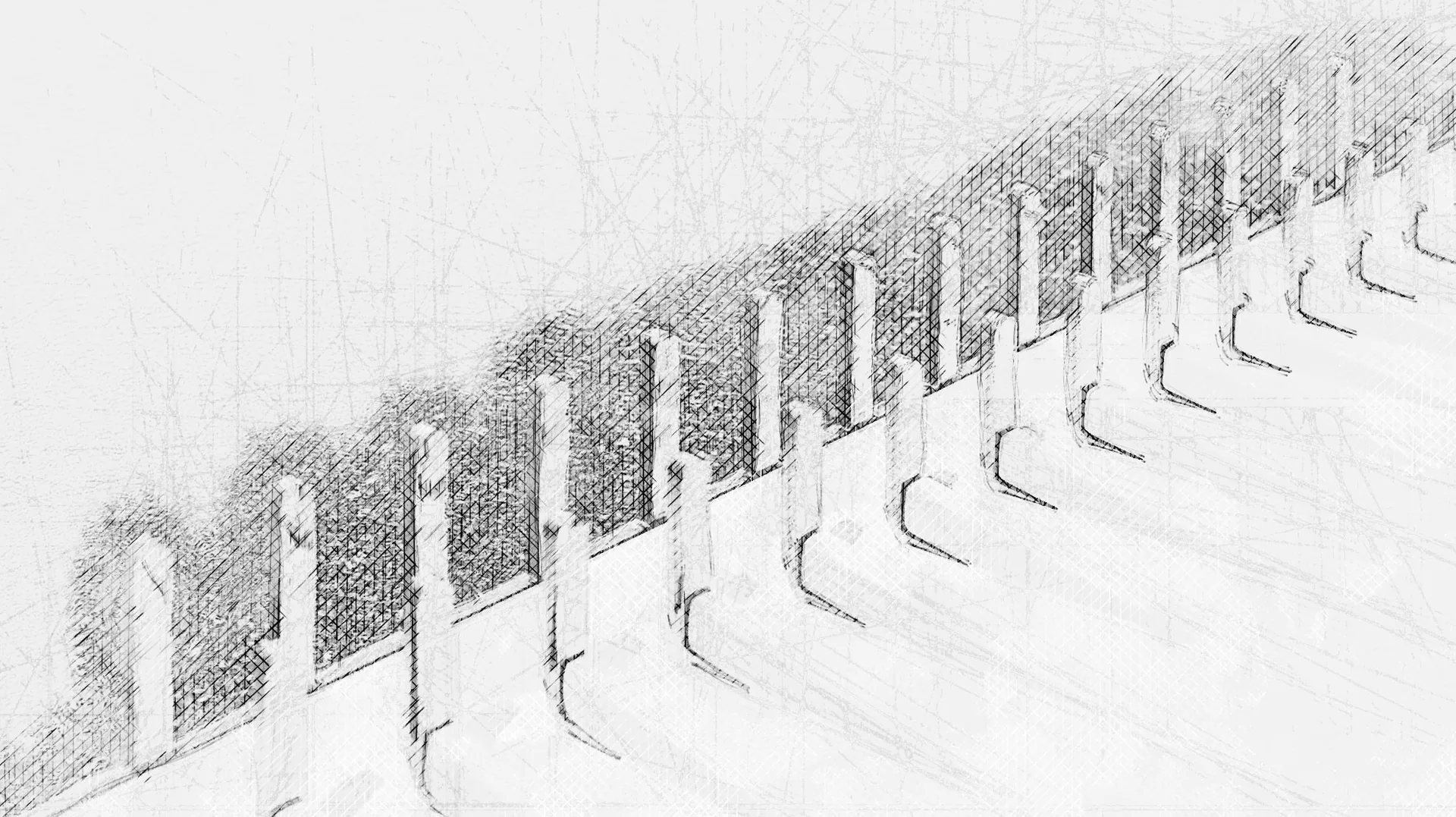
The project is built entirely around the system that holds the food in place. The idea, which came from observing machinery in industrial food production, made a new way of cutting food possible.
Even more important was the realisation that pressure from the body, in particular from the abdomen at waist height, was essential to do the work of the hand that cannot be used.
The body holds the food, one hand cuts it.
Frequently asked questions
How do you cut food with one hand?
Demì has two overlapping surfaces that slide in one direction: pressure from the body, at waist height, pushes them and holds the food in place, so that the free hand can cut it. The system was tested by people who use only one hand, and it is also safer and more precise for those who use both.
Do you have an everyday object that currently excludes someone?
From observing gestures to the prototype, with the people who have the most difficulty: what works for them remains useful to everyone.