Hackability
Co-Design with people, digital fabrication for everyone
Co-Design with people with disabilities, for social impact
“Hackability is a non-profit founded in 2016 to bring together the skills of designers, makers and digital craftspeople with the needs (and the inventiveness) of people with disabilities, and to grow communities that, through digital fabrication, Co-Design and the use of 3D printers and open-source boards, create new, customised solutions able to meet the needs of people with disabilities in everyday life. To achieve this goal it has developed a Co-Design and open innovation methodology which, as well as making it possible to create everyday or complex objects, home automation solutions, aids and new low-cost, scalable services, uses Co-Design as a tool for developing social inclusion and as an opportunity for research, producing and organising case studies that increase knowledge of accessibility issues related to disability and ageing.” (our translation)
Tulip
The key turner for people with rheumatoid arthritis
Design: Francesco Rodighiero.
We are very proud of this project. It reflects our everyday work: designing products for people with disabilities that respect their dignity.
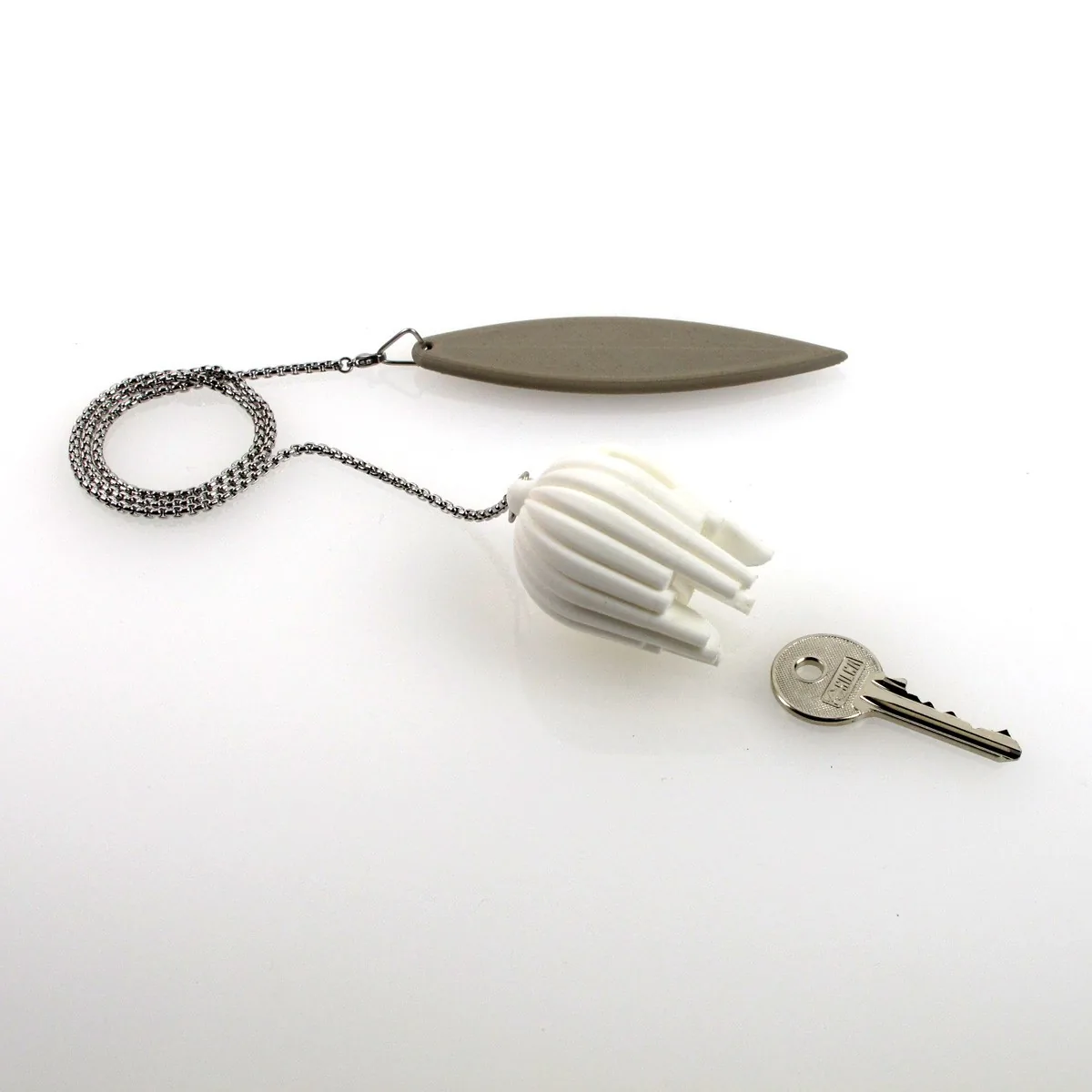
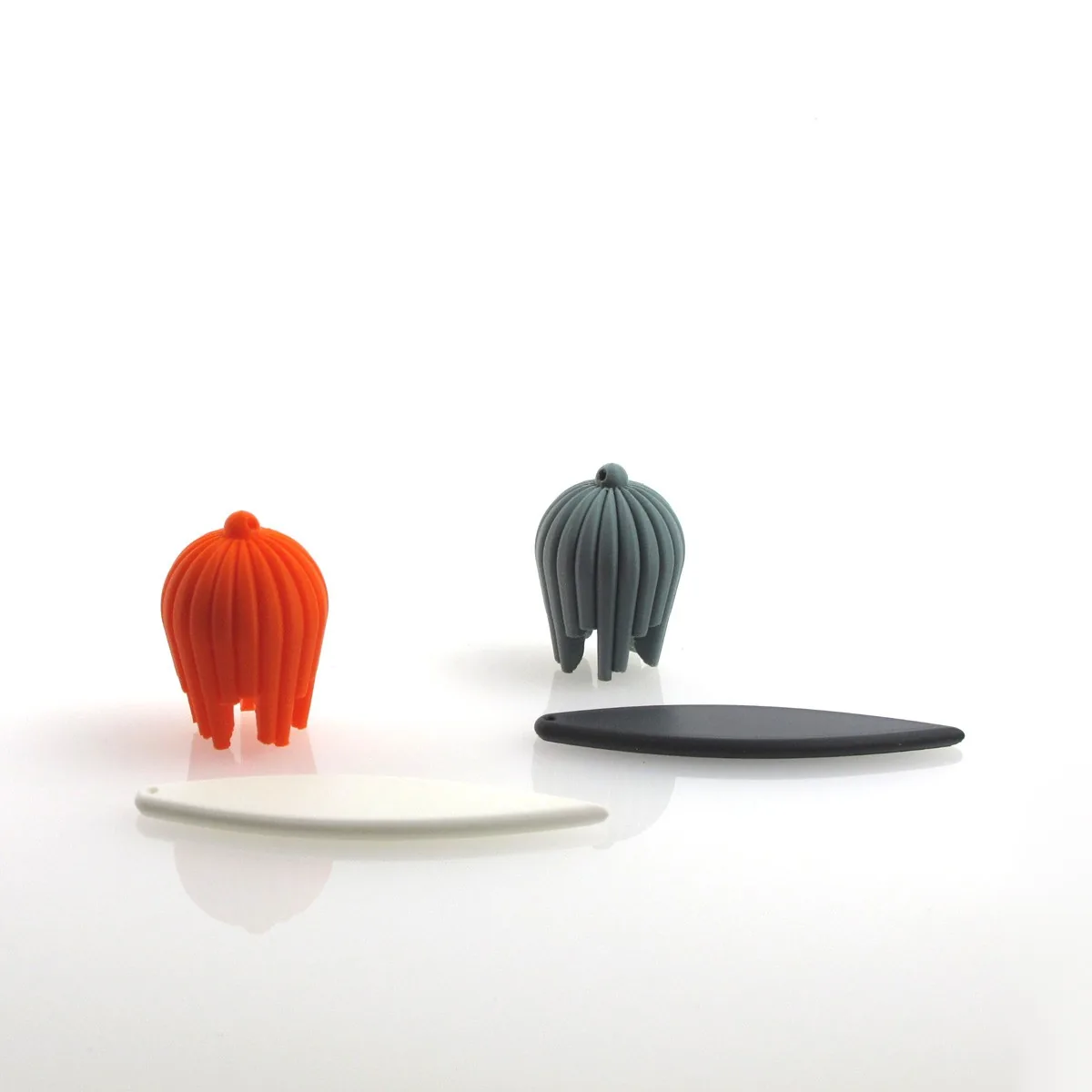
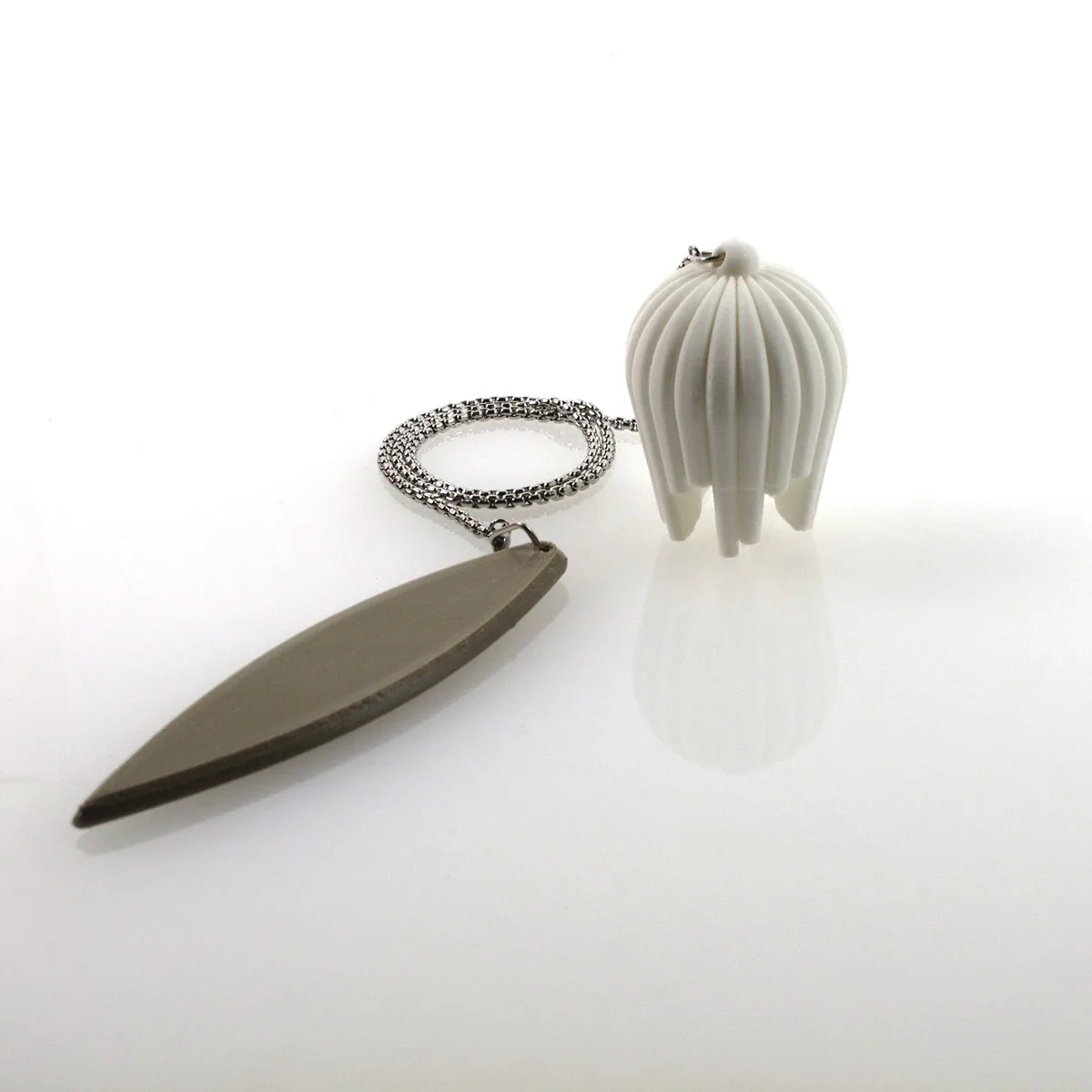
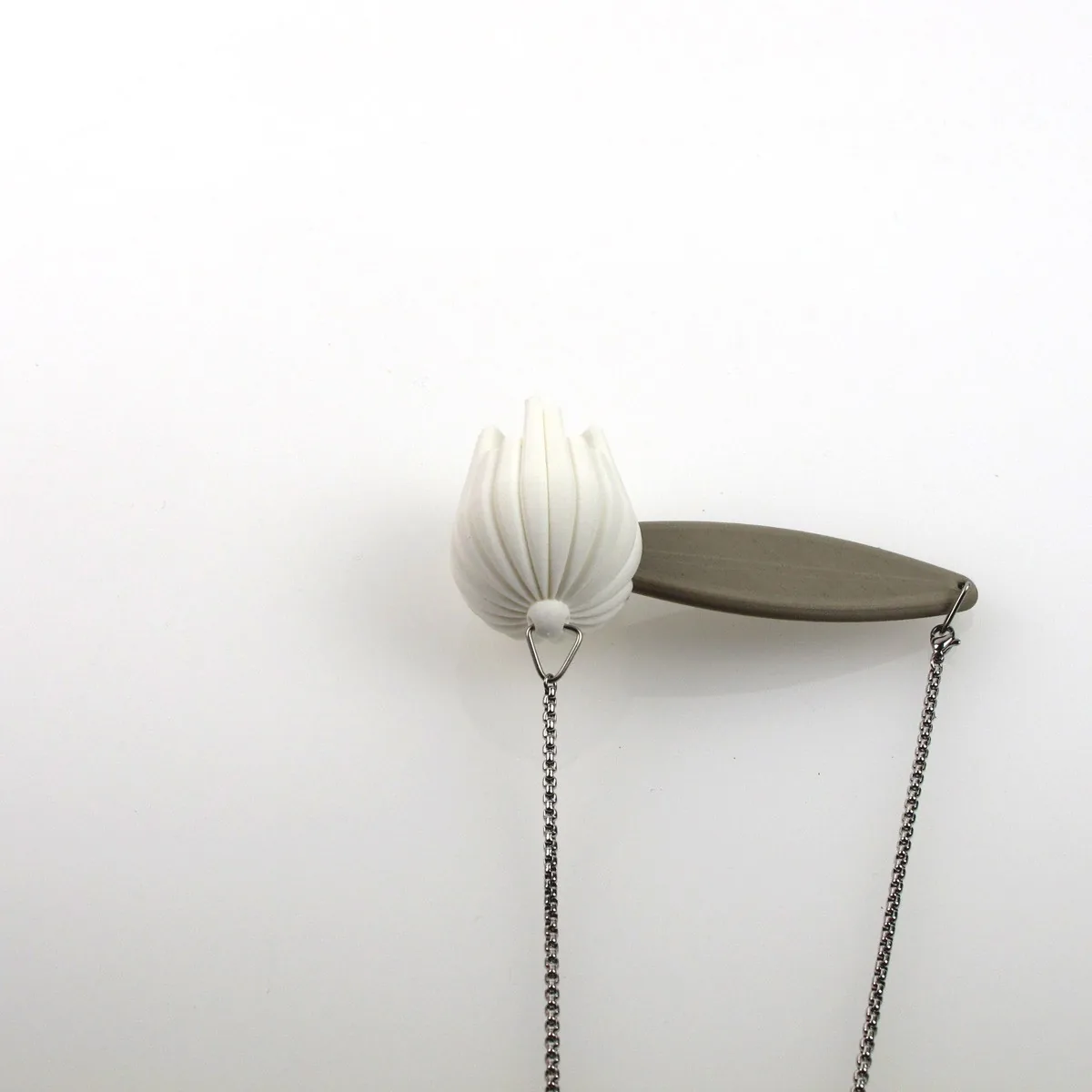
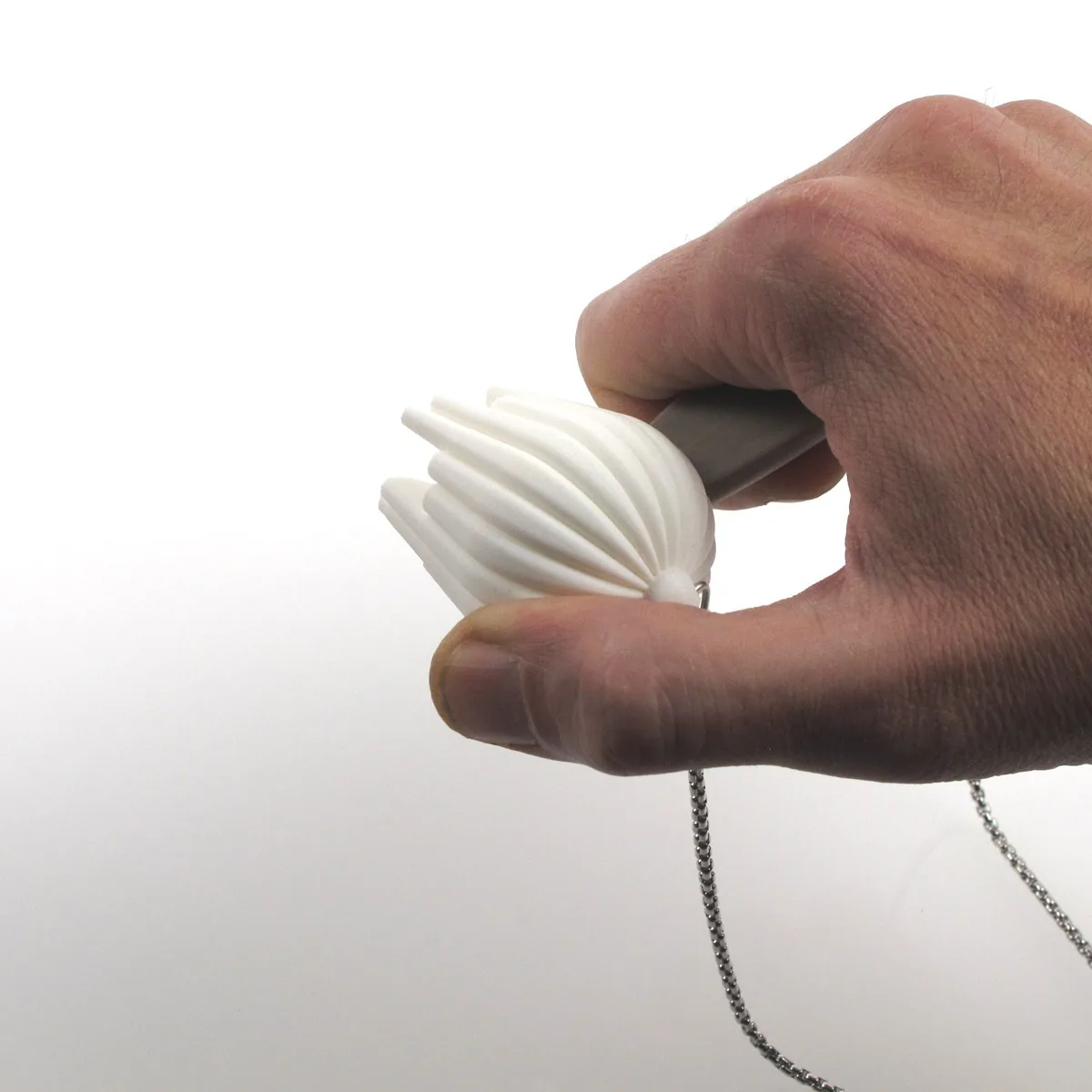
Tulip is a key ring and key turner designed for people with rheumatoid arthritis who find it hard to turn keys in stiff locks. Ordinary key turners can end up snapping the key; Tulip is designed to protect it instead.
Designed during a Co-Design event, also in collaboration with Hackability. To read more on the subject, see this essay, written some time ago.
Designing products for people with disabilities that respect their dignity.
Zoomografo
A magnifying aid for reading and writing
Design: Francesco Rodighiero, Sebastiano Ercoli, Daniela Meroni, Enrico Bassi, Rosa Garofalo.
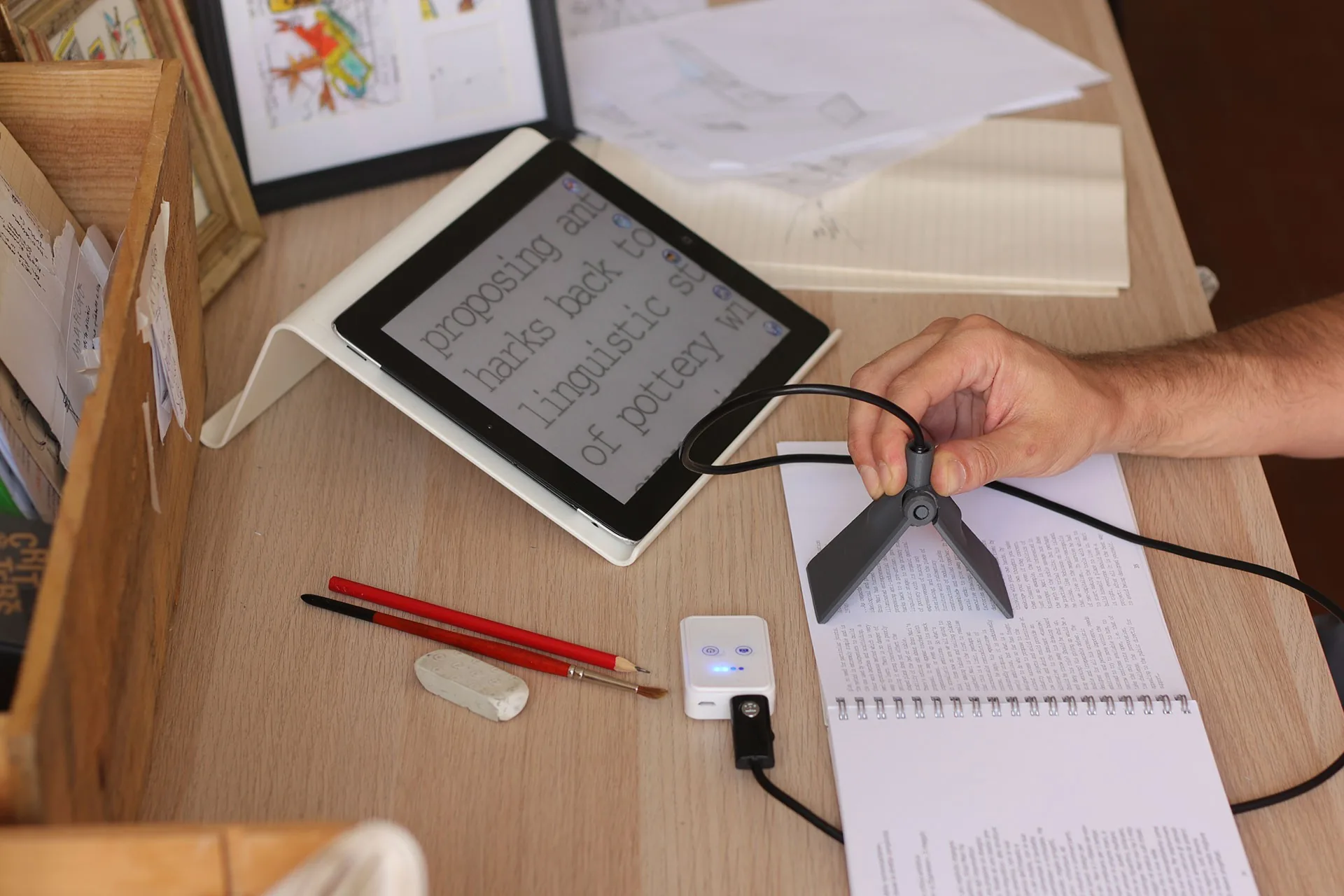
The two people involved have severe low vision. They have difficulty reading and sometimes even signing documents.
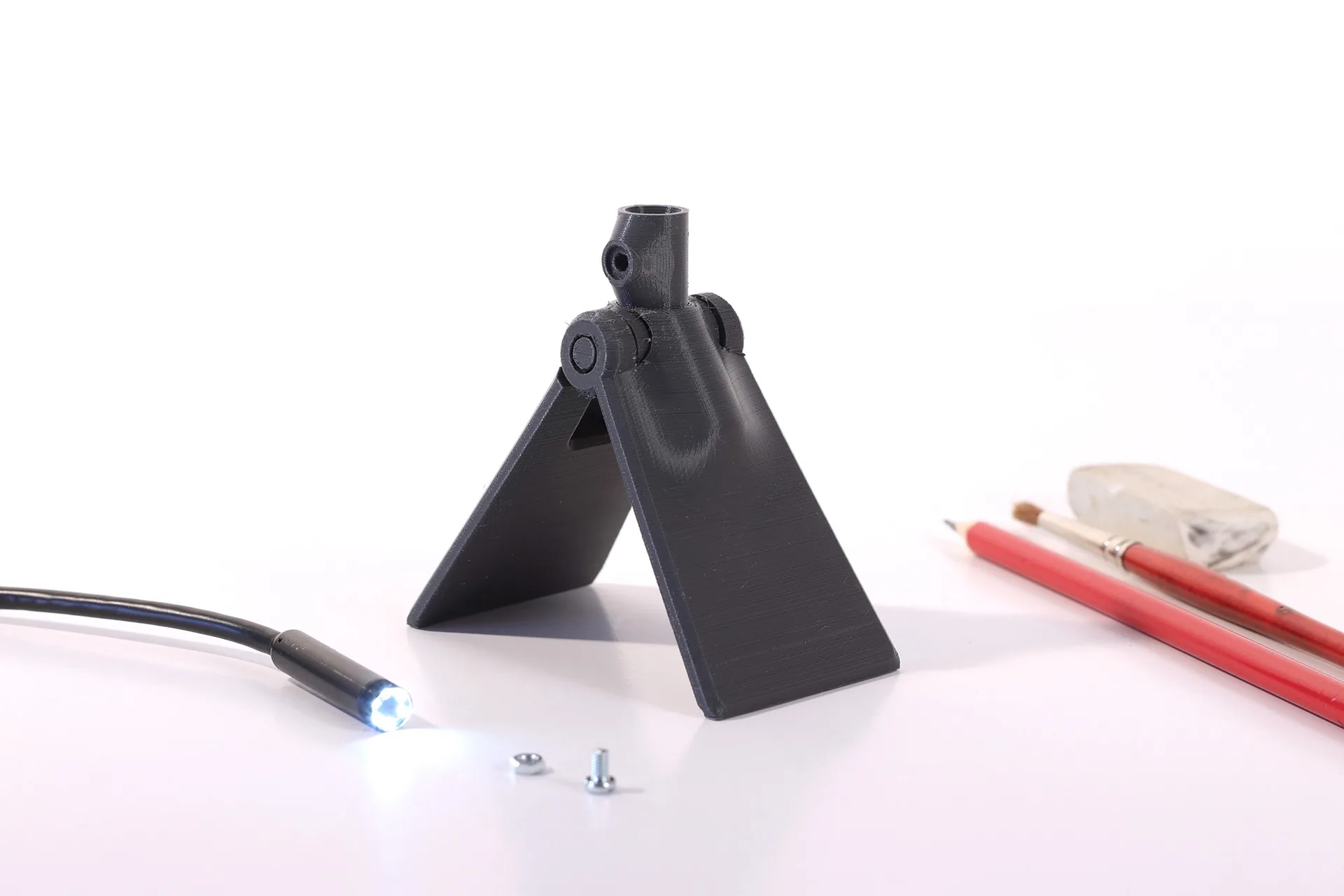
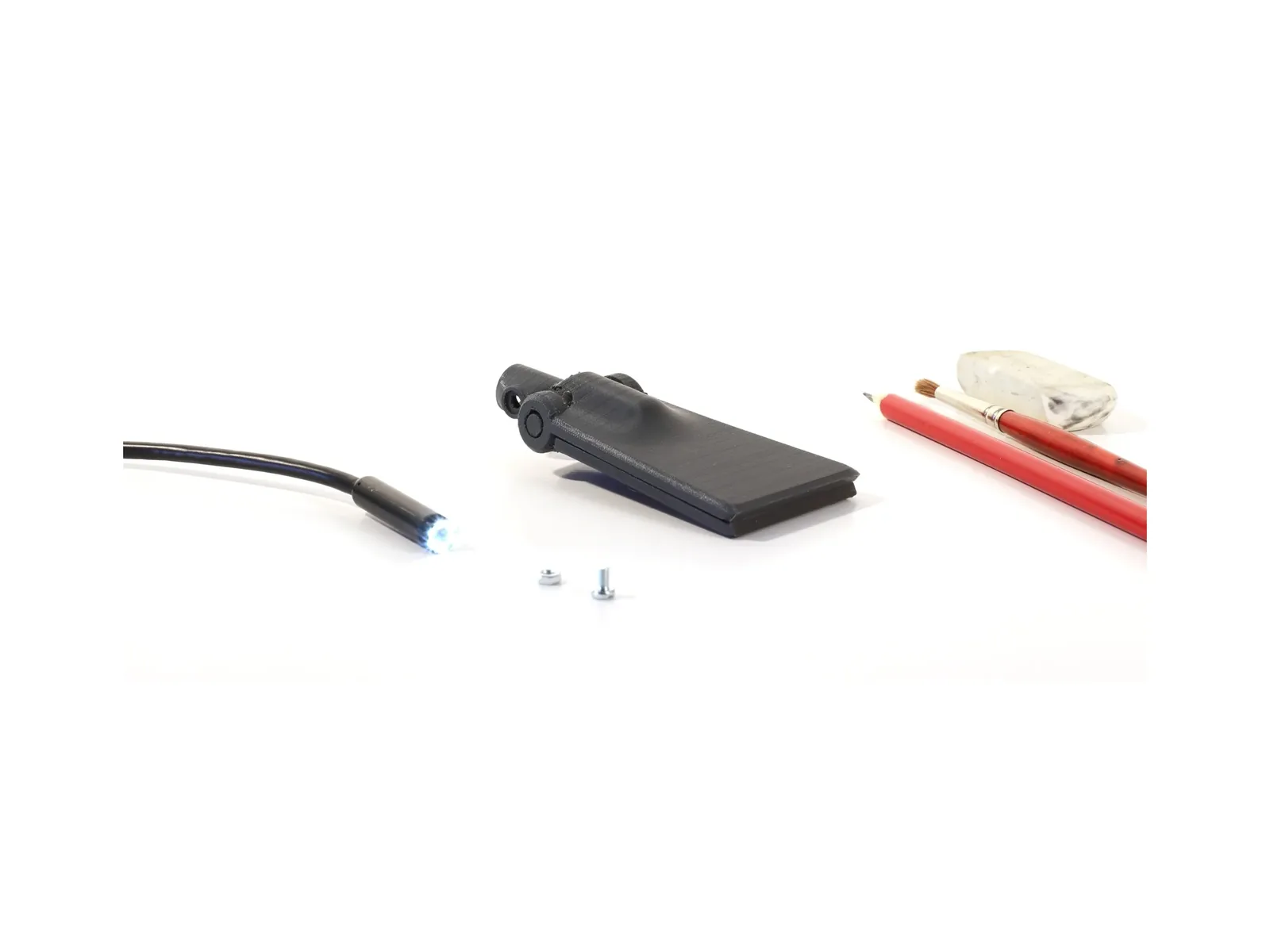
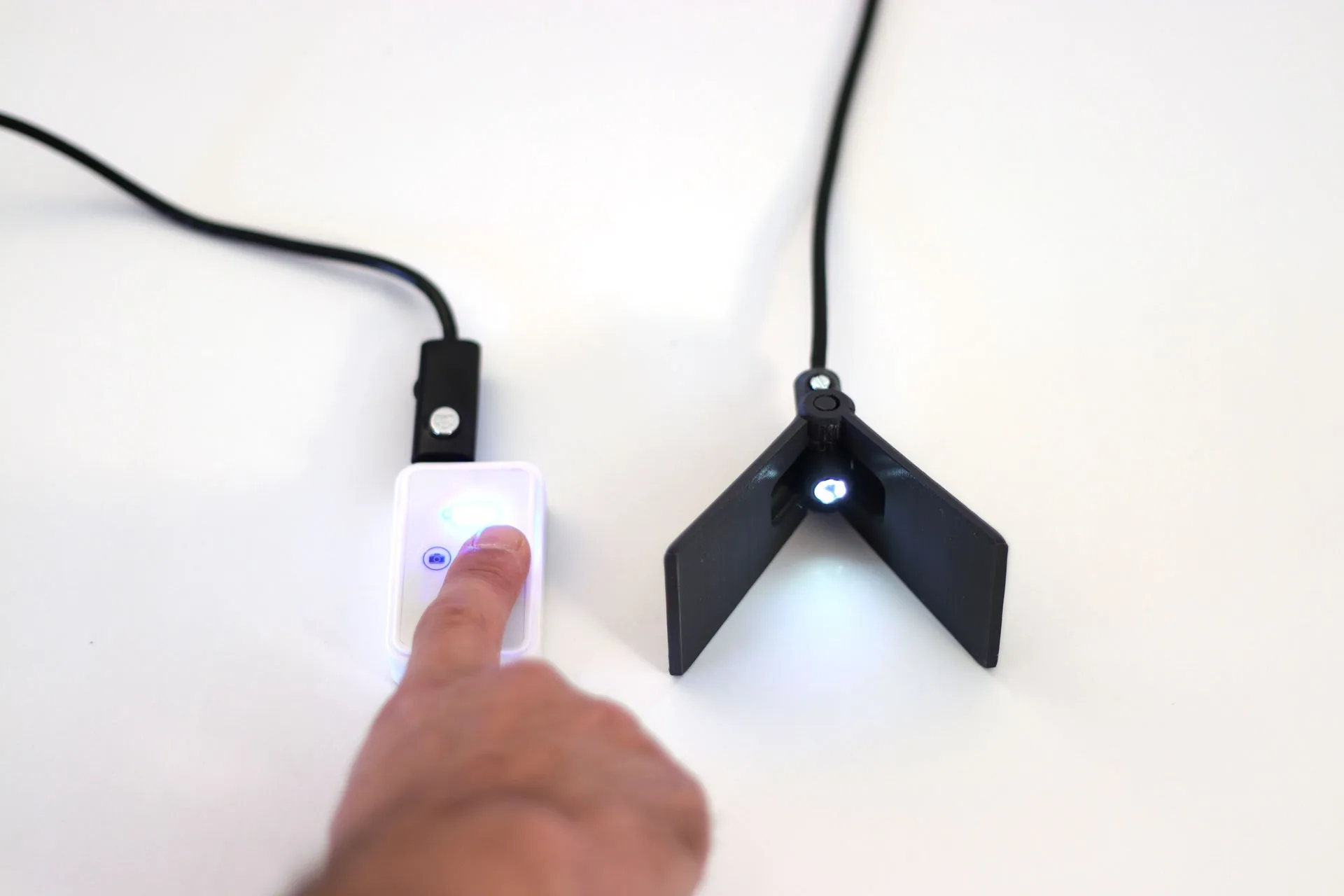
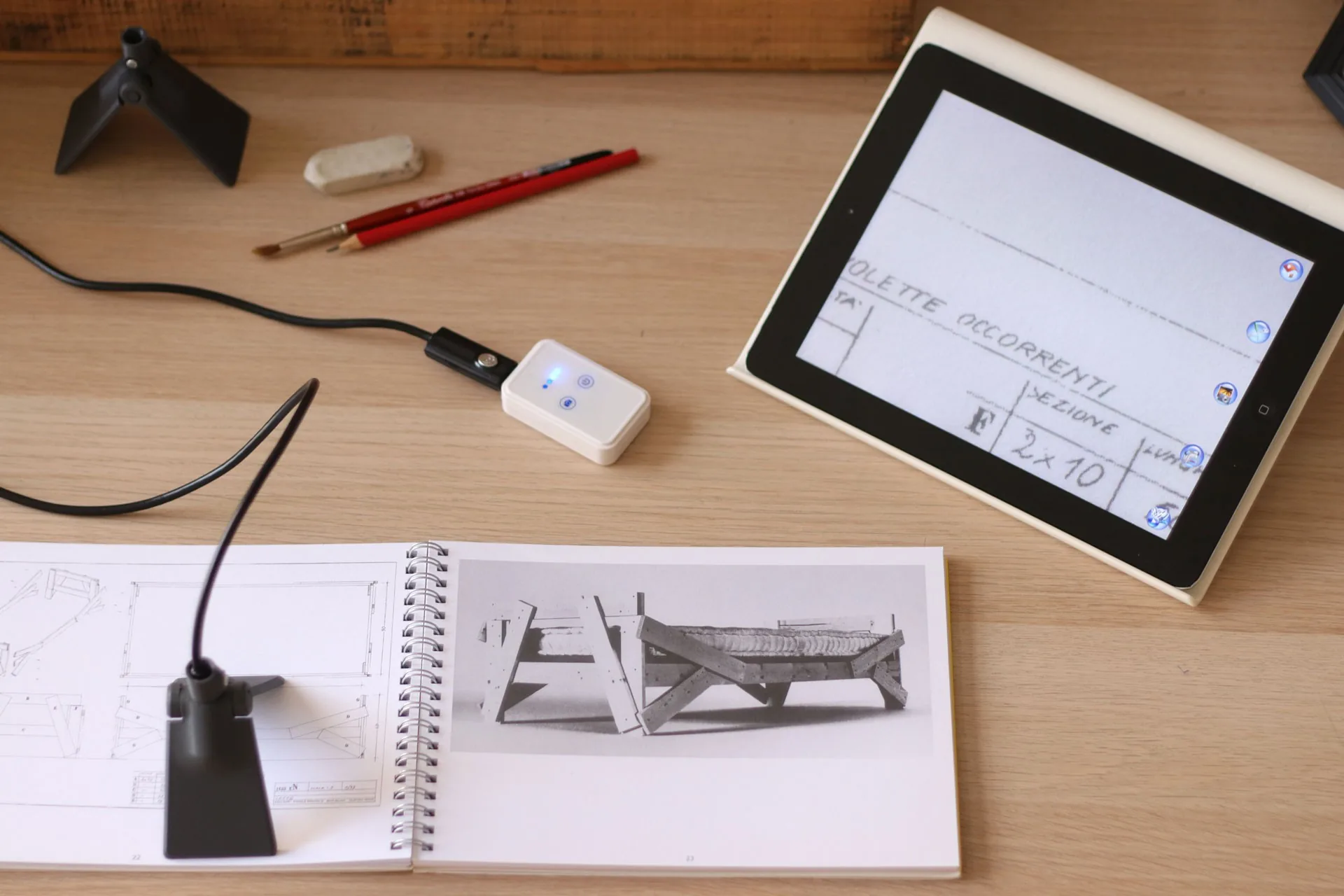
For them we designed an object that magnifies text and images so that they can read and write, using a camera and a mobile device (smartphone or tablet).
Zoomografo is therefore a “careable” for people with low vision: it magnifies words and images without losing the thread of the sentence. The object is entirely 3D-printed as a single, adjustable piece that comes pre-assembled, fitted with a lightweight endoscopic camera and Wi-Fi which, connected to the user’s smartphone or tablet, makes reading, and writing too, easier.
Tournée
A folding wheelchair table with 3D-printed panels
Design: Francesco Rodighiero, Daniela Meroni, Anisia Lauditi, Alberto Ghirardello, Rossella Indaco.
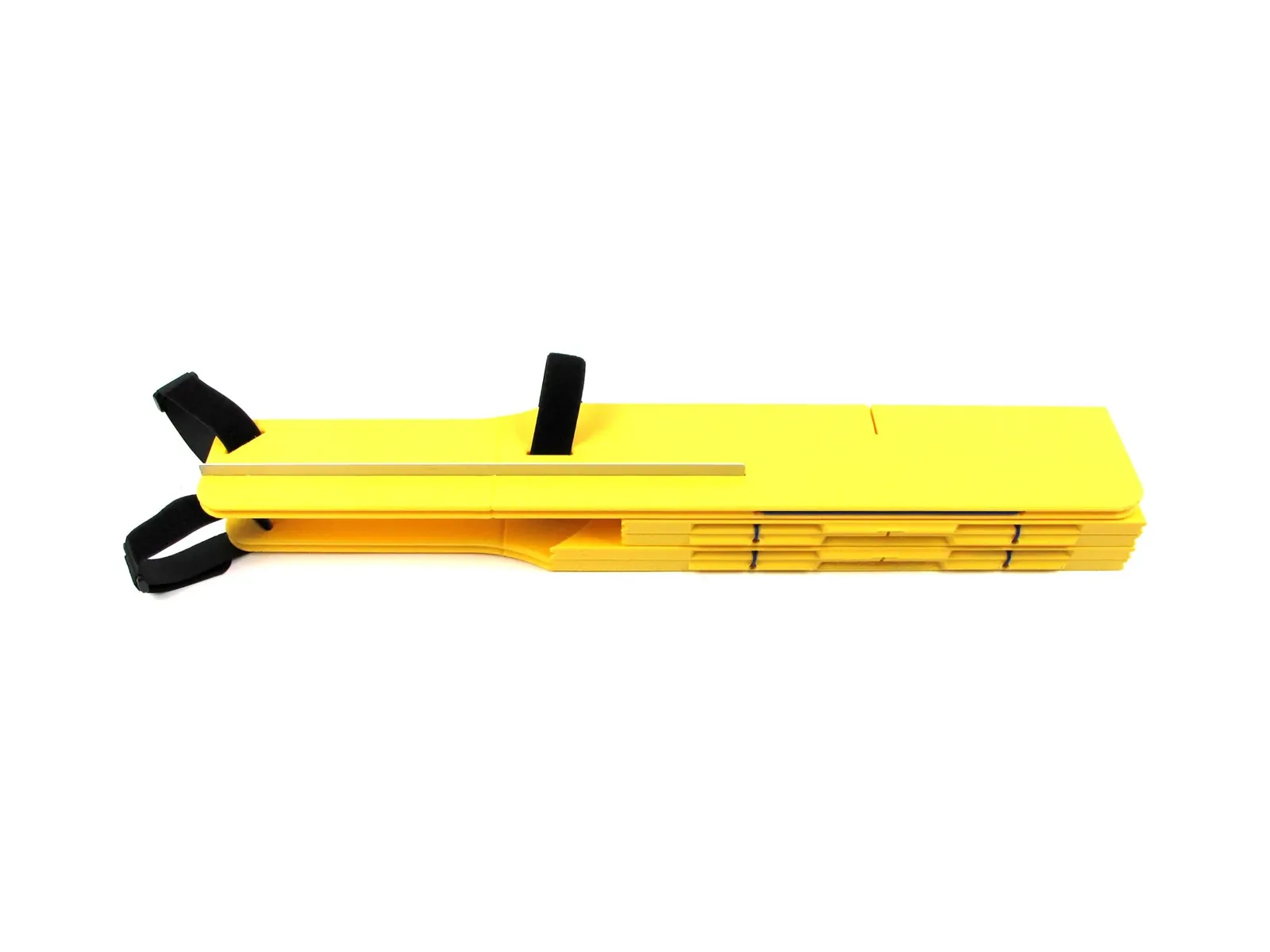
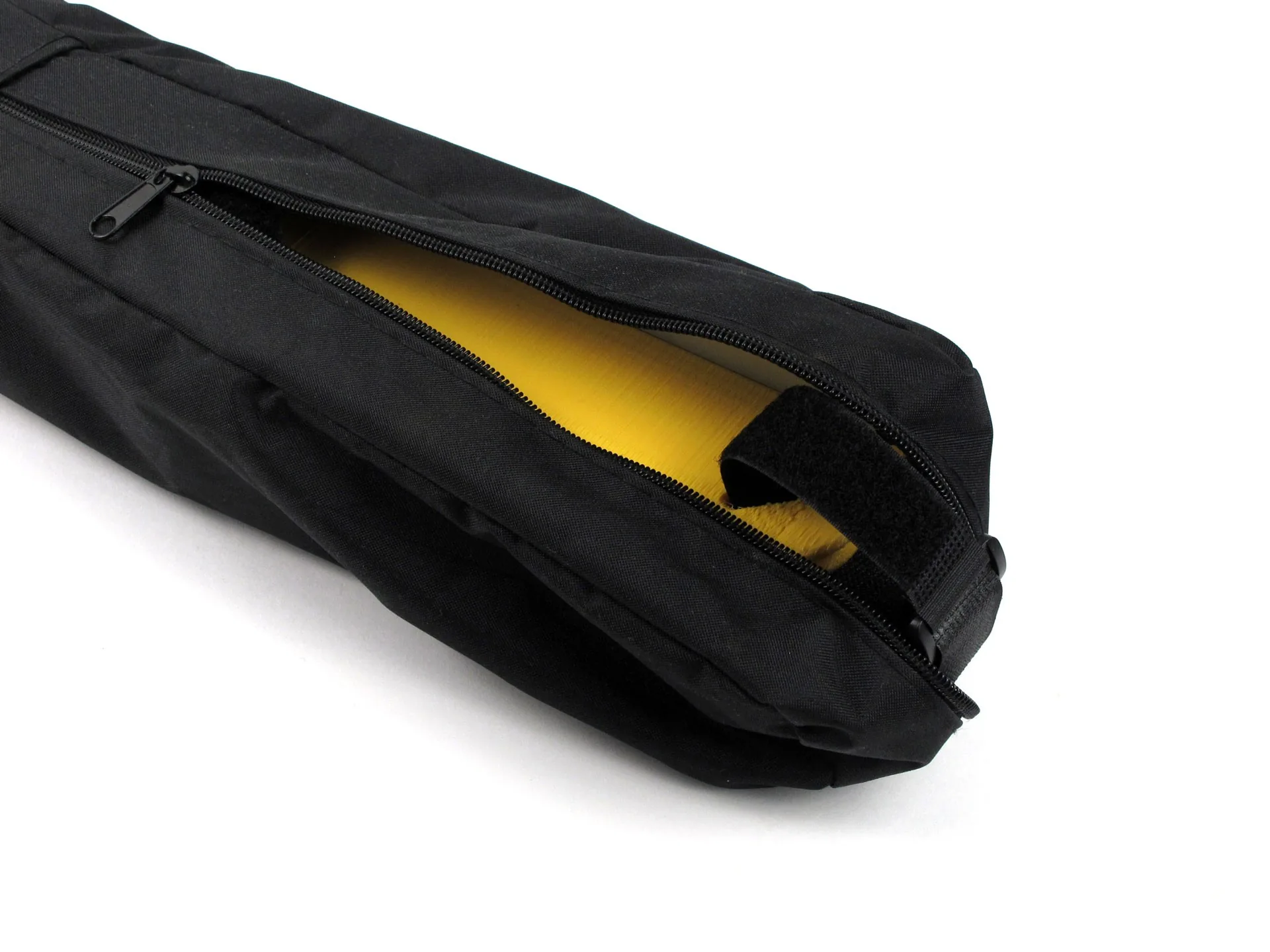
A mother could not always fit into lifts with her son, a wheelchair user, and his table. The table was also hard to carry when travelling and on trips and outings. For them we designed Tournée, a table that is easy to fold and carry and that, with straps, adapts to different wheelchair models. It is sized to pass through narrow doorways.
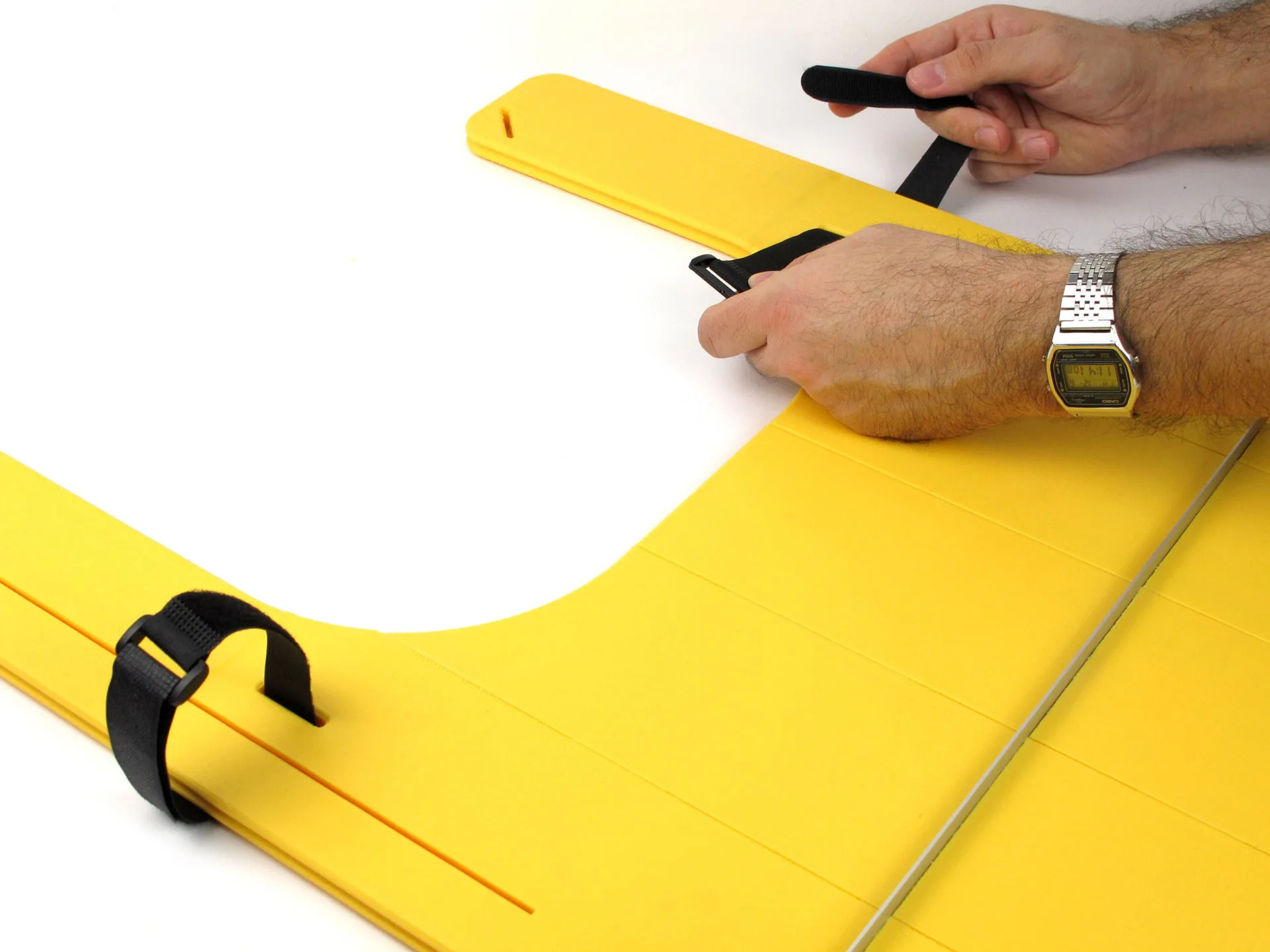
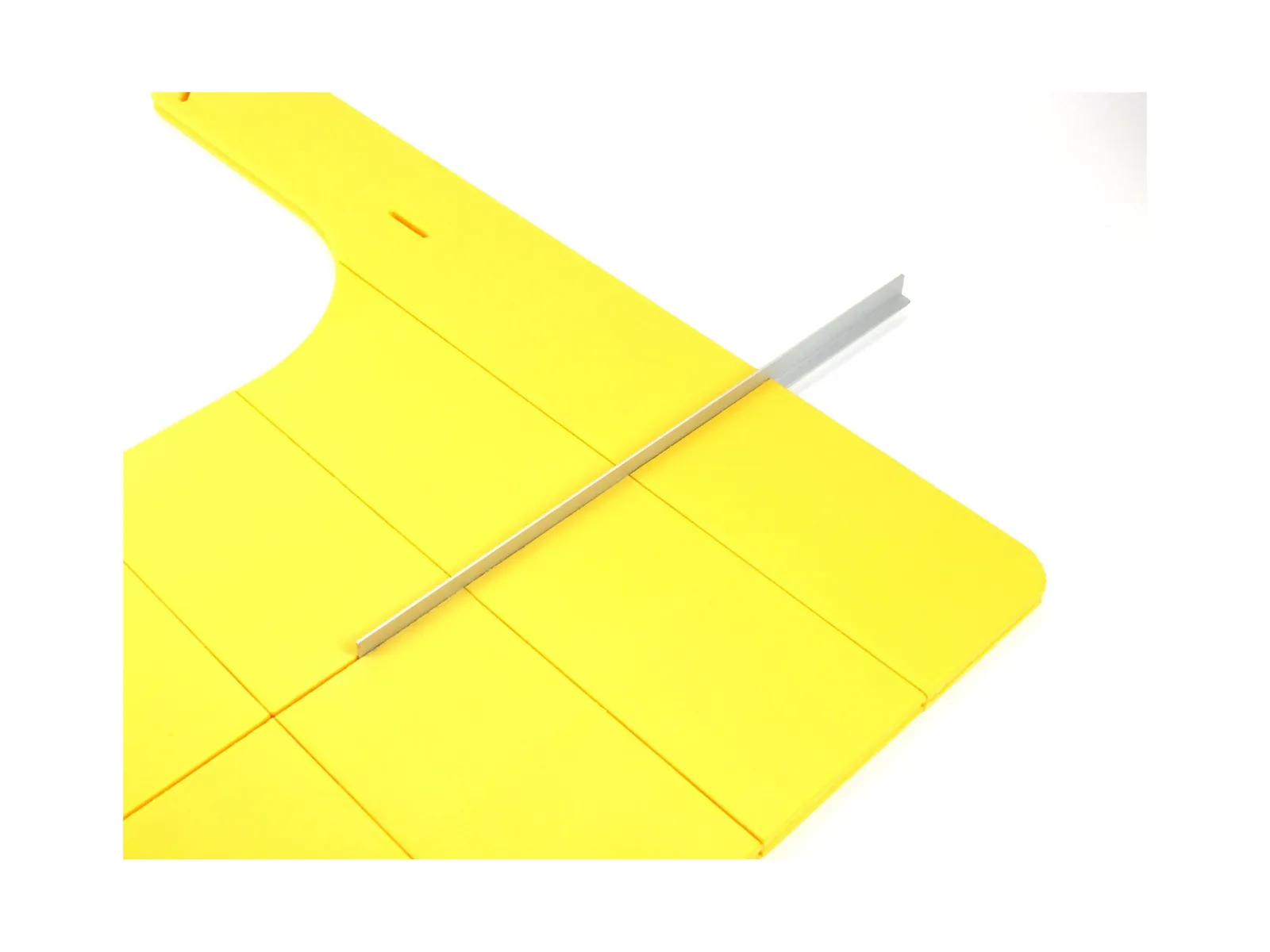
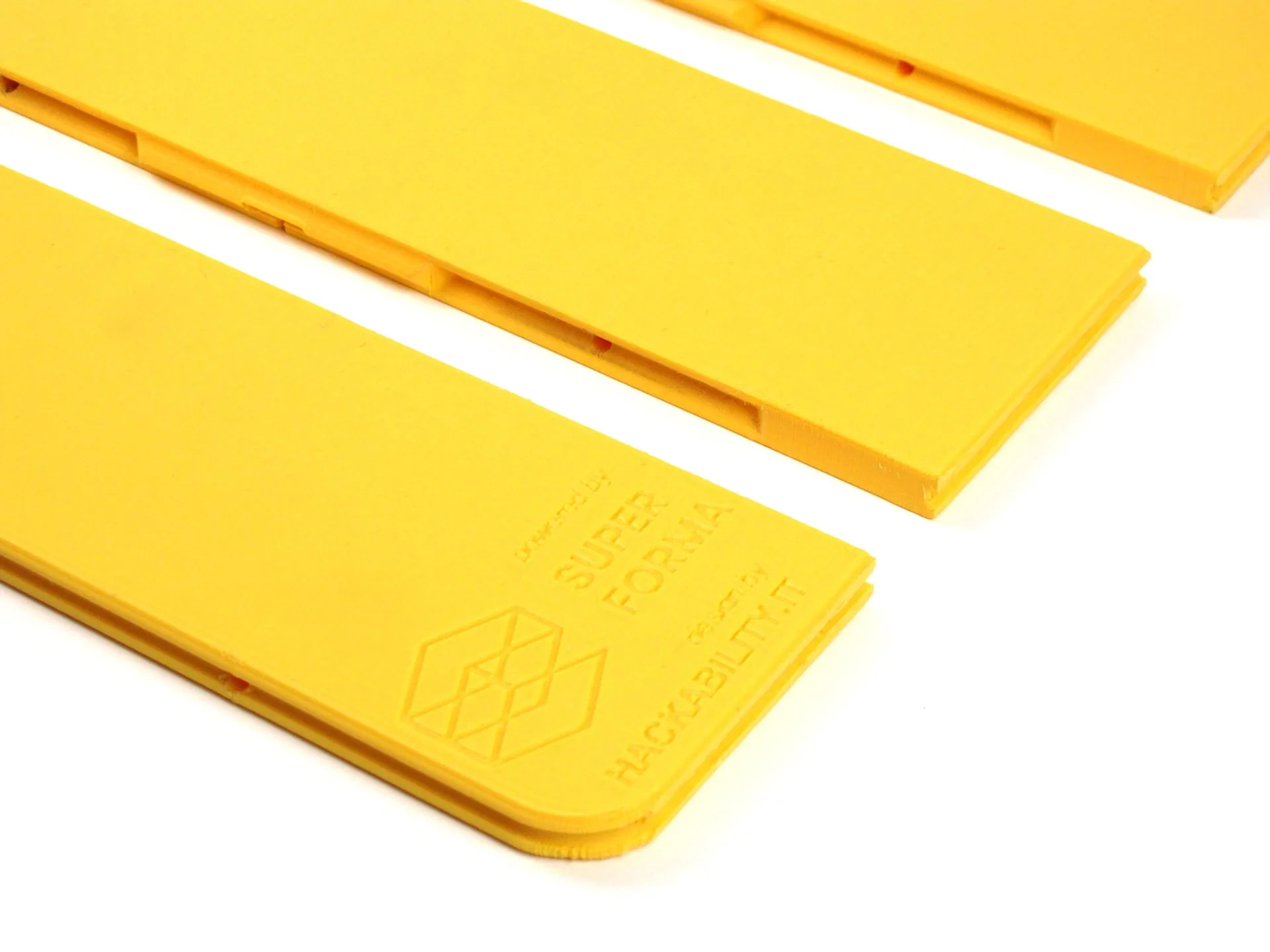
Tournée is a wheelchair table designed to be portable, appropriately sized, and quick and easy to fold. Its 3D-printed panels can be customised to suit different needs and situations. When it was designed, there was nothing similar on the market: many tables are bulky and hard to carry, and tilting versions depend on the type of wheelchair.
The table was printed by Superforma, whom we thank for their continued support.
Do you have an everyday need that the market does not yet meet?
From Co-Design with the people who live with the problem to a 3D-printed prototype: tailored solutions that can become products.