Sherlock. The audio guide for hospitality and tourism spaces.
The hotel room you can listen to
The context and the challenge
For people with severe low vision, finding their way around hospitality venues and tourist spaces independently is a complex challenge. Without clear information on the layout of rooms and on where sockets, controls, furniture and facilities are, it becomes difficult to use these places independently and safely.
The Sherlock project originated within the European ECOS4IN call, dedicated to inclusive innovation, and was developed by Hackability@Milano in collaboration with A.N.S. – Associazione Nazionale Subvedenti and the Fondazione Giacomo Brodolini, with the aim of creating a device able to provide structured audio descriptions of hospitality and tourism spaces.
Through an active Co-Design process with people with severe low vision, Sherlock combines intuitive tactile controls for moving through the content with an advanced audio description system, offering an accessible, independent way of finding one’s bearings.
How the idea came about
Sherlock is the result of an advanced Co-Design process based on the approach of Hackability, which received an Honourable Mention at the Compasso d’Oro 2020 for its ability to innovate through active collaboration between designers and the people the products are intended for.
The process went beyond involving people: it gave them an active, creative role in the development, bringing direct experience and specific skills to the definition of the device. In three online workshops, people with severe low vision, accessibility experts and designers worked together to shape the structure of the audio descriptions, design the physical interface and refine the user experience.
This process made it possible to develop a truly inclusive and replicable system, responding concretely to the need for independence in hospitality and tourism spaces.
Participatory design: Francesco Rodighiero in Il Bagno Oggi e Domani
People not only involved, but active, creative participants in the development.
How it works and its features
Design and production: Teo Bistoni, Dario Comini, Alessio Crivelli, Rossella Indaco, Tam Huynh, Francesco Rodighiero, Luisa C. Baraglia.
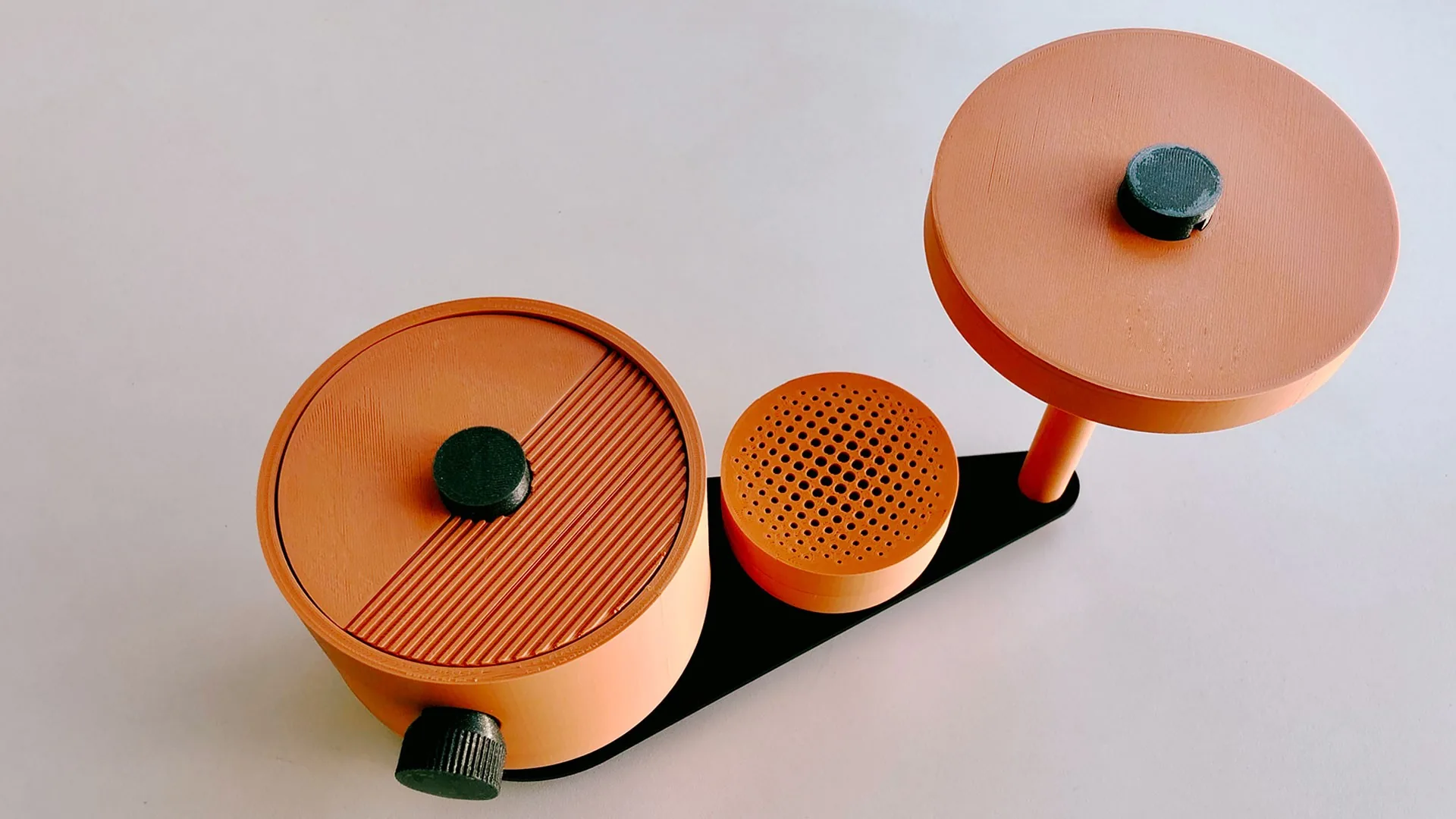
The device offers a more accessible experience to people with severe low vision and is, at the same time, useful and intuitive for everyone.
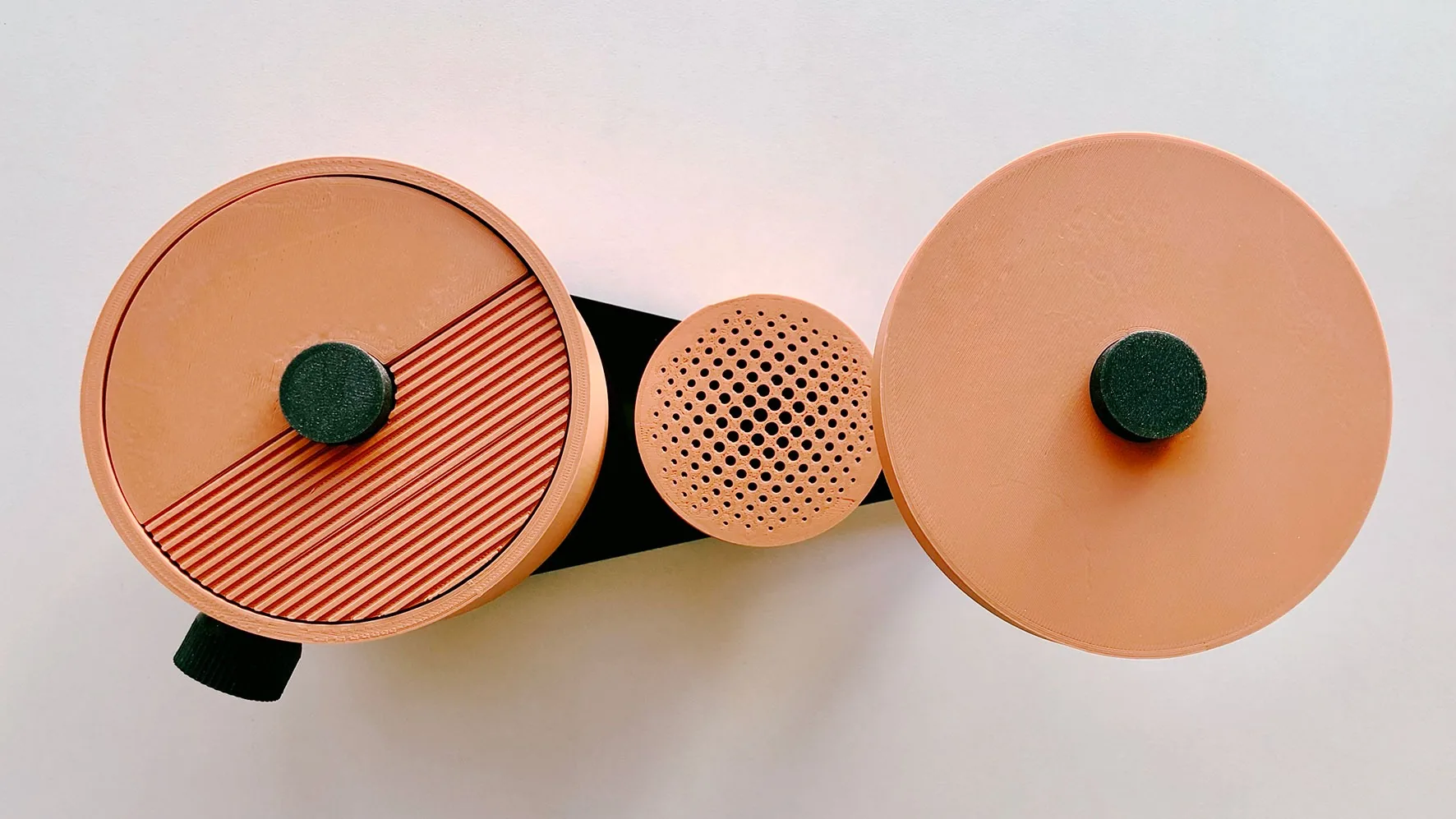
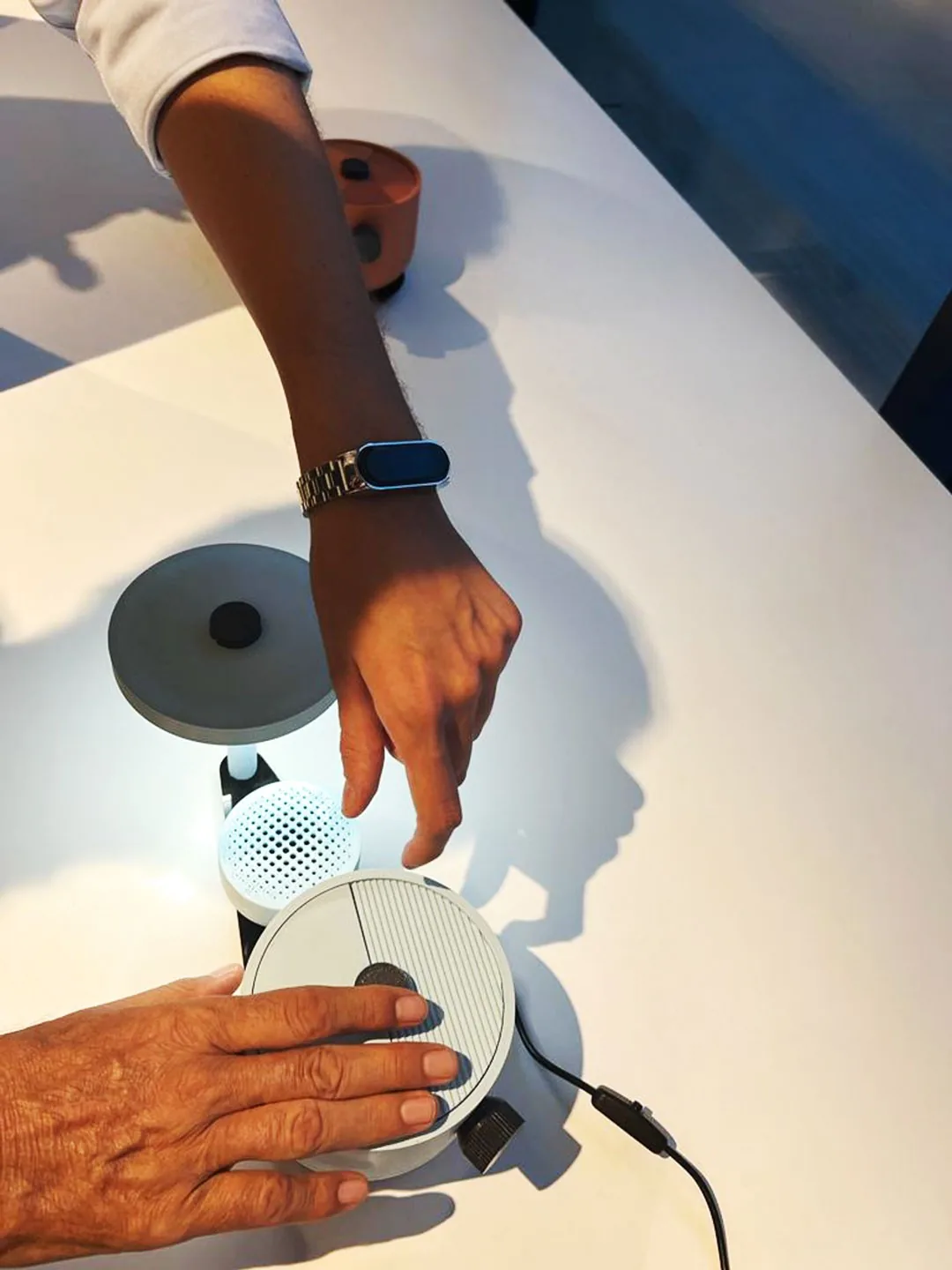
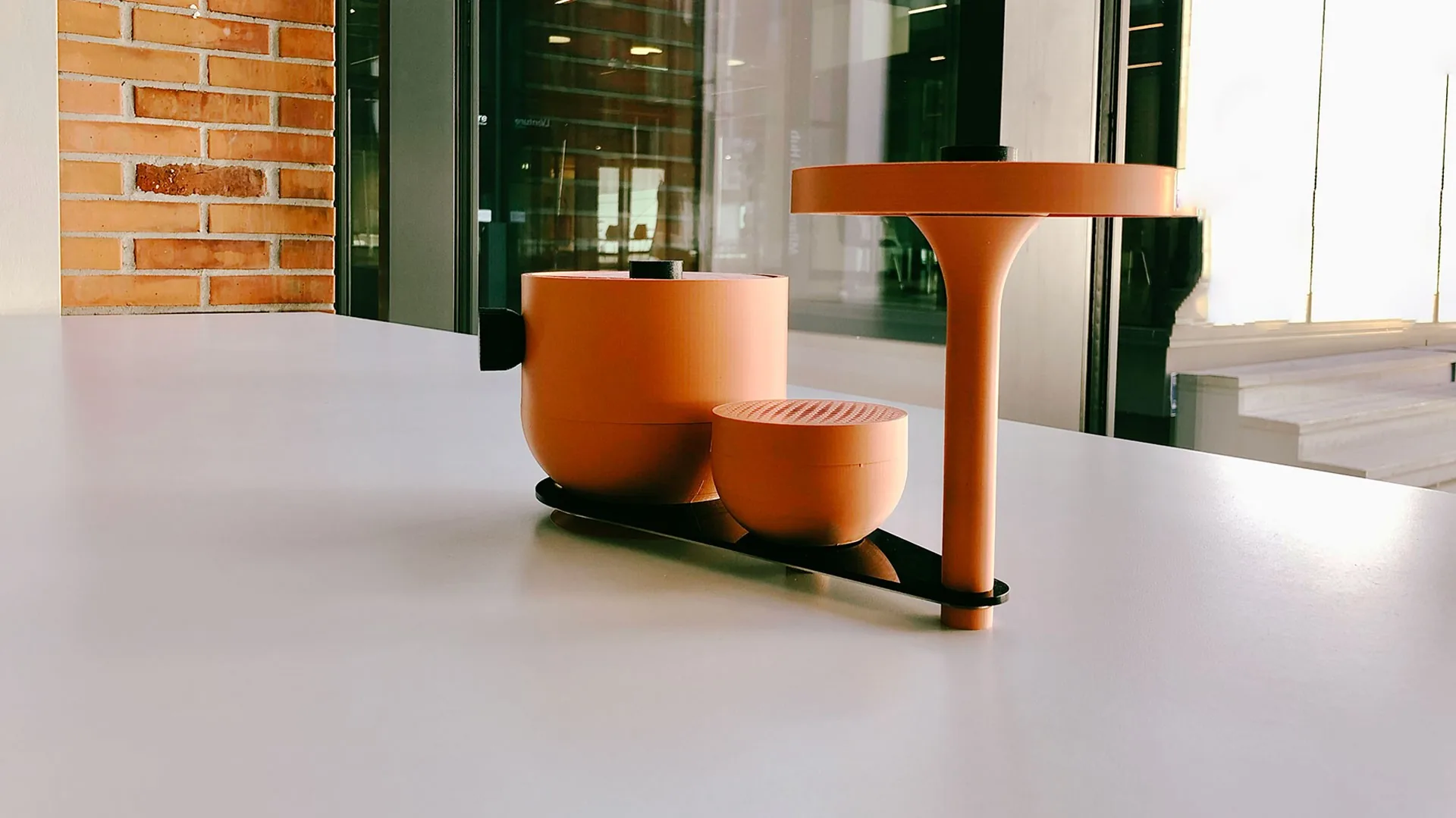
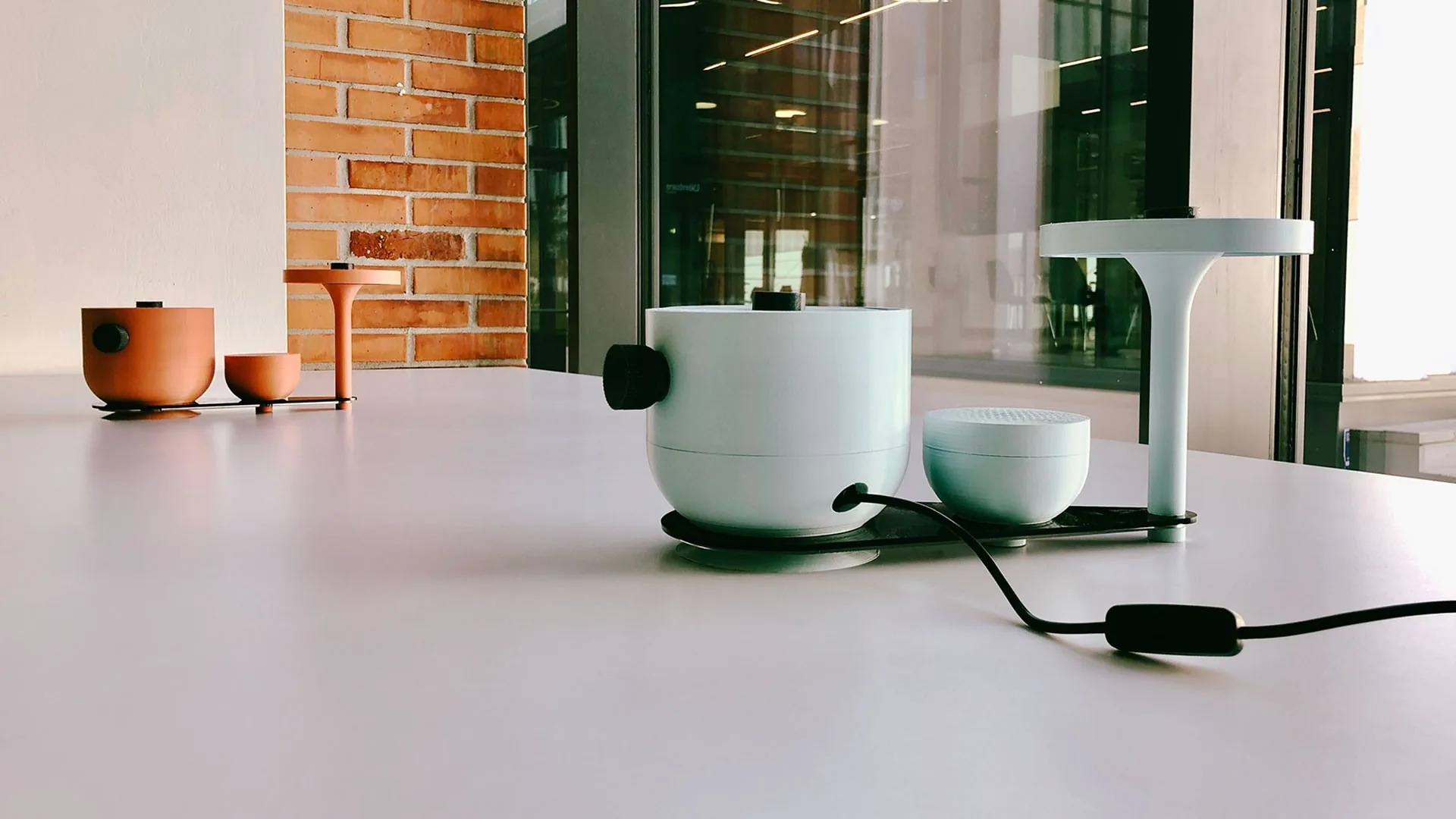
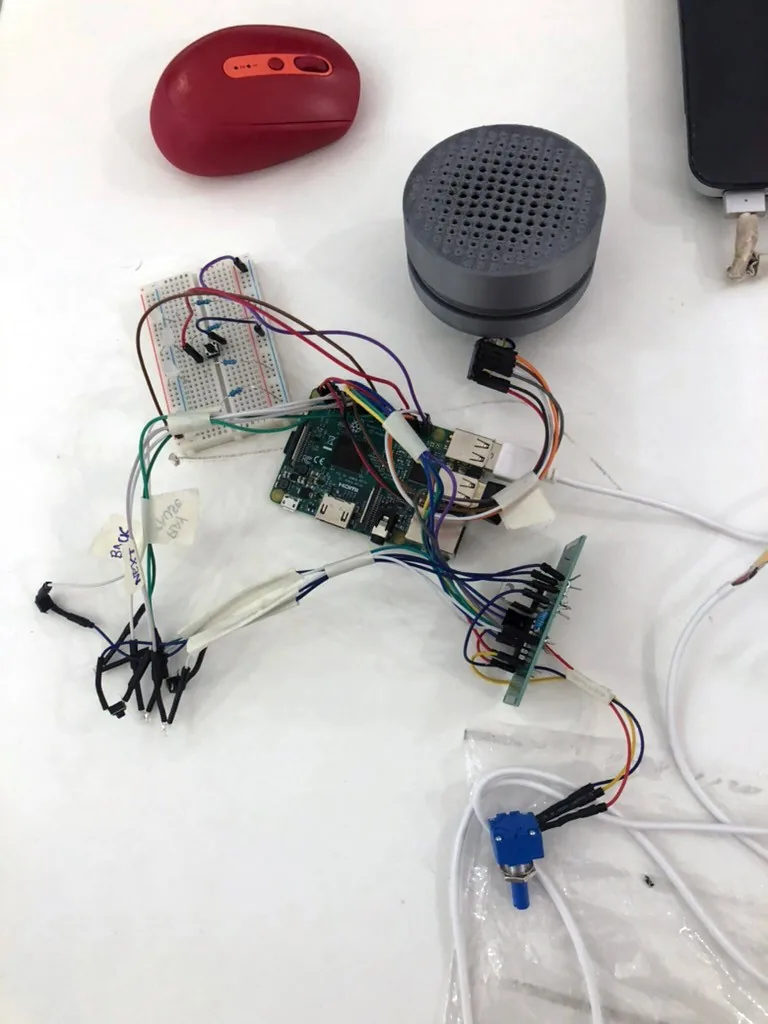
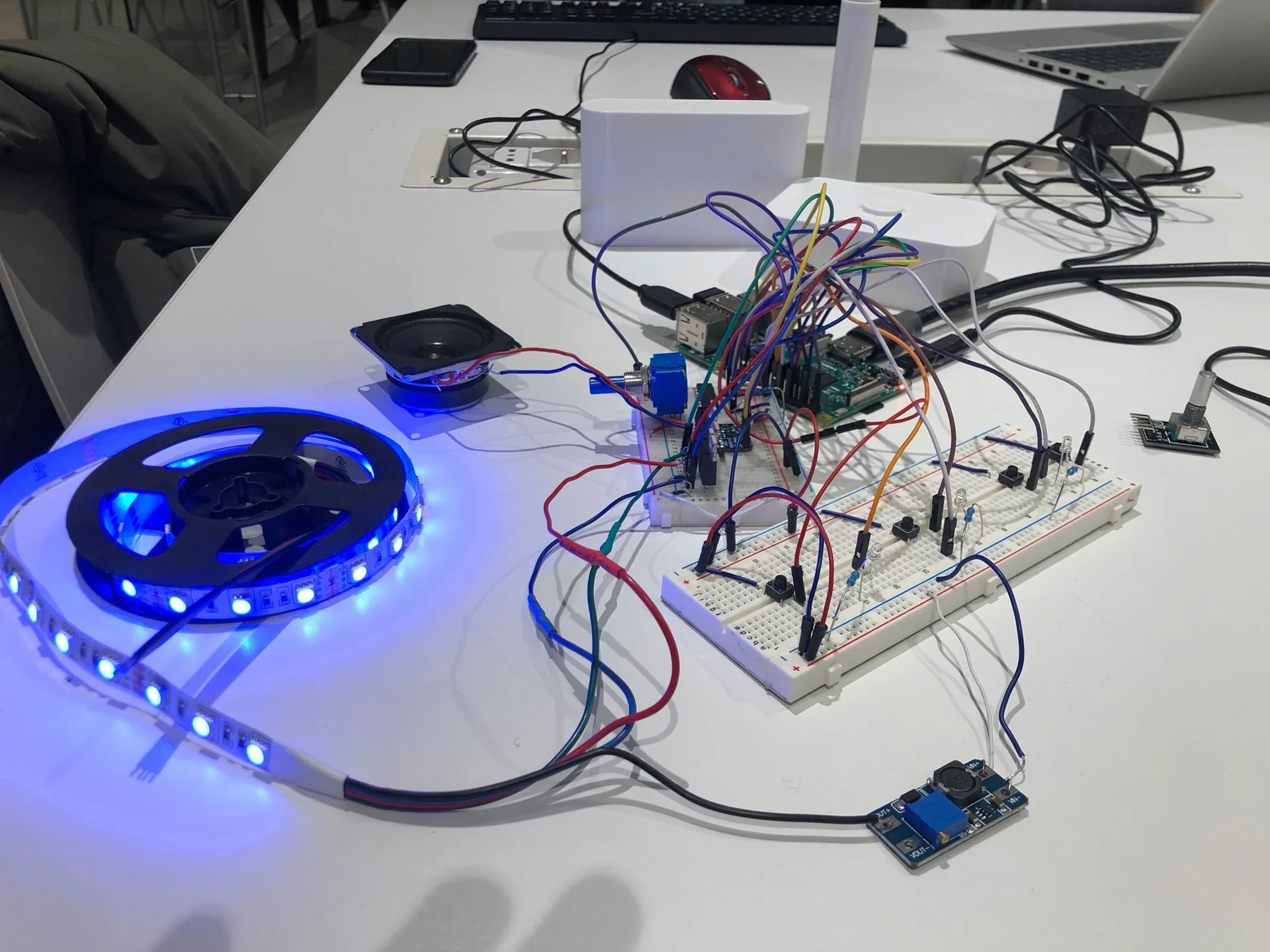
At the heart of the device is a Raspberry Pi, which runs the structured audio descriptions and provides detailed information. Interaction is simple and immediate, with three physical buttons that are easy to recognise by touch for moving smoothly through the content. It includes a soft built-in light, useful both for people with some residual vision and for those who need discreet lighting, and a Bluetooth speaker, so that Sherlock can also be used as a speaker for phones and tablets.
It has an easily accessible microSD card slot, so the audio content can be updated easily without technical support, and the information can be managed flexibly. It is also ready for multiple languages, so that the descriptions can be adapted to people’s needs and to the context of use.
Built with digital fabrication technologies, Sherlock combines 3D printing and laser cutting with hand soldering of the electronic components, which makes the device highly replicable and adaptable to different contexts.
Development, prototyping and future prospects
Sherlock was developed through a process based on research, experimentation and testing with people. The team built several versions of the prototype, progressively refining both the hardware and the user experience.
The tests confirmed the effectiveness of the system, demonstrating the value of Co-Design as an approach to developing accessible and genuinely functional solutions. The ADI Design Index 2023 further underlined its importance.
Looking ahead, the project is already designed to be adapted to new scenarios, extending the potential of the device to settings such as museums and public spaces. Sherlock’s open architecture (open source, under Creative Commons) allows it to be modified, making it a versatile and scalable solution.
Would you like your guests to be independent, even with severe low vision?
From descriptions of spaces to wayfinding devices, designed with the people who will use them: what helps people with limited sight remains useful to every guest.