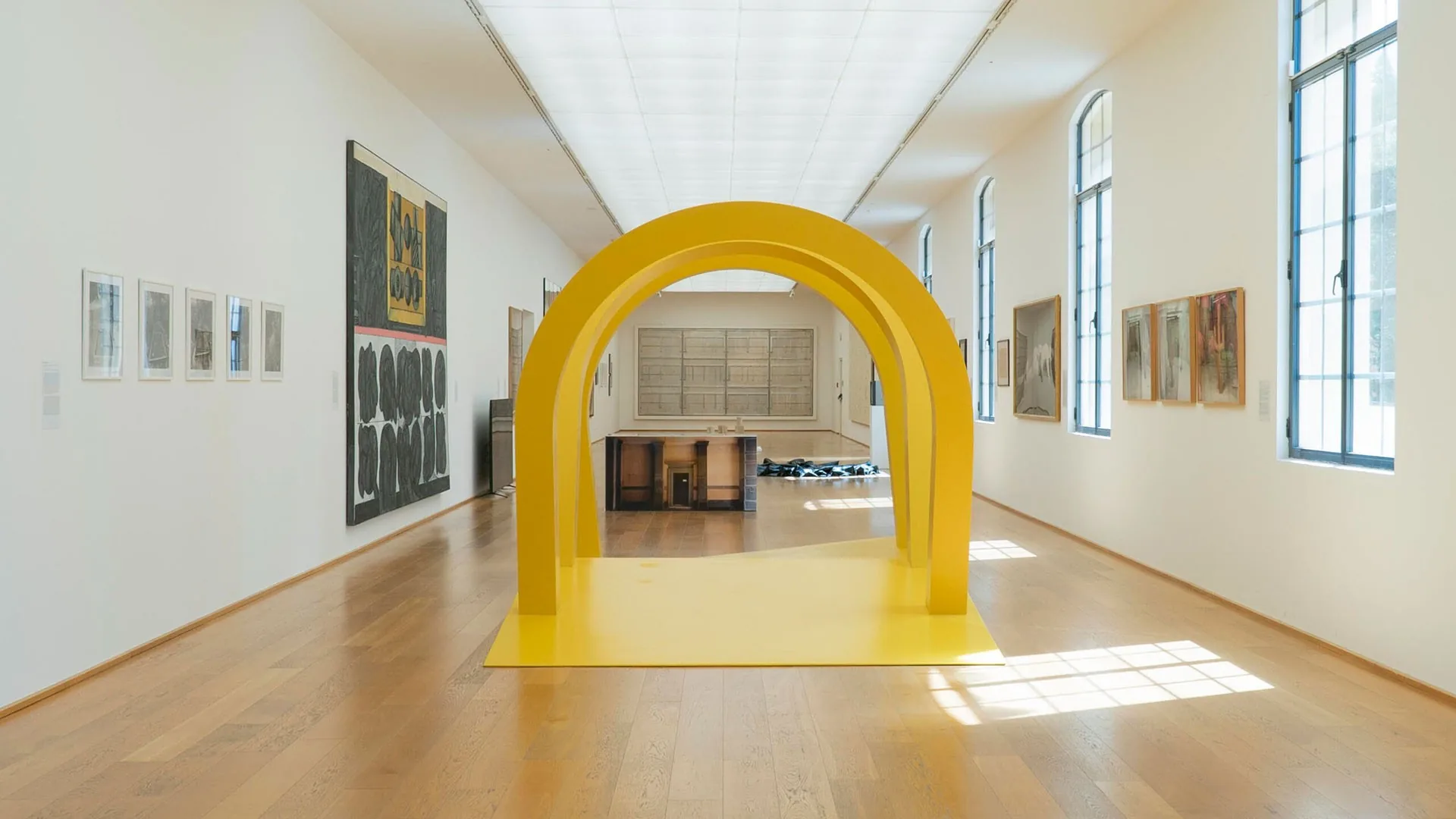
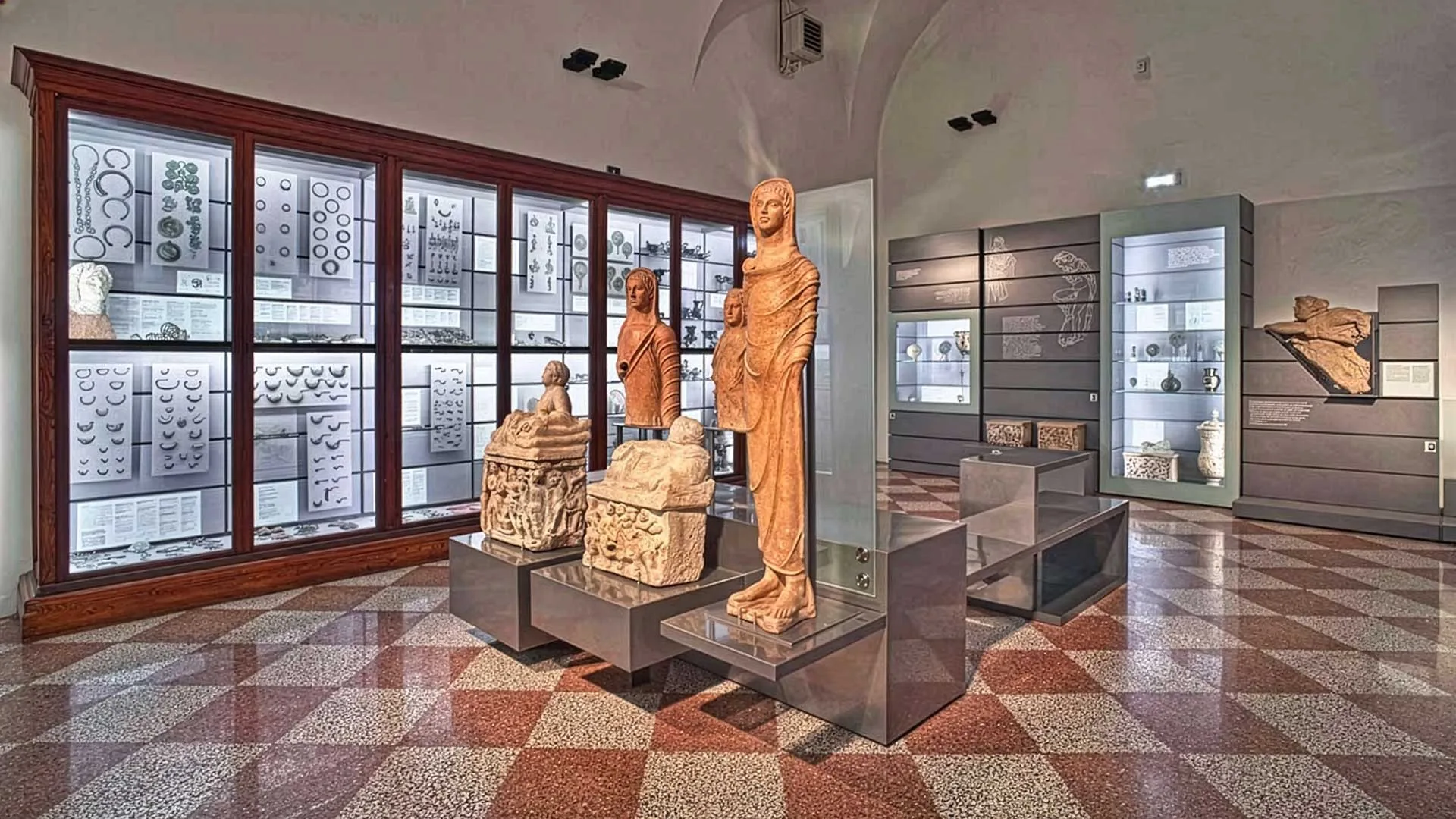
Accessible museums: Bologna Civic Museums
An accessible museum is not a simplified museum
A complex museum system can become more inclusive only when accessibility becomes a strategy for design, culture, management and the relationship with the public.
Within the programme developed by Design for All Italia for the Bologna Civic Museums, Rodighiero.Design for All helped to build the Design for All process, with particular attention to understanding needs, synthesising the data collected, and defining design criteria, meta-design solutions (guidance that sets the framework for later projects), operational guidelines and tools for the accessible and inclusive development of the museum system.
In collaboration with: Design for All Italia, University of Ferrara, architect Michele Marchi, Pete Kercher, Alessia Planeta, Claudio Cervelli, Studio Total Tool.
Making a museum accessible does not simply mean removing physical barriers or adding panels or special devices to an experience that has already been defined. It means rethinking the whole system: how people arrive, find their way, understand, choose, pause, move through the spaces, encounter the works, read the content and remember the experience.
In complex museum systems, every isolated intervention risks producing partial improvements that are costly and hard to coordinate. Value arises instead when accessibility, storytelling, exhibition design, communication, comfort, management and training are read as interdependent parts of the same cultural experience.
Cultural accessibility: visible and invisible barriers in cultural venues
An accessible museum is not a simplified museum
Accessibility is not a separate part of the project. It is the way the project becomes more strategic, more legible and better able to build audiences.
- 12 museum sites considered as part of a single cultural ecosystem.
- More than 10 Co-Design workshops with staff, stakeholders and others involved.
- More than 150 participants in the process of listening and discussion.
- More than 1,200 requirements collected, traced back to some 400 distinct needs and translated into design criteria.
- More than 15 main documents and technical annexes, prepared to guide future transformations.
A museum system, not a single building
The work on the Bologna Civic Museums concerned an extensive and varied cultural system, among the most complex in the Italian museum landscape: different sites, different collections, varying spatial conditions, multiple audiences, and historical, management and organisational constraints that cannot be reduced to a single solution.
In this context, the Design for All approach made it possible to move beyond a piecemeal reading of accessibility, building a frame of reference able to connect people’s needs, the problems of the places, intervention priorities and the real possibilities for transformation.
Complexity was not simplified: it was organised, made legible and turned into working criteria.
Accessible museums and Design for All: towards a new alliance between culture, people and design
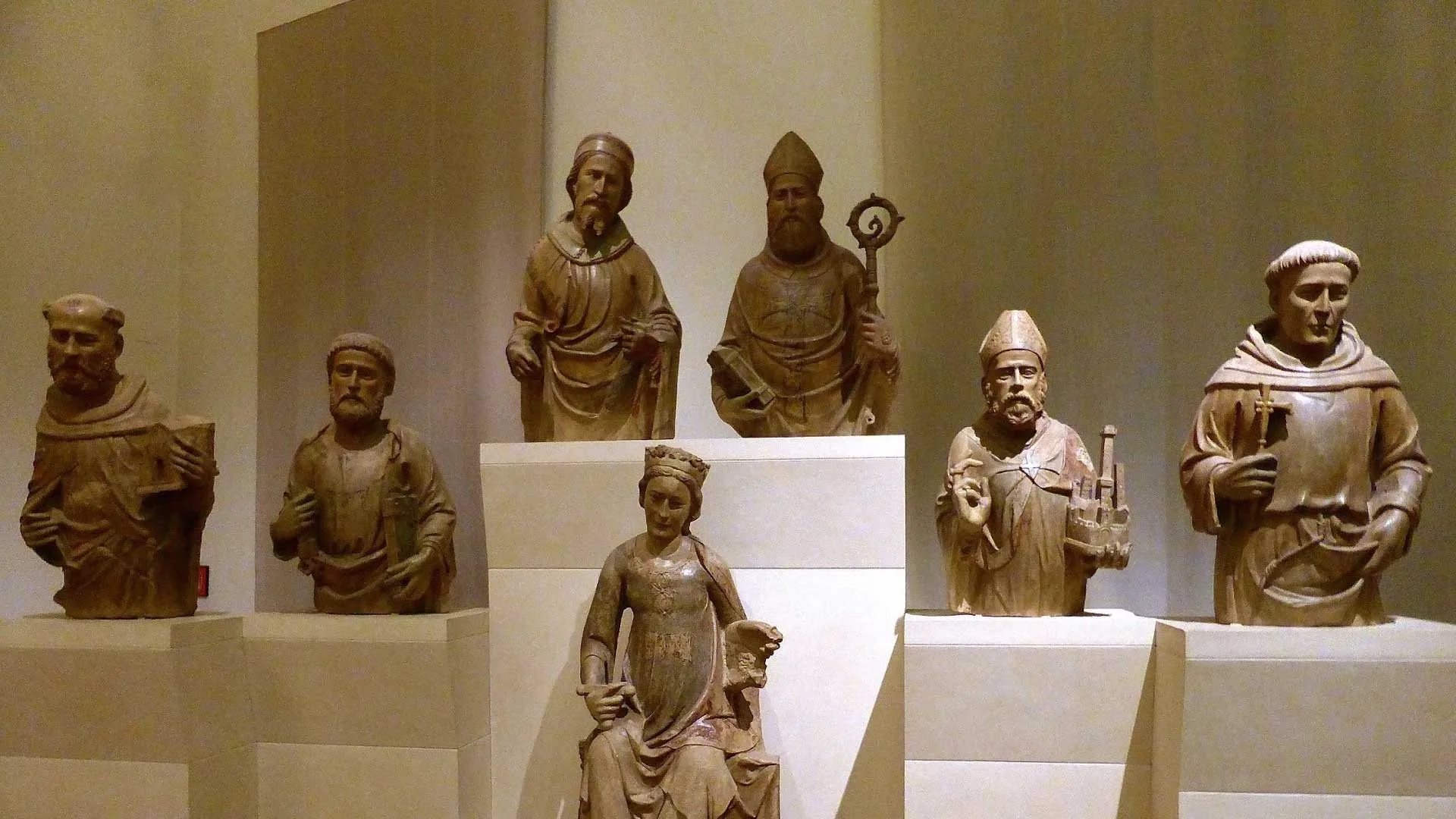
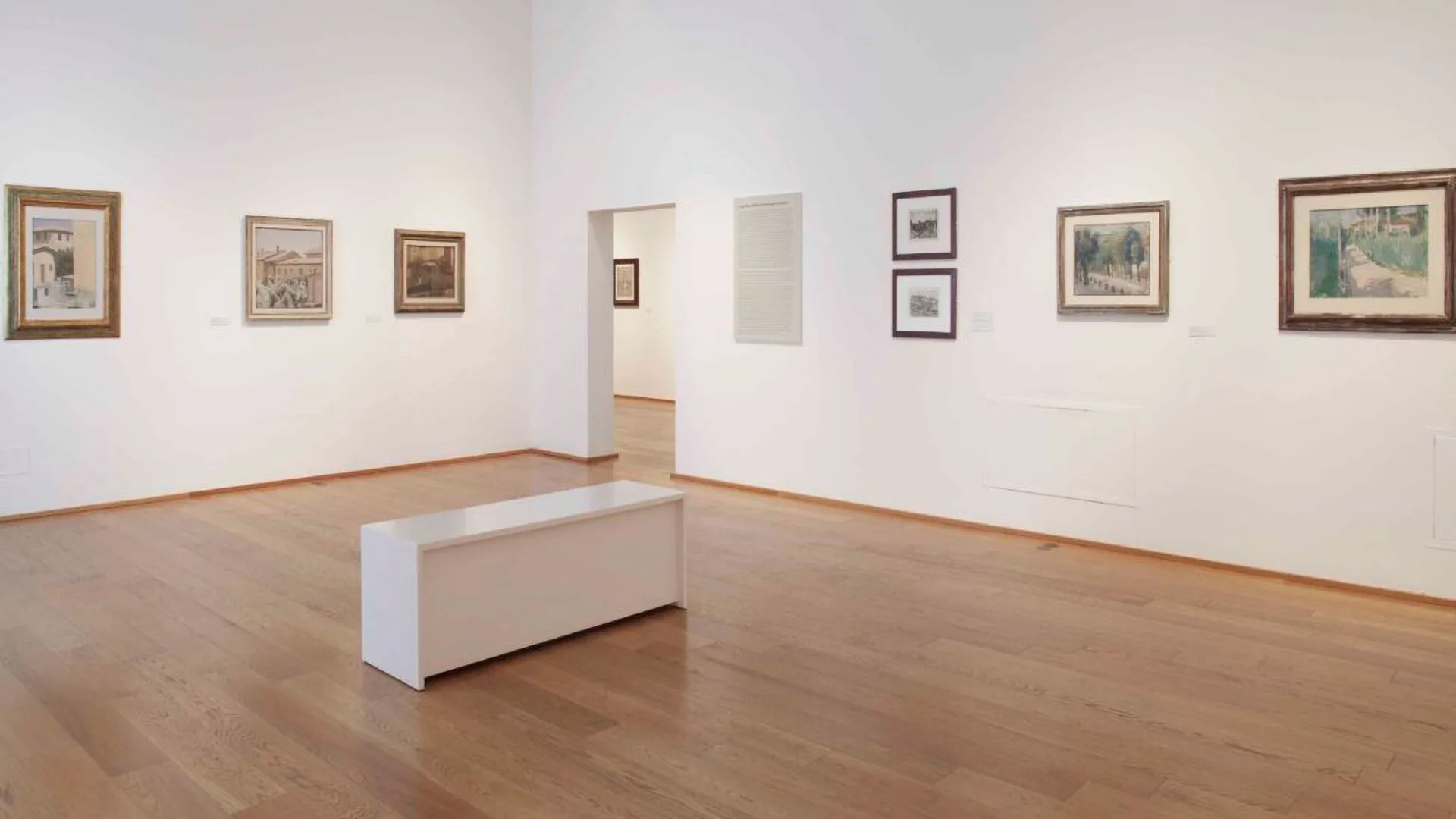
A multidisciplinary team
Within the project coordinated by Design for All Italia, Rodighiero.Design for All helped to turn the data collected through training, listening, site visits and Co-Design into a system of design criteria, meta-design solutions and operational guidance.
Above all, the work involved making sense of the complexity that emerged and translating it into usable tools: not an archive of problems, but a design framework able to guide decisions, priorities, investment and future developments.
- Analysis and interpretation of needs, to turn qualitative and quantitative data into design knowledge.
- Synthesis of physical, sensory, cognitive, informational and organisational problems, read as parts of a single experiential system.
- Definition of design criteria, to guide future transformations without reducing them to standard solutions.
- Development of meta-design solutions, as a strategic basis for interventions, concepts, guidelines and operational tools.
- Contribution to the Design Guidelines, conceived as a critical and operational tool to support future decisions.
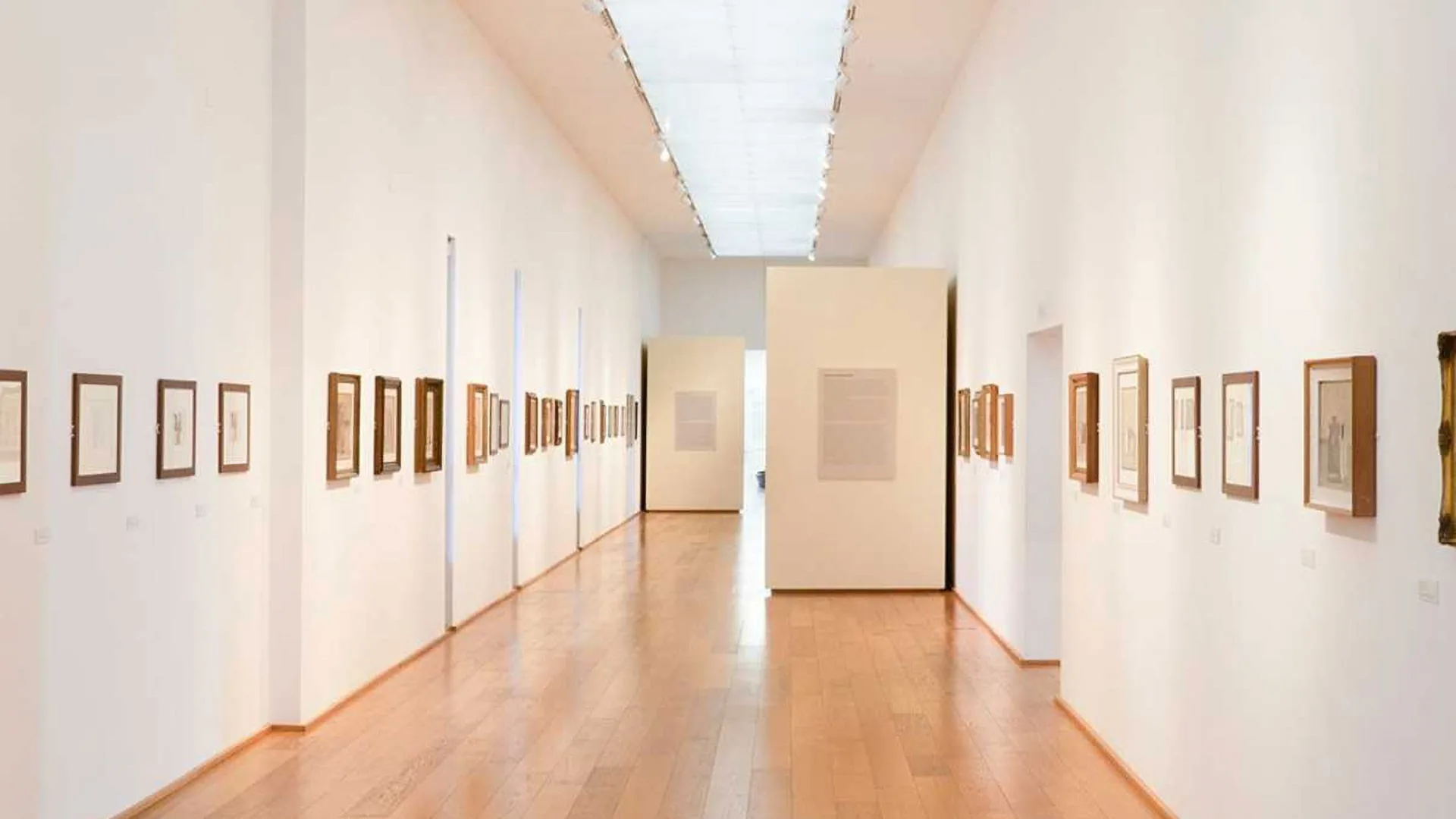
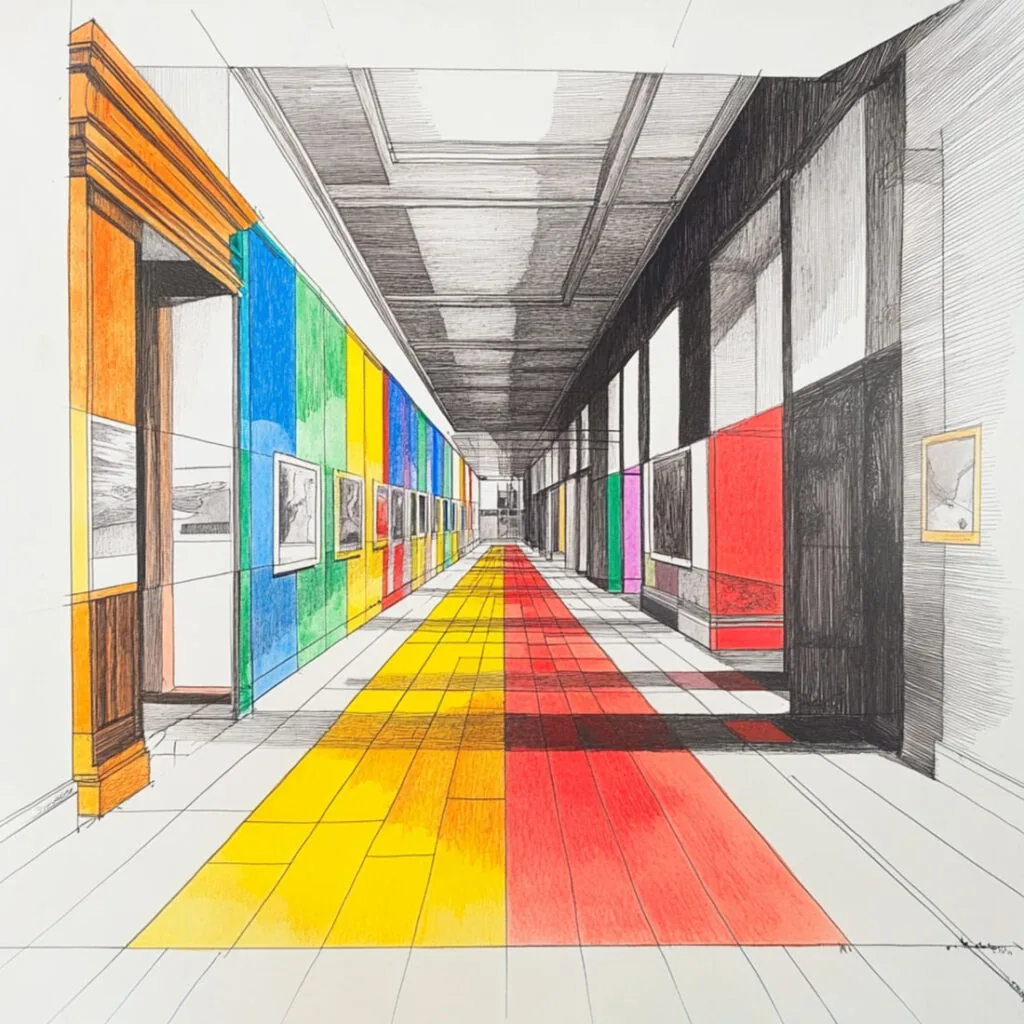
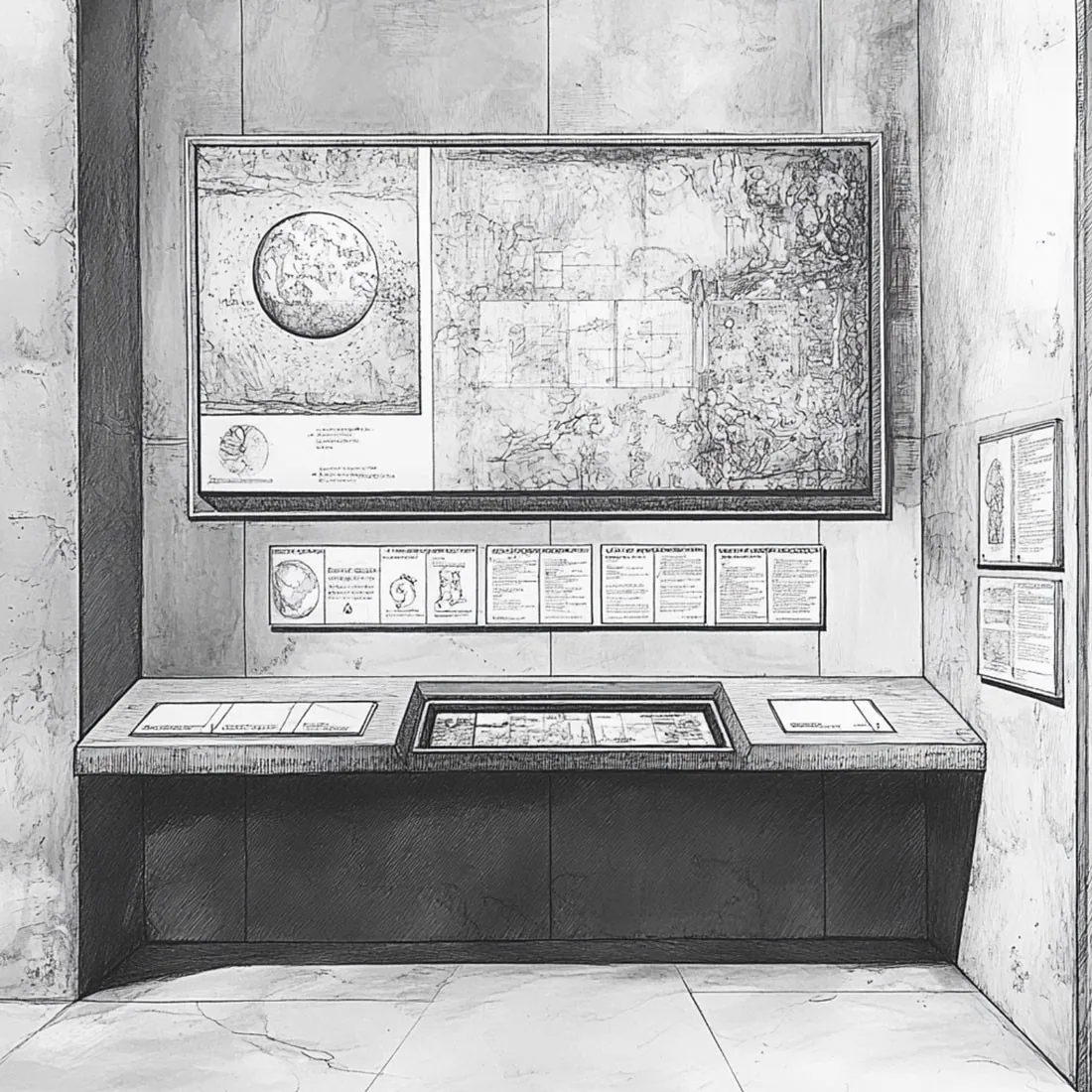
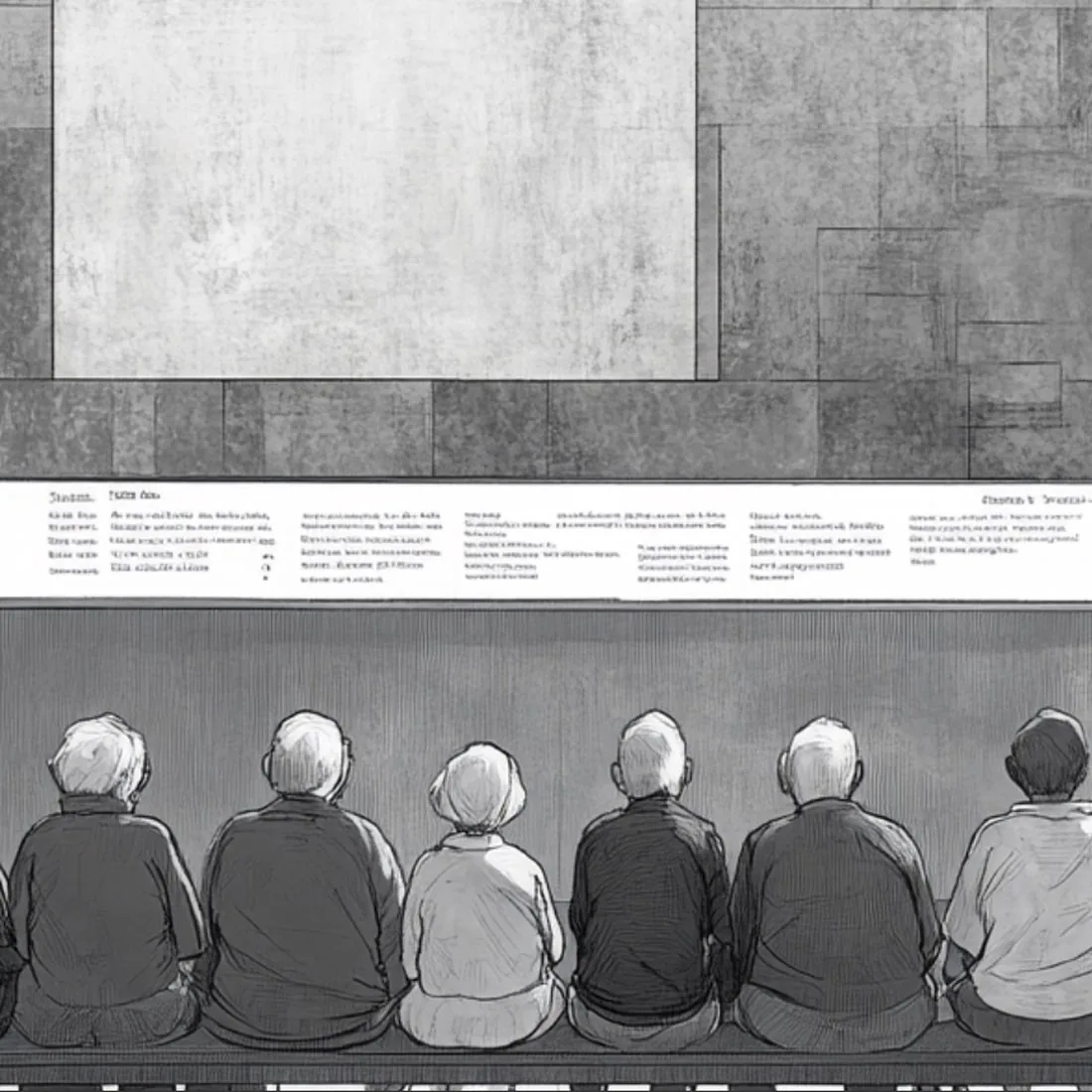
Illustrative concepts developed by the Department of Architecture of the University of Ferrara as part of the project for the Bologna Civic Museums. The images give visual form to some of the meta-design solutions developed by Rodighiero.Design for All within the programme coordinated by Design for All Italia. The diagram of the seven criteria draws on Peter Morville’s “UX Honeycomb”.
Design for All Process: the Florence event of 17 October 2026
Complexity was not simplified: it was organised and made legible.
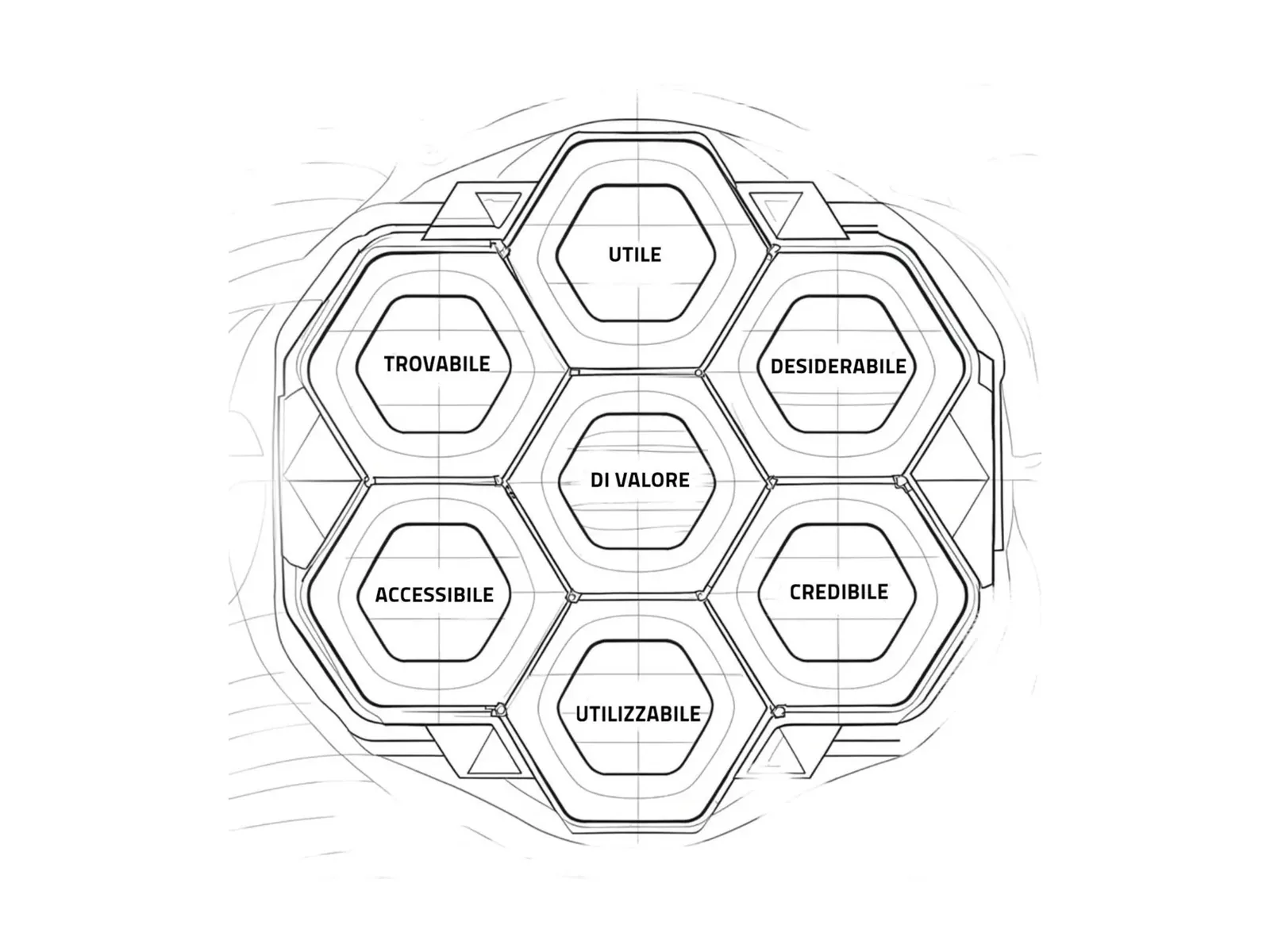
The expected benefits, to be verified as the interventions are implemented:
- A better quality of visit, because wayfinding, communication, comfort and accessibility become part of the same experience.
- Broader and more engaged audiences, not through simplification but through greater usability and independence.
- More coherent investment, because priorities stem not from isolated emergencies but from a systemic reading.
- Greater institutional authority, because inclusion becomes a visible and verifiable cultural choice.
- Tools that can be reused over time, able to guide calls for tender, commissions, phased interventions, training and monitoring.
Why this process creates value
An accessible museum does not simply increase its compliance. It increases its capacity to be understood, moved through, remembered and chosen. It improves the quality of the experience for different audiences, reduces the fragmentation of interventions, clarifies priorities and makes it possible to turn limited resources into more coherent action.
For a cultural institution, this means building a shared basis for decisions: setting priorities, directing resources and turning isolated interventions into a progressive, coherent strategy.
The ROI of accessibility: the economic dividend of Design for All
Accessibility as a process, not an isolated intervention
When accessibility becomes part of decision-making, it does not only improve use: it raises institutional quality, strengthens public or private investment and reinforces the relationship between cultural heritage and the community.
The project in numbers
- Coordination
- Design for All Italia
- Collaboration
- Department of Architecture, University of Ferrara
- Sites
- 12 museum sites
- Training sessions
- 3 training and initial listening sessions
- Questionnaires
- more than 80 anonymous questionnaires
- Workshops
- more than 10 Co-Design workshops
- Participants
- more than 150
- Requirements
- more than 1,200 requirements collected, some 400 distinct needs
- Thematic areas
- 6 thematic and operational areas
- Documents
- more than 15 main documents and technical annexes
Source: Design for All Italia case study (opens in a new tab)
Would you like to make your museum accessible to all its audiences?
From listening to audiences to guidelines: criteria and intervention priorities for a single museum or an entire museum system.