InsightsCulture and tourismEssay
Why is flexibility the real challenge of accessible design?
Design challenges and flexibility: reflections on designing for accessibility
An accessible cultural space is not finished once and for all: exhibitions, audiences and languages change. Francesco Rodighiero’s video lecture for the Scuola nazionale del patrimonio (Italy’s National School of Heritage) treats flexibility as a design skill, covering communication, wayfinding, mediation and an example from the Bologna Civic Museums (Musei Civici di Bologna).
· updated 4 min read
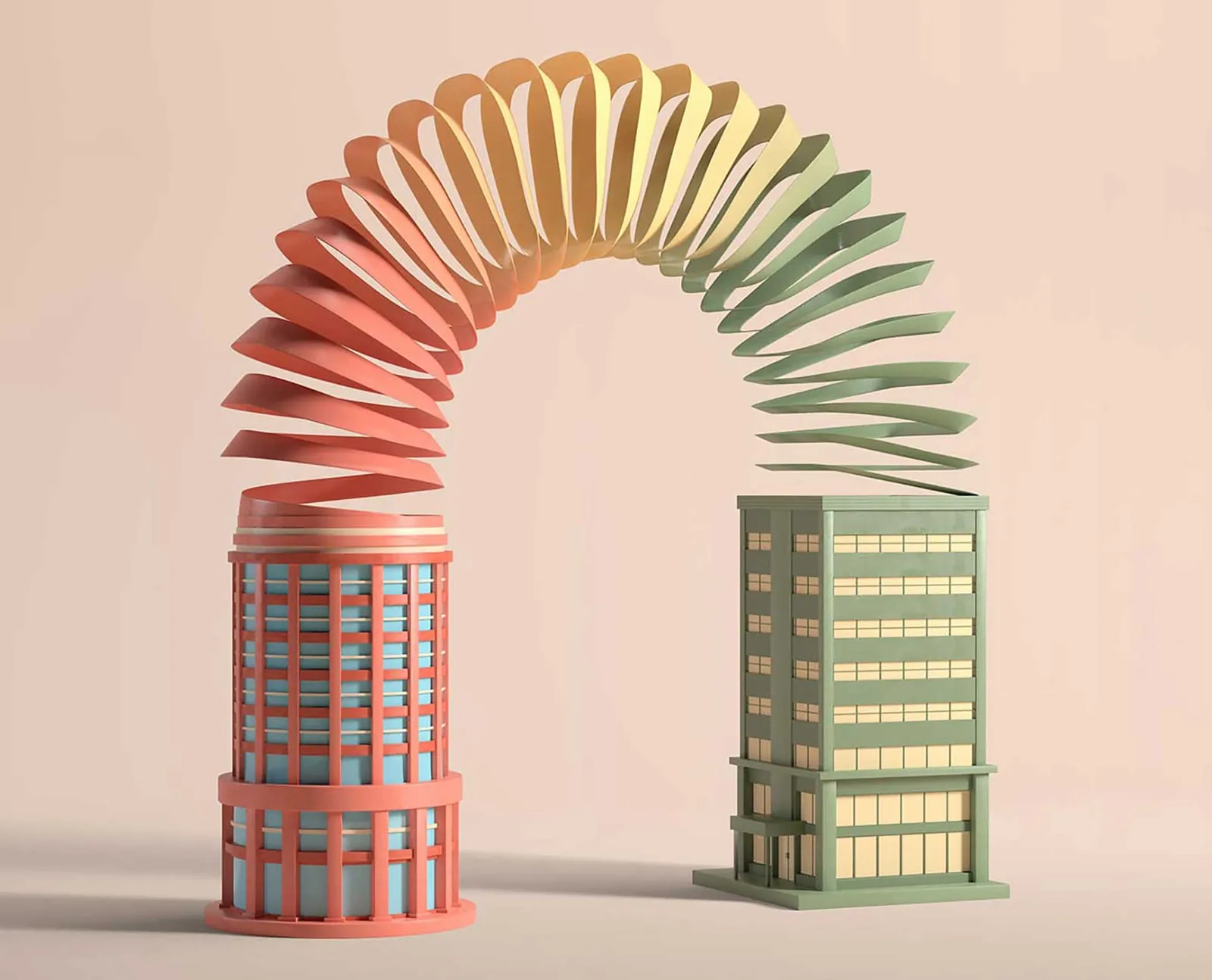
An accessible cultural space is not finished once and for all. When an exhibition changes, so does the way people move through it and understand it; when audiences and languages change, so do the questions the space must answer. A design that does not anticipate these changes will start excluding someone again the first time the space is transformed. This is why flexibility is a condition of accessibility, and why design has to be able to manage it.
Francesco Rodighiero contributed to the course “Progettare accessibile: dal cucchiaio alla città (opens in a new tab)” (Designing for accessibility: from the spoon to the city), run by the Scuola nazionale del patrimonio e delle attività culturali (Italy’s National School of Heritage and Cultural Activities) as part of the Personeper – Accessibilità nei luoghi della cultura (opens in a new tab) programme on accessibility in cultural venues, and co-organised with Italy’s National Council of Architects, Planners, Landscape Architects and Conservators. His contribution offers a timely and necessary reading of inclusive design. His video lecture, “Sfide progettuali e flessibilità” (Design challenges and flexibility), addresses one of the most complex issues in contemporary design: how to create spaces that can welcome diversity without sacrificing identity, coherence and quality.
Progettare accessibile is a course of three modules totalling 30 hours, delivered online on the School’s platform; access requires registration.
The Progettare accessibile courseThe course (opens in a new tab)
Beyond method: a way of looking at design
Rodighiero’s contribution does not offer a model to imitate, but a perspective. Underlying it is the idea that accessibility is not a sum of technical requirements, but a way of interpreting the reality of cultural venues. Accessible design grows out of listening to places and people, out of attention to vulnerabilities, whether permanent or temporary, and out of the awareness that every public place is used by people with different needs.
This is the meaning of the Design for All process, which we describe in full: it begins by involving people and proceeds through successive checks, not in a linear sequence, to give form to spaces that can be questioned and that remain open to change.
Flexibility as a design skill
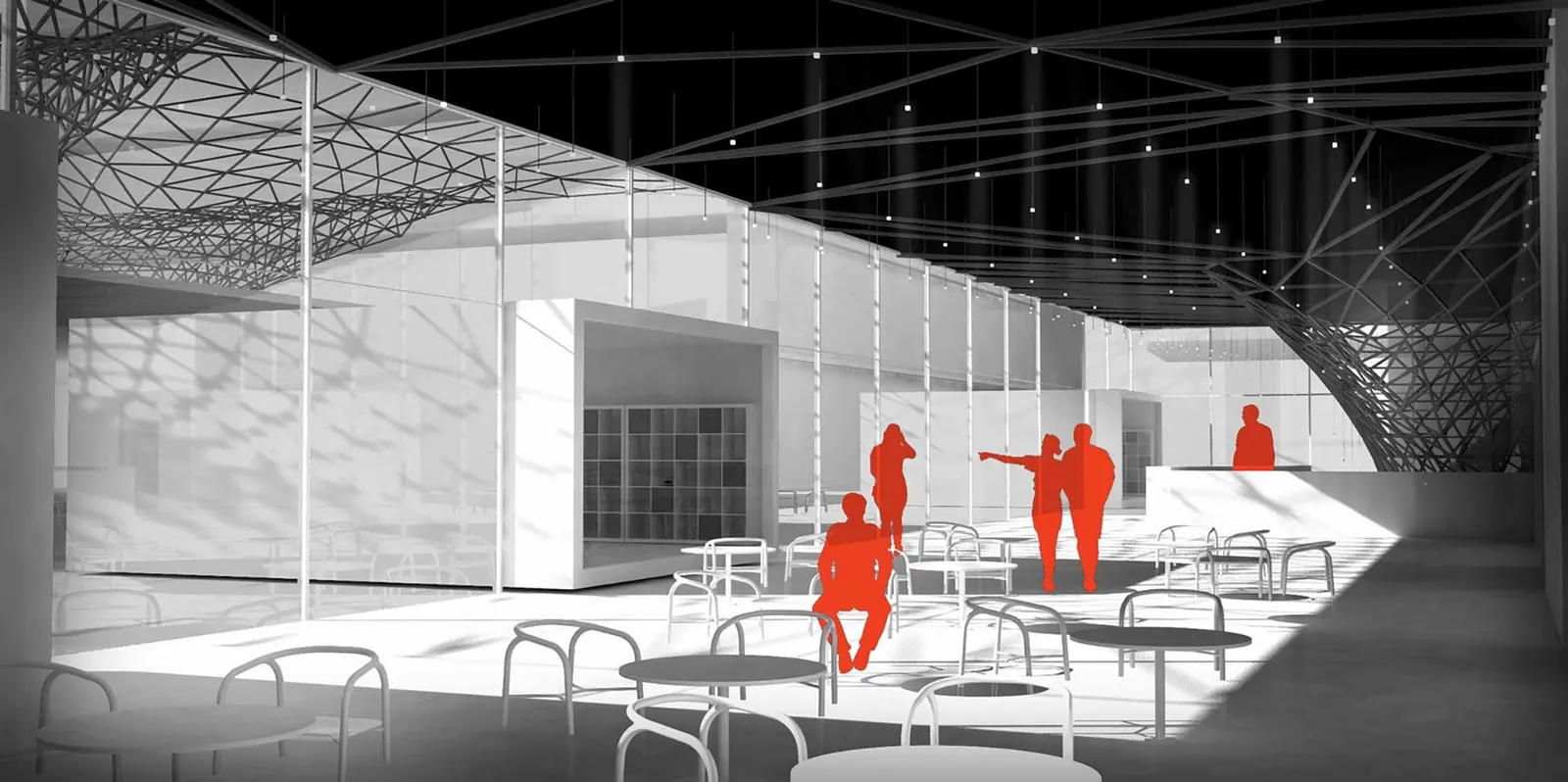
According to Rodighiero, flexibility is a design skill, not simply a technical feature. Cultural spaces change over time: exhibitions are transformed, audiences shift, languages and ways of inhabiting spaces evolve. To be genuinely inclusive, architecture must anticipate these changes and turn them into resources.
Flexibility does not mean indecision, but the ability to maintain continuity through change. It is a form of care for the different people who experience cultural venues. The same theme runs through the European libraries analysed in Cultural accessibility: visible and invisible barriers.
Communication and wayfinding
A significant part of the lecture concerns communication, understood as a cultural infrastructure alongside the architectural one. Texts, symbols, signage, graphic displays: everything helps to shape the visitor’s experience.
Similarly, wayfinding is not just a technical matter: it is an act of responsibility towards people’s independence.
Welcoming visitors: cultural mediation and staff training
Finally, cultural mediation and staff training emerge as essential to turning a space into a genuinely welcoming environment.
Rodighiero’s lecture does not close the discussion; it opens it. It calls for continuous learning and for the ability to read cultural spaces critically as complex systems, in which accessibility and quality are inseparable.

An example
In the work for the Bologna Civic Museums, the design guidelines were conceived as a guiding, process-based tool: they set out criteria that remain valid as exhibition layouts and services change, rather than fixing a definitive configuration.
The Design for All process as a design and strategic lever
Every project calls for a sense of design responsibility that can translate complexity into clear, inclusive and lasting choices. The Design for All process makes it possible to steer ideas and tools towards solutions that are genuinely useful to people and places.
If you would like to find out more about our approach and our dedicated consultancy, you can explore our areas of work.
In our projects
Read next
- InterviewBologna Civic Museums: the need before the buildingWhy should an accessibility plan start from needs rather than from the building?
- EssayCultural accessibility: visible and invisible barriers in cultural venuesWhich barriers, visible and invisible, keep people away from cultural venues?
- EssayAccessible museums and Design for All: towards a new alliance between culture, people and designHow can a museum become accessible to all its visitors?
Spaces that can change
Exhibition layouts, services, signage: we work with cultural institutions to design spaces that remain accessible even as they change.