InsightsCulture and tourismEssay
How can a museum become accessible to all its visitors?
Accessible museums and Design for All: towards a new alliance between culture, people and design
A museum is accessible when every person can plan their visit, find their way, understand its collections and feel welcome: physical barriers are only part of the picture. The case of Bologna’s 12 civic museums, the process from Co-Design to guidelines, the legislation in force and where to begin.
· updated 7 min read
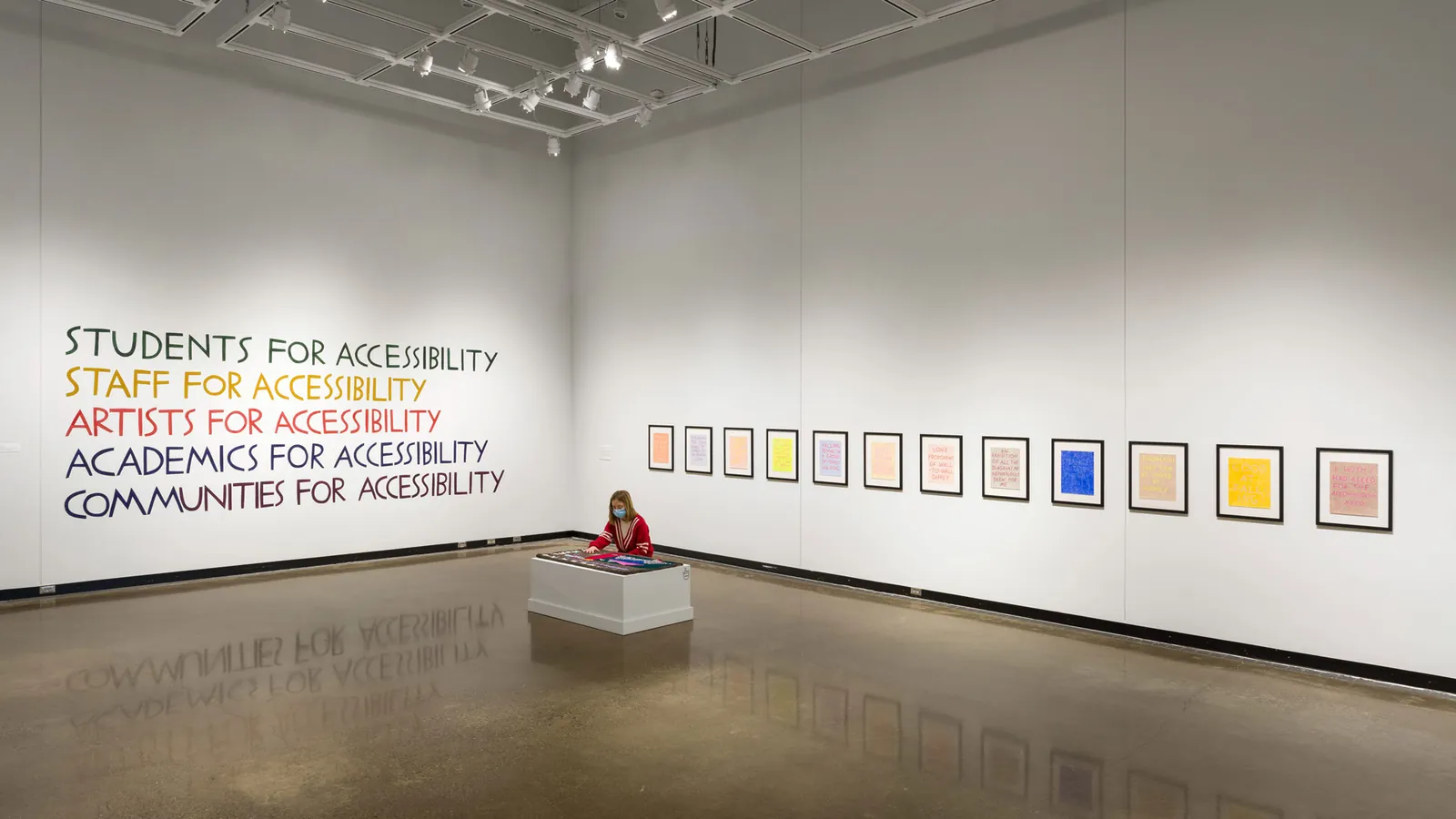
A museum is accessible when every person can plan their visit, get there, find their way around, understand its collections and feel welcome, independently and with the option of choosing the support they need. Removing physical barriers is necessary but not sufficient: a museum’s accessibility also depends on communication, organisation, staff training and its relationship with its audiences.
Design for All addresses this complexity by designing from diversity: it treats the variety of visitors as something that drives the design rather than an exception to be managed, and involves people from the outset through Co-Design. This is the approach Design for All Italia took to the accessibility of the Bologna Civic Museums (Musei Civici di Bologna).
In recent years, European museums have progressively broadened their understanding of accessibility to include sensory, cognitive, social and relational aspects: the visible and invisible barriers described in Cultural accessibility. Yet the models in use often remain fragmented, focused on technical intervention and lacking a process that can be transferred from one place to another.
The Bologna case studyThe Bologna case
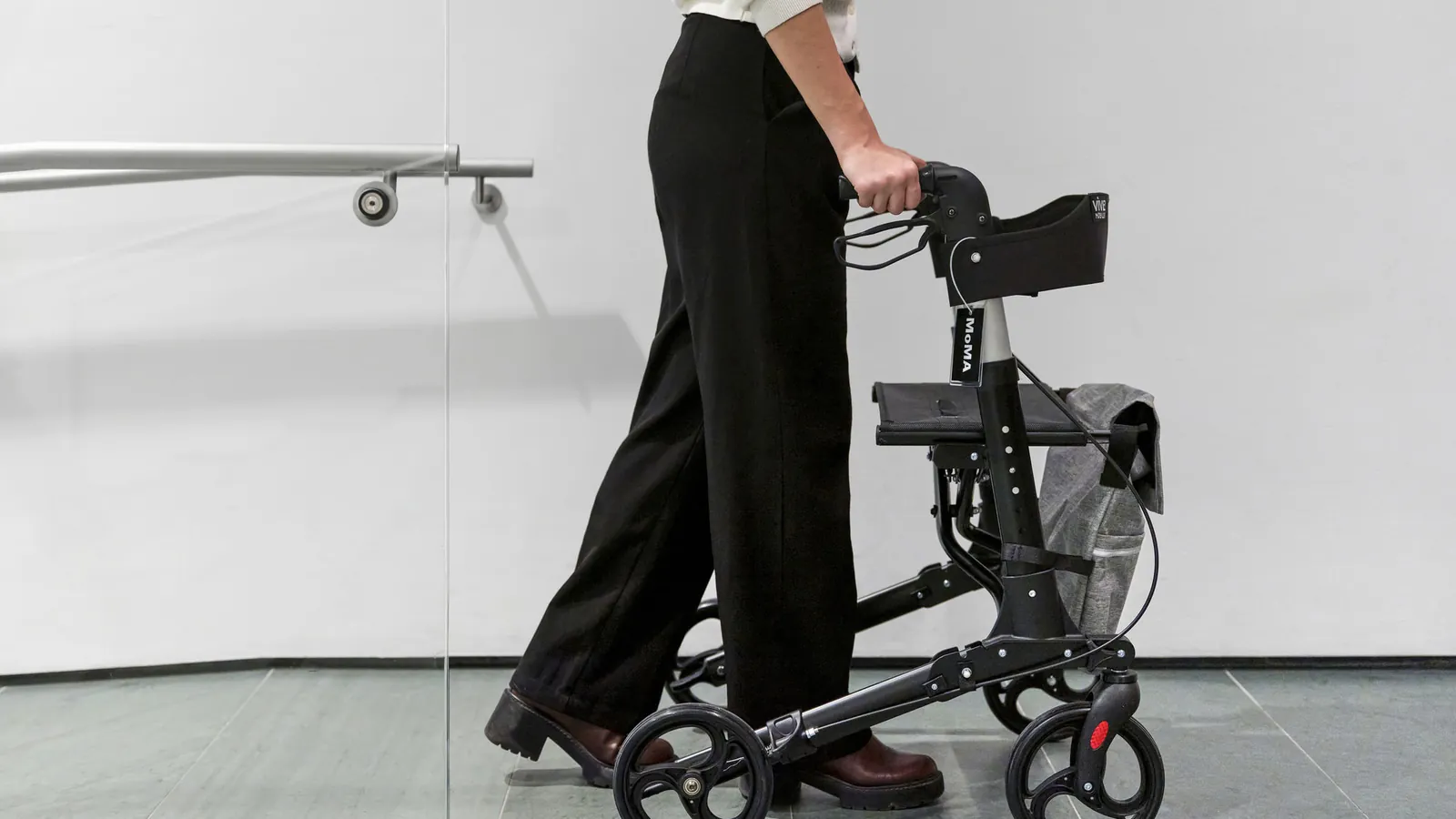
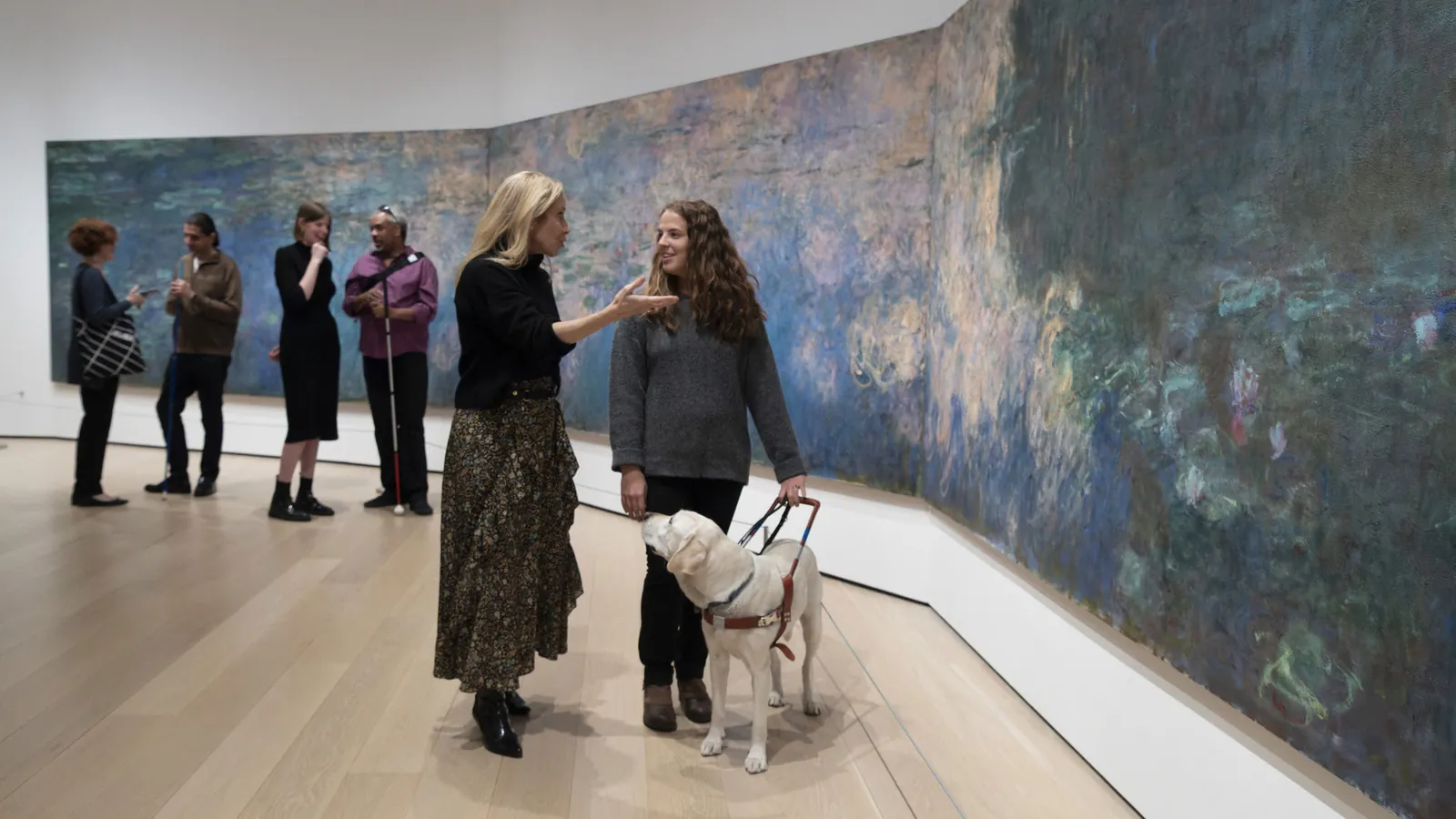
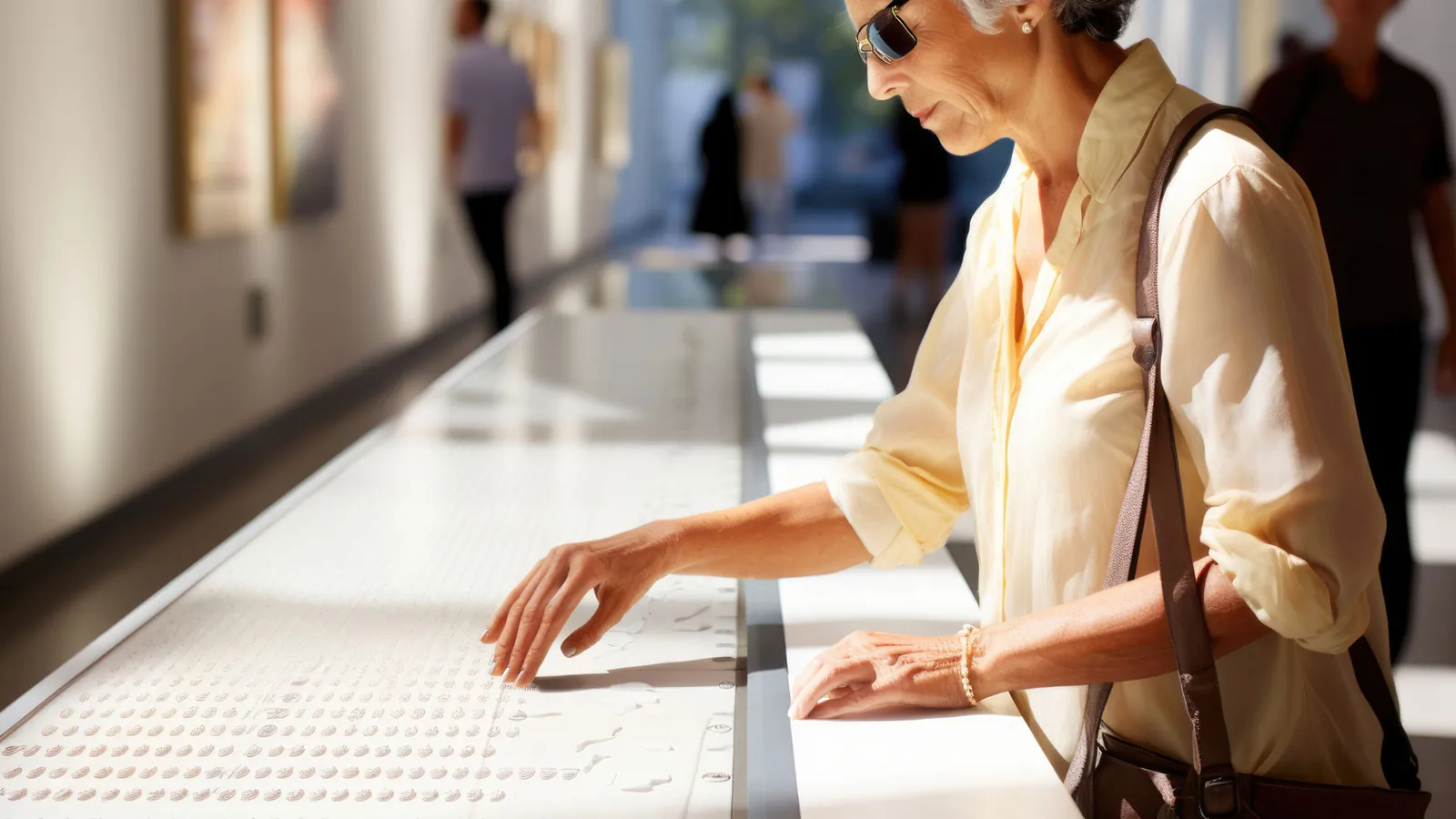
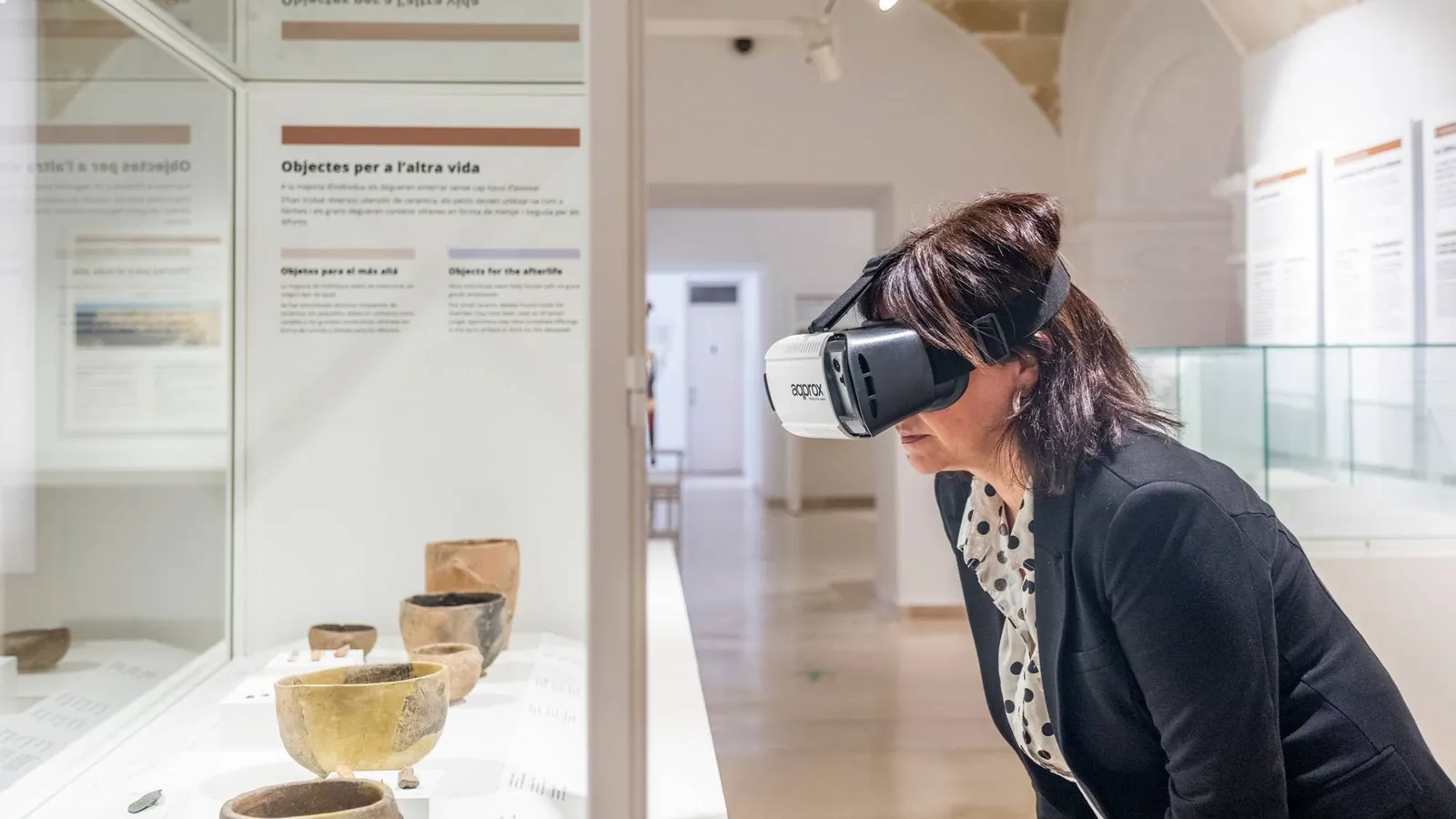
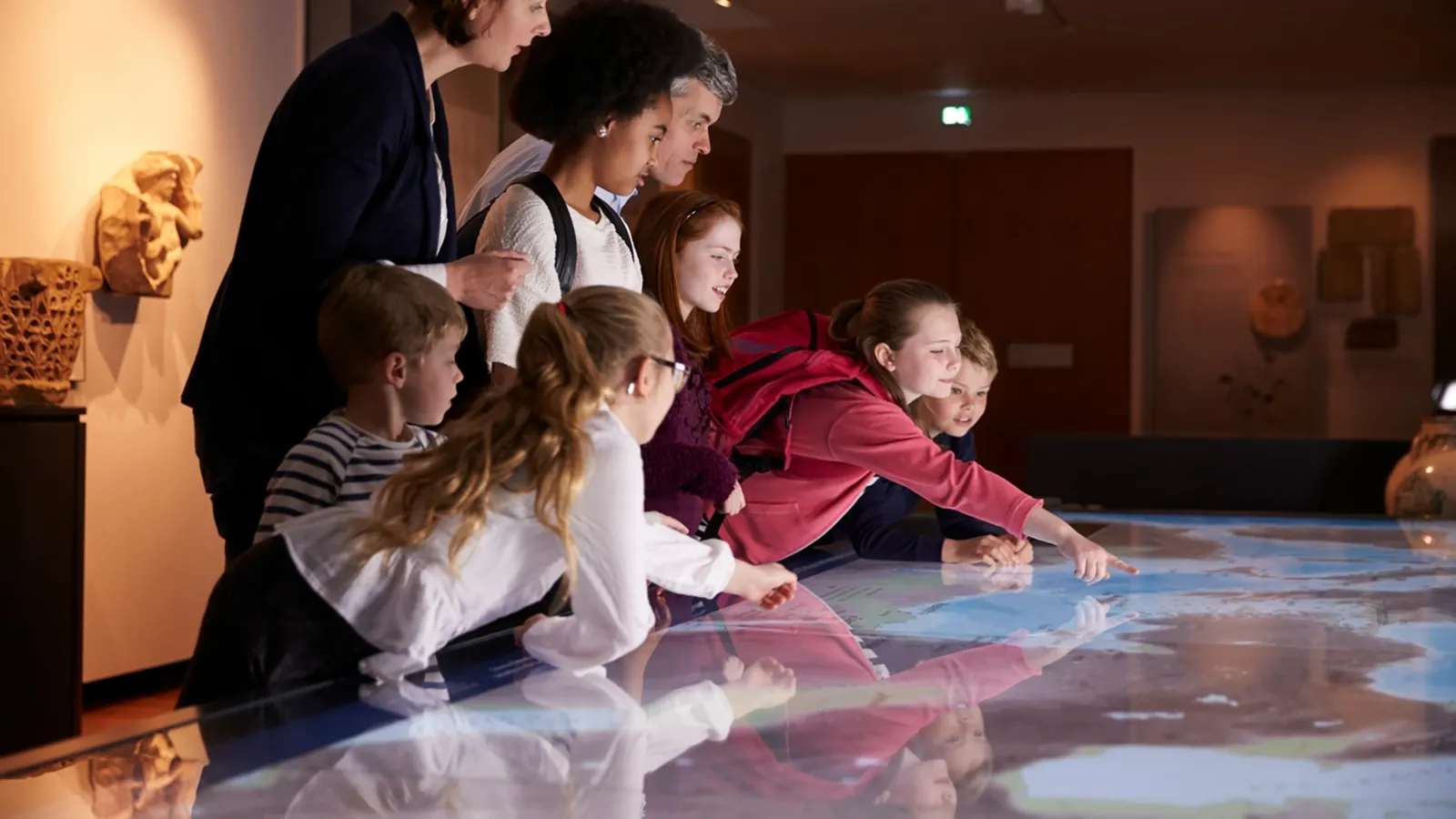
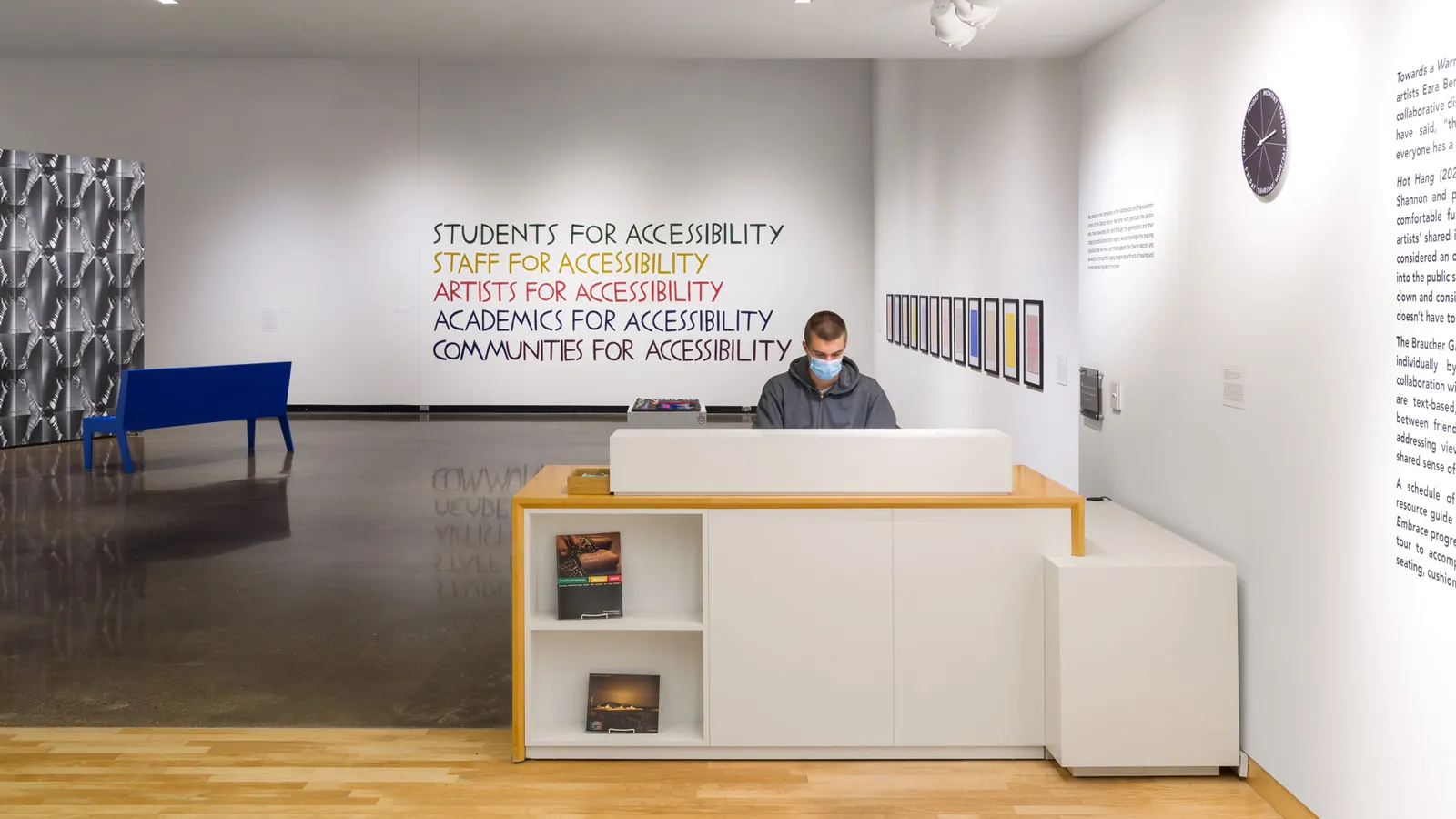
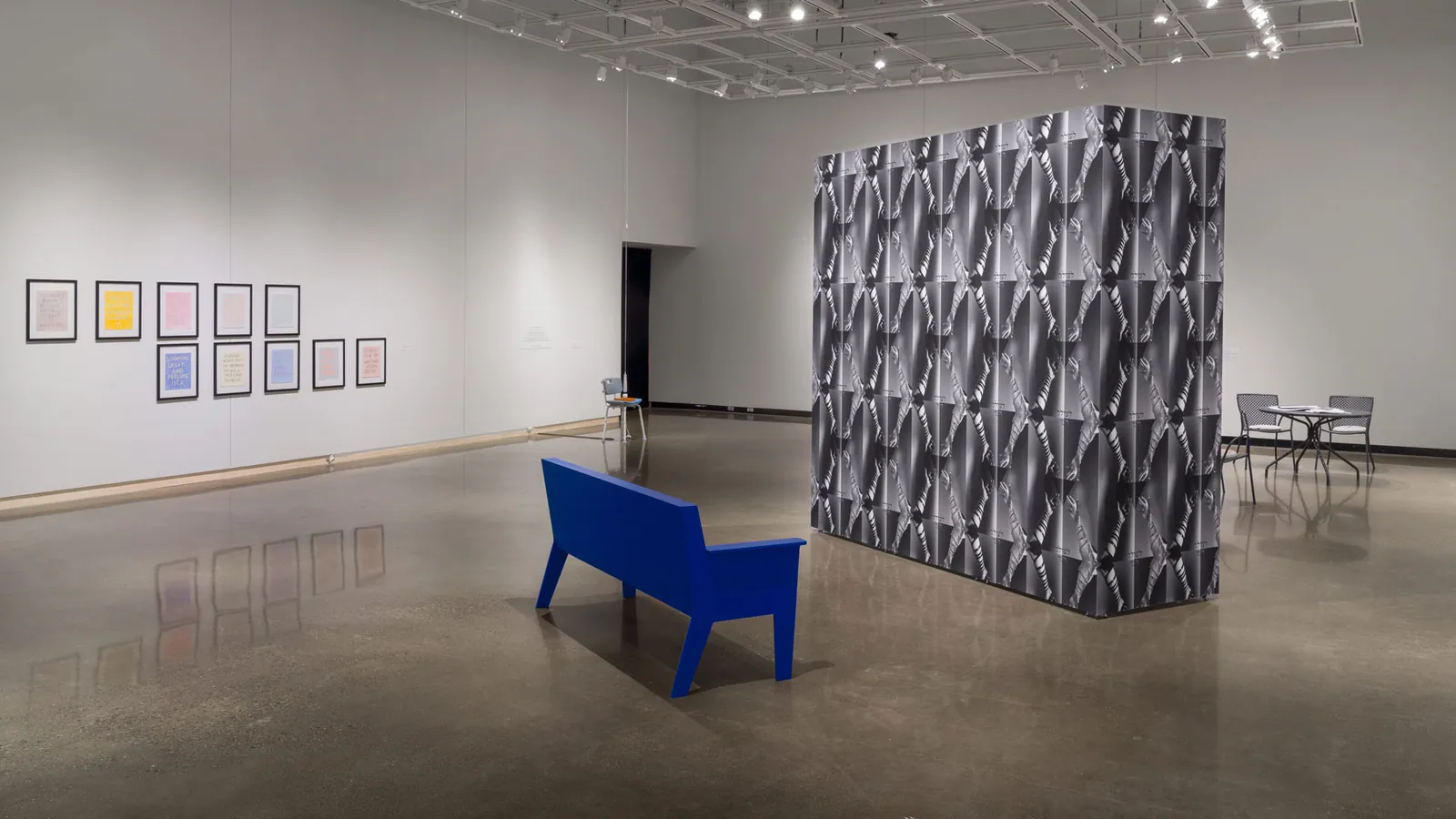
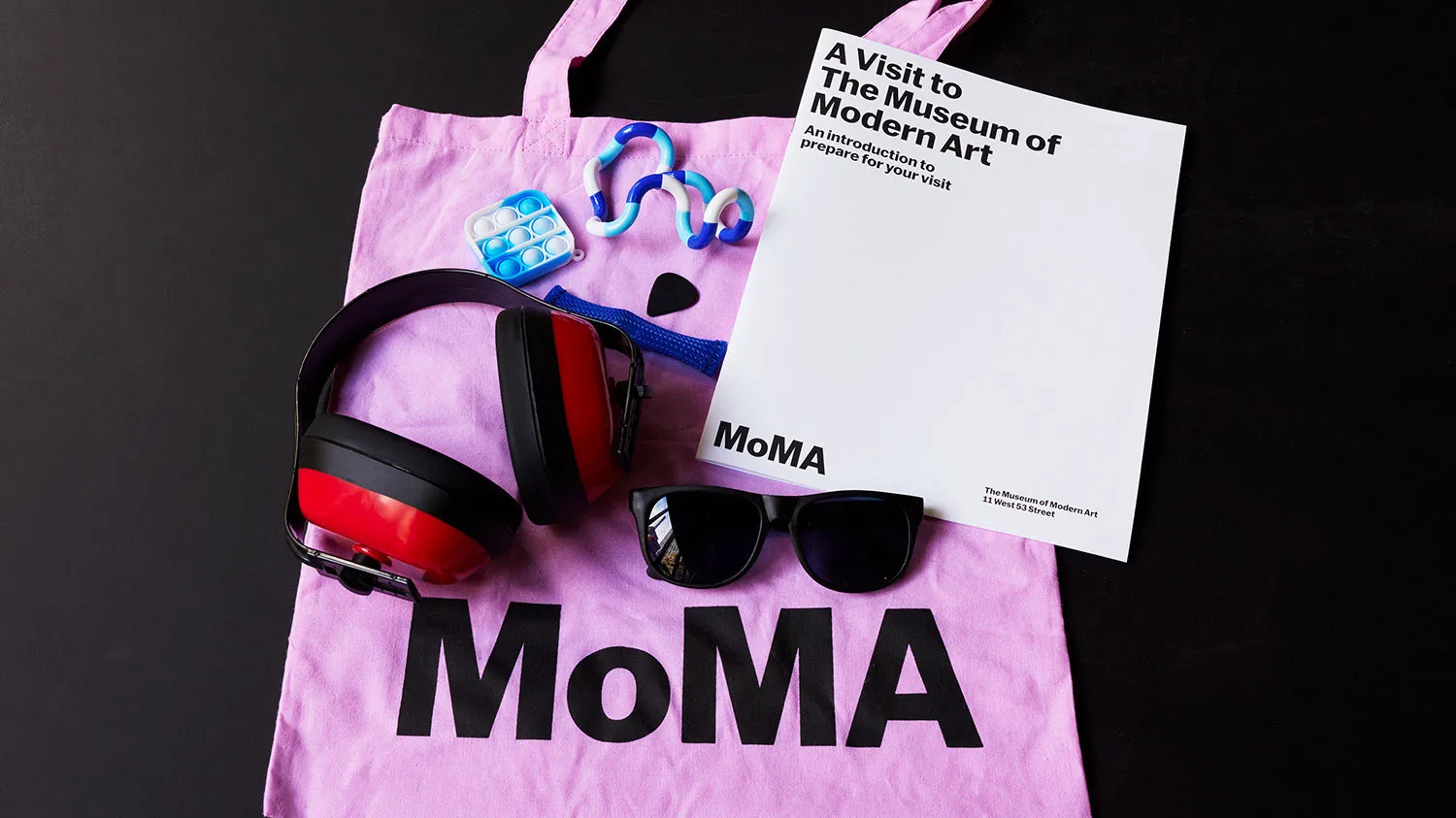
The images on this page show international examples of museum accessibility, including MoMA in New York; they do not document the project for Bologna.
The case: guidelines for the Bologna Civic Museums
The work for the Bologna Civic Museums was carried out by Design for All Italia in collaboration with the Department of Architecture of the University of Ferrara. It did not address a single museum, but a system: 12 museum sites within the same civic system, differing in collections, buildings and audiences. It involved end users with disabilities, accessibility experts, cultural professionals and public decision-makers.
The process in figures:
- 3 training and initial listening sessions;
- more than 80 anonymous questionnaires, for in-house staff, external collaborators and volunteers;
- more than 10 Co-Design workshops, with more than 150 participants;
- more than 1,200 requirements collected, traced back to some 400 distinct needs and catalogued;
- 6 thematic and operational areas, which gave structure to the discussion;
- more than 15 main documents and technical annexes.
The outcomes are the design guidelines and the Plans for the Elimination of Architectural Barriers (PEBA), drawn up in accordance with the Ministry’s directives for cultural venues. The full case study (opens in a new tab) is published by Design for All Italia. Why the plan came last, after training, observation and listening, is explained by Francesco Rodighiero in an interview with MuseoOggi, which we read in Bologna Civic Museums: the need before the building.
The process, phase by phase
The process was not a linear sequence: each step could call the previous ones into question. It opened with the involvement of people, through training and initial listening to those who work in the museums and those who visit them. This was followed by data collection, with questionnaires and qualitative and quantitative surveys, and by on-site analysis, with inspections and observation. At its centre were the Co-Design workshops, in which needs were interpreted, classified and prioritised.
From this came the requirements and the meta-design solutions (solutions defined upstream, as a framework for the individual interventions), illustrative concepts for exhibition design and communication where needed, the design guidelines, conceived as a guiding, process-based tool, and the PEBA plans, culminating in a body of documentation of about 550 pages.
What we learned: from Co-Design to inclusive governance
The deepest lesson of this experience is the recognition that accessibility is not a solution but a process: one that starts by actually listening to people, moves through ethnographic research and takes shape in concrete tools (requirements, guidelines, plans) that guide every phase of the museum system, from pre-visit communication to the experience in the galleries, through to staff training and the review of management practices.
We came to understand that there is no accessibility without organisational change. Accessibility is not the end product of a project but the ground it grows from. It is a criterion that runs through space, time, language and the relationship with the public. It is governance. It is culture.
Towards the museum as an inclusive platform
The accessible museum, in its most advanced form, becomes an adaptive cultural platform, able to generate relationships and meaning even for those who have historically been excluded from cultural participation. Within this framework, Design for All is the approach that turns inclusion into a design, operational and communication tool.
The guidelines we drew up set out solutions that go well beyond the regulations:
- models of progressive Co-Design with diverse user groups;
- multimodal narrative interfaces adapted to visitors’ sensory and cognitive profiles;
- flexible exhibition formats, able to evolve over time on the basis of the feedback gathered;
- qualitative and quantitative indicators for monitoring perceived accessibility;
- cross-media communication strategies designed to be fully usable at the pre-visit stage as well.
What the legislation requires today
The European Accessibility Act (Directive (EU) 2019/882, transposed in Italy by Legislative Decree 82/2022) has applied since 28 June 2025. For a museum it mainly concerns certain digital services for the public, such as online ticket sales; for public museums, websites and applications are already covered by Legge 4/2004 (the Italian law on the accessibility of IT tools). It does not replace the rules on architectural barriers or the PEBA plans.
2026 also sees the close of the investment under Italy’s National Recovery and Resilience Plan (PNRR) for removing physical and cognitive barriers in museums, libraries and archives (M1C3, Investment 1.2: €300 million, with the target of certifying by the second quarter of 2026 the completion of works in at least 617 museums and cultural venues). When the building works end, accessibility starts to depend on communication, management and training: the part that no building site can solve.
Cultural institutions are called on to make a choice: to limit themselves to minimum compliance, or to turn accessibility into a strategic lever.
Where to begin
There is no sequence that works for every museum, but some choices come before others:
- involve, from the outset, through listening and Co-Design, the people who experience the museum or would like to: visitors with and without disabilities, staff, volunteers;
- assess the museum in person, through site visits that look at routes, communication and services together;
- translate needs into criteria and guidelines that guide every subsequent intervention, from exhibition design to the website, anticipating that spaces will change over time (we have written about this in Design challenges and flexibility);
- train staff and monitor over time, going back to people to understand what works.
Each step can call the previous one into question: it is a process, not a checklist. Through years of research and projects in this field, our studio can now offer a vision and a process that combine scientific rigour, design empathy and operational feasibility.
To find out more about our approach: The Design for All process. To get started: Design for All and Inclusive Design consultancy and Services. Further solutions are collected in our case studies.
References and useful resources
- Musei Civici di Bologna: un grande sistema museale ripensato attraverso il processo Design for All – Design for All Italia (opens in a new tab): the official case study of the project.
- AAATE 2025 – Museums for All (opens in a new tab): the session of the European AAATE 2025 conference devoted to Co-Design, inclusion and emerging technologies in museums.
- Balkan Museum Network Report (opens in a new tab): the report “Transforming access – Inclusive practices in museums”, published by the Network of European Museum Organisations (NEMO), with experiences of inclusion in museums in the Balkans.
- Directive (EU) 2019/882 on the accessibility requirements for products and services – EUR-Lex (opens in a new tab)
- Decreto legislativo 27 maggio 2022, n. 82 – Normattiva (opens in a new tab)
- Legge 9 gennaio 2004, n. 4 – Normattiva (opens in a new tab)
- PNRR, Cultura: investimento M1C3 1.2 – Camera dei deputati (opens in a new tab)
In our projects
Read next
- InterviewBologna Civic Museums: the need before the buildingWhy should an accessibility plan start from needs rather than from the building?
- EssayDesign challenges and flexibility: reflections on designing for accessibilityWhy is flexibility the real challenge of accessible design?
- EssayCultural accessibility: visible and invisible barriers in cultural venuesWhich barriers, visible and invisible, keep people away from cultural venues?
A museum for all its audiences
Museums, libraries, archives: together with those who run them and those who visit them, we build a process that runs from listening to guidelines.