InsightsStandards and valueEssay
Is complying with UNI/PdR 183:2025 enough to design appliances everyone can use?
UNI/PdR 183:2025: the standard measures, design opens up
UNI/PdR 183:2025 brings the Design for All approach to home appliances, service devices and home automation, and it is a useful tool for measuring. Read as a finishing line, it produces products that all look alike and accessibility added afterwards: design begins where the standard stops.
· updated 8 min read
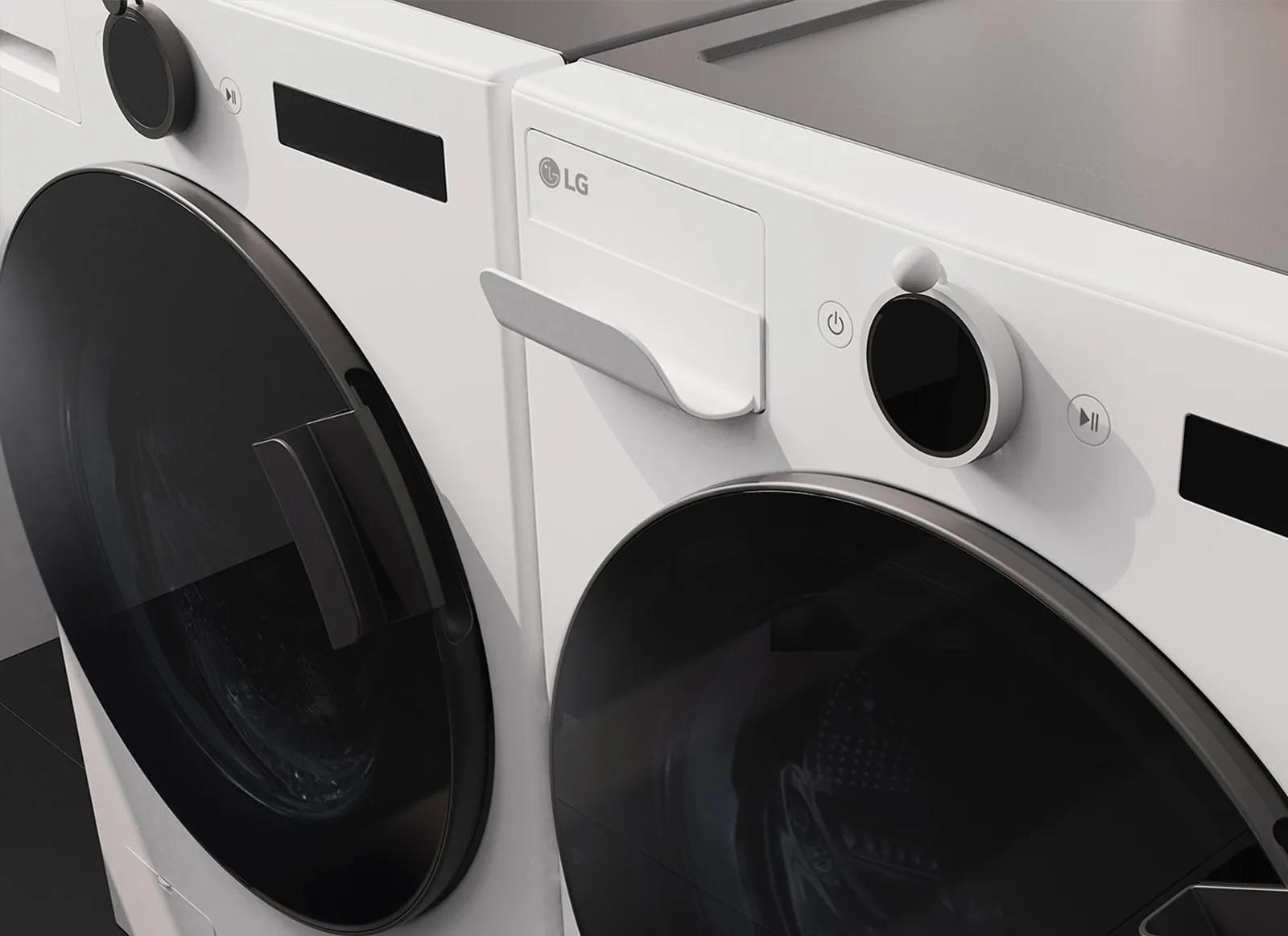
On 6 November 2025 UNI, the Italian standards body, published UNI/PdR 183:2025, a reference practice (prassi di riferimento) devoted to equipment and services in domestic, shared and public environments. Its subtitle states the intention: to define requirements for accessibility and safe usability according to the Design for All approach of UNI EN 17161. A reference practice is a voluntary technical document, drafted more quickly than a standard by a small group of experts and stakeholders. The document can be downloaded free of charge from UNIstore (opens in a new tab), after registration.
It is a good document, and that is exactly why it should be read with care. A well-made practice tends to become the finishing line instead of the starting point: companies apply it, products comply with it, and they all end up looking alike. For those who design products, the right question is not how to comply, but what compliance leaves out.
What it covers
The scope is broad and everyday:
- small and large appliances for cooking, cleaning, hygiene and personal care;
- the devices through which people access services: entertainment and communication, information and wayfinding, banking and administrative services, mobility, healthcare and social care settings;
- alarm systems and home automation.
It is ground we know well: with Design for All Italia we worked on the user interface of Linea 5000, BTicino’s video door-entry panel. A washing machine with touch controls, an oven run from an app, a hob with no tactile references: these are technologically advanced products that, for many people, become harder to use than the ones they replace.
How the practice works: breaking use down
The most interesting part of the document is the way it approaches the problem. The interaction between the person and the appliance is broken down into elementary and complex functions, and each function is described through the actions it requires and the feedback it returns: what the person has to do, and what the appliance communicates in response.

For each function the practice considers different abilities: sight, hearing, dexterity, touch, manipulation, strength, mobility and cognition. The result is a map that shows where a barrier arises. The practice came out of a working group led by UNI with INVAT, the national institute for the evaluation of assistive products and technologies set up by the Italian Union of the Blind and Partially Sighted, together with academic experts and manufacturers, and its first-hand knowledge of how objects are actually used shows.
But a map describes territory that has already been travelled. It breaks down the use of appliances that exist, with the abilities that can be listed. What does not yet exist, a new gesture, a different way of living in the kitchen, a person the grid does not anticipate, is left out by definition.
Where the law does not reach
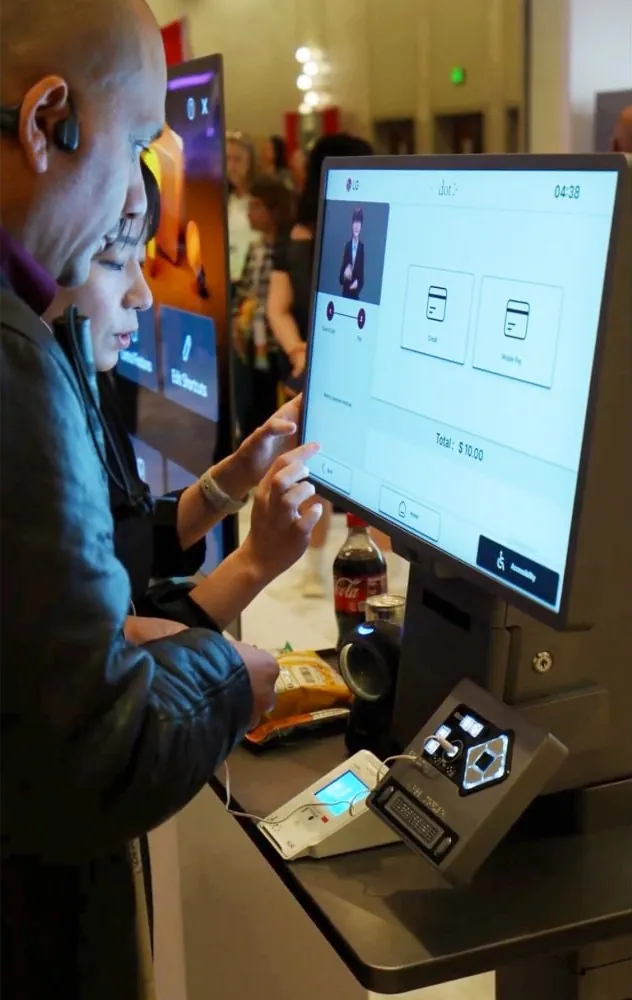
The European Accessibility Act, in force since 28 June 2025, covers a specific list of products and services: computers and smartphones, payment terminals, ATMs, ticketing machines, e-commerce, banking services, transport. Home appliances and the home are left out. UNI/PdR 183:2025 occupies this uncovered space, on a voluntary basis.
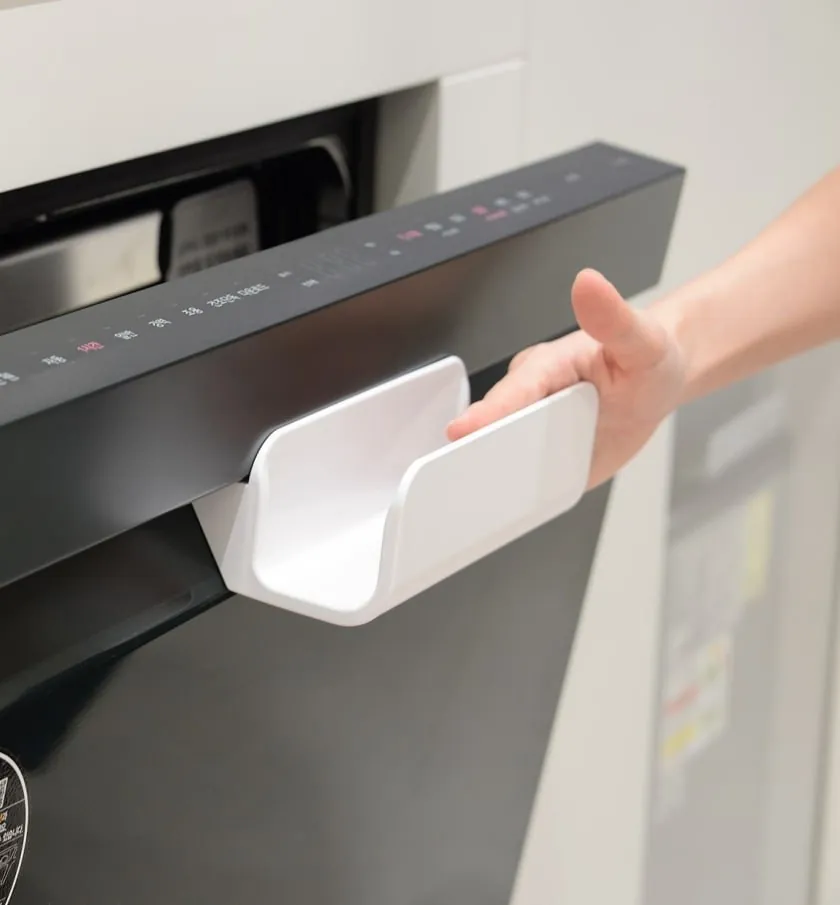
But let us look at what the market offers in that space today. The most visible answers are accessories fitted afterwards: a handle on the door, a grip on the panel, a rotating shelf. They are useful, and those who developed them worked seriously. But they tell a precise story: the product stays as it always was, and accessibility is added, in a kit, for those who need it. That is exactly what the Design for All approach asks us to move beyond.
The risk of uniformity
Our work starts from human diversity, of which disability is one component among others. That is why we read every standard with the same attitude: a valuable parameter for measuring, to be used with caution, never the purpose of the design. A standard guarantees a minimum, and that minimum is the same for every competitor: for this reason it cannot be what sets a product apart.
When compliance becomes the goal, three things happen, and we already see them in products:
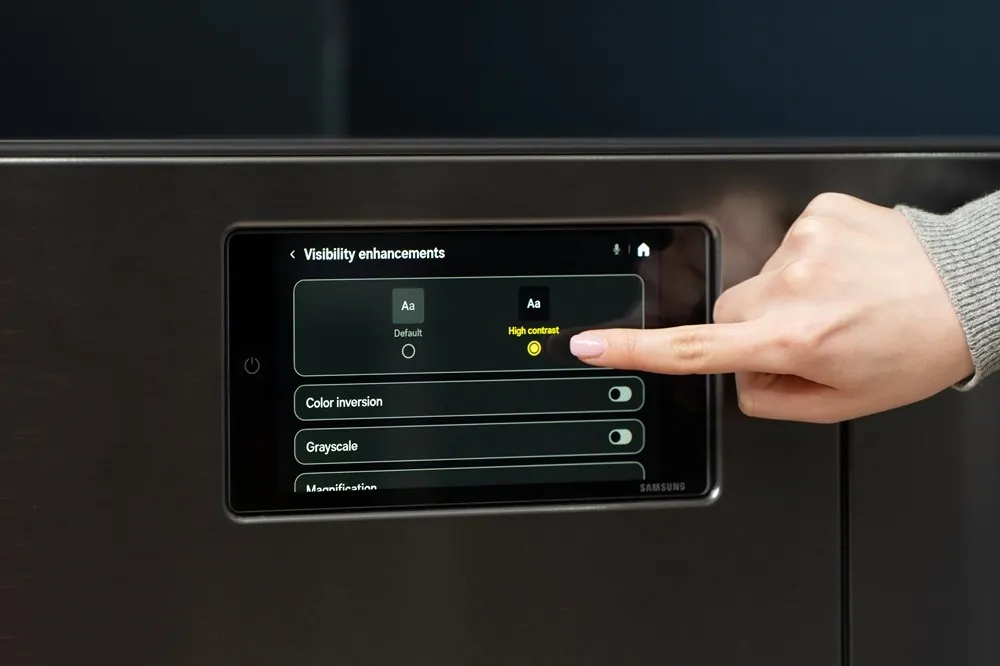
- products look alike. If everyone answers the same list of requirements, everyone reaches the same solutions: the same accessibility menu, the same high-contrast switch, the same add-on handle. The standard does not distinguish between an object that passes the check and an object that people choose;
- accessibility becomes a mode. A setting to switch on, a separate button, a dedicated path: the person first has to find it, then declare themselves different in order to use it. It is the opposite of a product that works for everyone from the very first gesture;
- the standard ages before the product does. Reference practices are reassessed after two years, the 2019 EN 17161 itself is already under revision, and meanwhile appliance technology and the society that uses it change faster. A product designed today on EN 17161:2019 will be assessed tomorrow against a different standard.
Then there is what no grid can contain: desire, trust, the pleasure of using an object, the needs people cannot yet put into words. These only emerge through involving people, when you work with those who will use the product from the very beginning.
The European standard is changing
The practice’s own reference is under revision too. CEN put the draft prEN 17161, Design for All approach – Managing accessibility of products and services, to public enquiry, closed in December 2025; it is intended to replace EN 17161:2019. The draft aligns the standard with management systems, starting from ISO 9001 and the plan-do-check-act cycle, adds an annex on service requirements and states an explicit relationship with the requirements of the European Accessibility Act.
It is a step forward: the Design for All approach becomes part of the way an organisation manages quality. But it carries a risk familiar to anyone who knows management systems: certifying that the process was followed does not say whether the product is good. You can have an impeccable procedure and an object nobody wants to use.
What the standard cannot give
A standard answers questions that have already been asked. Design is there to ask new ones: who is excluded from this product, and why? Which right is missing for the people who use it every day? What would change if we conceived it starting from those who struggle most today?
For us, the work begins with an analysis of society, of difficulties and of missing rights, and continues in Co-Design sessions built around concrete tools (objects, models, trials of use), from which even the needs nobody has written down emerge. Standards enter the project as parameters for verification, not as a brief.
Linea 5000, BTicino's video door entry panel, shows this in practice. Four Co-Design workshops with eighteen people (older people over seventy, people with visual and motor disabilities, installers and maintenance technicians) and interaction tests with older people and children brought out the needs from which BTicino chose the priority functions: a high-contrast display with adjustable brightness, three ways to search for a name, an alternative to the touchscreen with a badge, a physical keypad or a code, names that can be anonymised, and voice feedback that guides use. The product received the iF Design Award, the German Brand Award and the Archiproducts Design Award 2025, is in the ADI Design Index 2025 and was among the candidates for the 29th Compasso d'Oro: awards that recognise BTicino, of which the Design for All process is one component.

For a company, this means using UNI/PdR 183:2025 for what it does well, namely checking the product range and finding barriers before customers do, and entrusting to the Design for All process what the practice cannot do: setting a product apart from the others, making it desirable for very different people, making it last longer than the standard that describes it today.
Frequently asked questions
What is UNI/PdR 183:2025?
It is a reference practice published by UNI on 6 November 2025. It provides guidelines for defining requirements for the accessibility and safe usability of equipment and services in domestic, shared and public environments, according to the Design for All approach of UNI EN 17161.
Is UNI/PdR 183:2025 mandatory?
No. It is a voluntary, pre-normative document. It also covers products, such as home appliances, that the European Accessibility Act does not include.
Is complying with UNI/PdR 183:2025 enough for an accessible product?
No. The practice helps to check whether an appliance’s functions can be reached by people with different abilities. It does not say whether the product is desirable, whether people choose it and use it with confidence, nor does it anticipate the needs that only emerge when designing with the people who will use it.
How does it relate to UNI EN 17161?
UNI EN 17161 describes how an organisation applies the Design for All approach, without going into design specifications. The reference practice translates it into operational guidance for a specific family of products and services.
Sources and images
- UNI, Accessibilità e usabilità di apparecchiature e servizi (opens in a new tab) (Accessibility and usability of equipment and services), presentation of the reference practice.
- Politecnico di Milano, record of UNI/PdR 183:2025 in the IRIS repository (opens in a new tab), with the list of authors.
- CEN, draft standard prEN 17161 (opens in a new tab), status checked on 21 November 2026.
- BTicino, Linea 5000 with Netatmo brochure, in Italian (opens in a new tab).
- Images: cover, dishwasher and kiosk by LG Electronics (opens in a new tab); refrigerator screen by Samsung Electronics (opens in a new tab); Linea 5000 by BTicino.
Text by Francesco Rodighiero, Rodighiero.Design for All
In our projects
Read next
- GuideEuropean Accessibility Act: what really changes for product design companiesWhat does the European Accessibility Act really ask of those who design products?
- GuideThe ROI of accessibility: the economic dividend of Design for AllWhat is the return on investing in accessibility?
- GuideDesign for All and Italy’s Recovery Plan (PNRR): what remains for accessibilityWhat has the PNRR left behind for accessibility?
A product everyone can use is designed from the start
We support companies and designers beyond compliance: we use standards as parameters and build with people the answers that standards cannot give.